Ultrasonic Welding Machines: A Complete Guide to Basics and Working Principles
Ultrasonic welding machines have become an essential part of modern manufacturing, especially where precision and efficiency are critical.
These machines are widely used as a plastic welding machine solution in industries such as automotive, medical, packaging, and electronics. By using high-frequency sound waves, they create strong and clean joints without the need for adhesives or external heat sources.
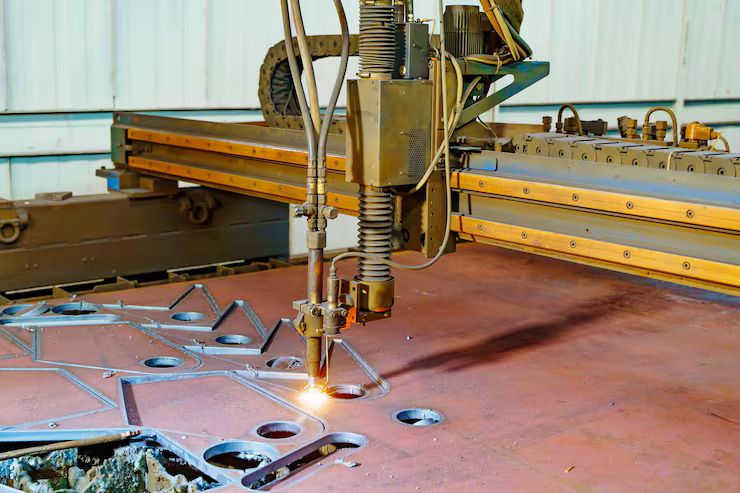
This guide explains how ultrasonic welding machines work, their core components, benefits, and applications. It is designed to give a clear and practical understanding of ultrasonic welders for beginners and professionals alike.
What Is an Ultrasonic Welding Machine?
An ultrasonic welding machine is a device that joins materials using high-frequency ultrasonic vibrations. These vibrations generate localized heat through friction, allowing materials to bond at a molecular level.
Unlike traditional welding methods, an ultrasonic welder does not rely on flames, sparks, or external heating elements. Instead, it uses mechanical energy converted into ultrasonic energy, making it ideal for delicate and precise operations.
Common materials used include:
- Thermoplastics such as ABS, polypropylene, and polycarbonate
- Thin metals like aluminum and copper
- Composite materials in specialized applications
This method is especially popular as a plastic welding machine because it produces clean, fast, and reliable joints.
Key Components of Ultrasonic Welding Machines
Understanding the main parts of ultrasonic welding machines helps explain how the process works efficiently.
Power Supply
The power supply converts standard electrical energy into high-frequency electrical signals. These signals typically operate in the range of 20 kHz to 40 kHz.
Converter (Transducer)
The converter transforms electrical energy into mechanical vibrations. It uses piezoelectric elements that expand and contract rapidly when exposed to electrical signals.
Booster
The booster modifies the amplitude of vibrations. It can either increase or decrease the vibration intensity depending on the application.
Horn (Sonotrode)
The horn delivers ultrasonic vibrations directly to the material. It is designed based on the shape and size of the components being welded.
Anvil or Fixture
This component holds the material in place during welding. Proper alignment ensures consistent and high-quality joints.
Working Principle of Ultrasonic Welders
The working principle of an ultrasonic welder is based on the conversion of electrical energy into mechanical vibrations and then into heat energy.
Step-by-Step Process
- The power supply generates high-frequency electrical energy
- The converter transforms it into mechanical vibrations
- The booster adjusts the vibration amplitude
- The horn applies vibrations to the material surface
- Friction between surfaces generates heat
- Materials melt slightly and fuse together under pressure
- The joint solidifies quickly after vibrations stop
This process occurs in a matter of seconds, making ultrasonic welding machines highly efficient.
Types of Ultrasonic Welding Machines
Different types of ultrasonic welding machines are designed to meet specific industrial requirements.
Plastic Ultrasonic Welding Machines
These are the most common and are used for joining thermoplastic components. They are widely applied in packaging, electronics, and automotive parts.
Metal Ultrasonic Welding Machines
These machines are used for welding thin metal sheets or wires. They are often found in battery manufacturing and electrical connections.
Rotary Ultrasonic Welding Machines
Rotary systems are used for continuous welding applications. They are suitable for high-speed production lines.
Spot Ultrasonic Welding Machines
These machines focus on small, localized weld areas and are ideal for intricate designs or repairs.
Advantages of Using Ultrasonic Welding Machines
Ultrasonic welding machines offer several advantages over traditional welding methods.
- Fast processing time with minimal cycle duration
- No need for adhesives or additional materials
- Clean and precise welds with minimal waste
- Energy-efficient compared to thermal welding methods
- Suitable for delicate and small components
- Environmentally friendly with no harmful emissions
These benefits make ultrasonic welders a preferred choice for modern manufacturing environments.
Applications of Ultrasonic Welding Machines
Ultrasonic welding machines are used across a wide range of industries due to their versatility and efficiency.
Automotive Industry
They are used for assembling dashboards, door panels, and electronic components. The process ensures strong and vibration-resistant joints.
Medical Industry
Ultrasonic welding is ideal for medical devices such as syringes, filters, and masks. It provides sterile and contamination-free bonding.
Electronics Industry
Used for wiring, connectors, and circuit components, ultrasonic welders ensure precise and reliable electrical connections.
Packaging Industry
They are commonly used for sealing plastic packaging, ensuring airtight and tamper-proof results.
Textile Industry
Ultrasonic welding machines can bond synthetic fabrics without stitching, creating seamless and durable products.
Comparison with Other Welding Methods
Below is a simple comparison to understand how ultrasonic welding machines differ from other methods:
| Feature | Ultrasonic Welding | Heat Welding | Adhesive Bonding |
|---|---|---|---|
| Speed | Very fast | Moderate | Slow |
| Cleanliness | High | Medium | Low |
| Additional Materials | Not required | Not required | Required |
| Energy Consumption | Low | High | Medium |
| Precision | High | Medium | Low |
| Environmental Impact | Low | Medium | High |
This comparison highlights why ultrasonic welding machines are increasingly preferred in many industries.
Factors Affecting Welding Quality
Several factors influence the quality of welds produced by an ultrasonic welder.
Material Properties
Different plastics and metals respond differently to ultrasonic vibrations. Proper material selection is essential.
Amplitude and Pressure
Correct vibration amplitude and applied pressure ensure proper bonding without damaging the material.
Welding Time
Too much or too little welding time can affect the strength of the joint.
Tool Design
The design of the horn and fixture plays a critical role in achieving consistent results.
Maintenance and Safety Tips
Proper maintenance ensures long-lasting performance of ultrasonic welding machines.
- Regularly inspect the horn and booster for wear
- Keep components clean and free from debris
- Check electrical connections periodically
- Calibrate the machine for consistent output
- Follow manufacturer guidelines for operation
Safety practices are equally important:
- Avoid direct contact with vibrating components
- Use protective equipment when necessary
- Ensure proper training before operating the machine
Future Trends in Ultrasonic Welding Technology
Ultrasonic welding machines continue to evolve with advancements in technology. Automation and smart systems are becoming more common, allowing better control and monitoring of the welding process.
Key trends include:
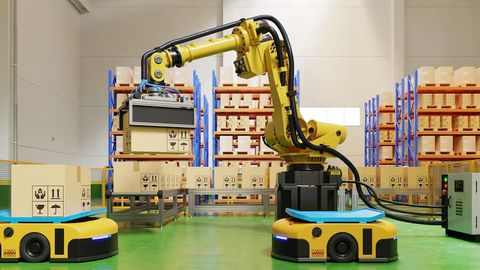
- Integration with robotics for automated production
- Improved precision with digital control systems
- Enhanced energy efficiency
- Expansion into new materials and applications
These developments are expected to further increase the adoption of ultrasonic welders across industries.
Conclusion
Ultrasonic welding machines represent a modern and efficient solution for joining materials, especially in applications requiring precision and cleanliness. As a plastic welding machine, they offer unmatched speed, reliability, and environmental benefits.
By understanding their components, working principles, and applications, businesses and professionals can make better use of ultrasonic welders in their operations. With ongoing technological advancements, these machines will continue to play a key role in the future of manufacturing.