Mezzanine Flooring Guide: Practical Overview, Design Basics, and Key Insights
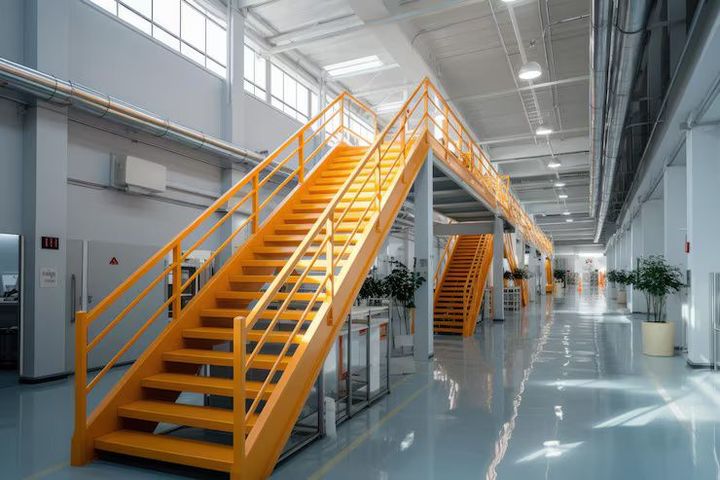
Mezzanine flooring refers to an intermediate floor installed between the main floors of a building. It is typically a semi-permanent structure designed to maximize vertical space without expanding the building footprint. These floors are commonly used in warehouses, offices, retail stores, and industrial facilities.
The concept exists because many buildings have unused vertical height. Instead of relocating or expanding outward, mezzanine flooring allows organizations to utilize overhead space efficiently. It provides an additional level for storage, workspace, or operations while maintaining structural flexibility.
In modern architecture and industrial planning, mezzanine flooring is considered a practical solution for optimizing space usage without major construction changes. It bridges the gap between temporary storage solutions and permanent structural modifications.
Why Mezzanine Flooring Matters Today
Mezzanine flooring has become increasingly relevant due to growing space constraints and rising urban density. Businesses and property owners are seeking efficient ways to use available space without undergoing major renovations.
Key reasons why mezzanine flooring is important today:
- It helps maximize vertical space in buildings with high ceilings
- It supports operational efficiency in warehouses and factories
- It reduces the need for relocation or expansion
- It allows flexible space planning for changing needs
- It improves organization and workflow management
Industries such as logistics, manufacturing, and retail heavily rely on mezzanine flooring to handle increasing inventory and operational demands. With the rise of e-commerce and supply chain expansion, efficient storage systems are more critical than ever.
Additionally, modern office environments are using mezzanine levels to create collaborative spaces, meeting areas, or additional work zones without altering the building’s core structure.
Recent Updates and Trends in Mezzanine Flooring
Over the past year (2025–2026), mezzanine flooring has seen several advancements driven by technology and sustainability goals.
Notable trends and updates:
- 2025: Increased use of modular mezzanine systems that allow easy reconfiguration
- 2025: Adoption of lightweight steel and composite materials for improved durability
- Early 2026: Integration of smart warehouse systems, including automation compatibility
- Growing focus on eco-friendly materials and energy-efficient designs
- Enhanced safety features such as anti-slip surfaces and improved load-bearing calculations
Another emerging trend is the integration of mezzanine flooring with automation technologies, including conveyor systems and robotic storage solutions. This reflects the broader shift toward Industry 4.0 and smart logistics.
Additionally, design aesthetics have improved, making mezzanine flooring suitable not only for industrial use but also for modern commercial and office environments.
Laws and Policies Affecting Mezzanine Flooring
Mezzanine flooring is subject to various building regulations and safety standards, which vary by country and region. These regulations ensure structural safety, fire compliance, and proper usage.
Common regulatory considerations include:
- Load-bearing capacity standards
- Fire safety and emergency exit requirements
- Building height and zoning restrictions
- Accessibility guidelines
- Structural approval and inspection requirements
In countries like India, mezzanine structures are governed by local municipal building codes and the National Building Code (NBC). These rules define how mezzanine floors should be designed, including height limits and permissible usage.
Compliance with safety regulations is essential to ensure that the structure can handle intended loads and provide safe access for users. Non-compliance may lead to legal issues or safety risks.
Tools and Resources for Understanding Mezzanine Flooring
There are several tools and resources available to help individuals and organizations plan and understand mezzanine flooring systems.
Design and Planning Tools
- 3D modeling software for layout visualization
- Structural design calculators for load estimation
- CAD tools for detailed floor planning
Educational Resources
- Engineering and architecture guides
- Industry publications on warehouse design
- Government building code documentation
Digital Platforms and Websites
- Online structural design references
- Construction standards databases
- Safety compliance checklists
Templates and Frameworks
- Floor layout templates
- Load calculation worksheets
- Safety inspection checklists
These tools help ensure that mezzanine flooring is designed efficiently and meets all necessary requirements.
Mezzanine Flooring Features Overview
| Feature | Description |
|---|---|
| Structure Type | Steel or composite frameworks |
| Installation Style | Semi-permanent or modular |
| Load Capacity | Varies based on design and material |
| Usage Areas | Warehouses, offices, retail, industrial spaces |
| Flexibility | Can be expanded or reconfigured |
| Safety Features | Guardrails, staircases, anti-slip surfaces |
Frequently Asked Questions
What is the main purpose of mezzanine flooring?
The main purpose is to utilize unused vertical space in a building, creating additional usable areas without expanding the building footprint.
Is mezzanine flooring considered a permanent structure?
It is generally considered semi-permanent. Many systems are modular and can be modified or relocated as needed.
What materials are commonly used in mezzanine flooring?
Steel is the most common material due to its strength and durability. Other materials may include wood or composite panels depending on the application.
Are there safety requirements for mezzanine floors?
Yes, safety requirements typically include load limits, guardrails, proper access points, and compliance with fire safety regulations.
Where is mezzanine flooring most commonly used?
It is widely used in warehouses, factories, retail spaces, and offices where maximizing vertical space is beneficial.
Conclusion
Mezzanine flooring is a practical and efficient solution for maximizing space in modern buildings. By utilizing vertical height, it allows organizations and individuals to expand their usable area without major structural changes.
Its importance continues to grow in industries facing space limitations and operational demands. With recent advancements in materials, modular designs, and automation compatibility, mezzanine flooring has evolved into a versatile and adaptable solution.
Understanding the regulations, tools, and design considerations associated with mezzanine flooring is essential for safe and effective implementation. As urban spaces become more constrained, this approach offers a smart way to optimize existing infrastructure while maintaining flexibility for future needs.