Industrial Machinery Tools Guide: Basics, Types, and Practical Applications Explained
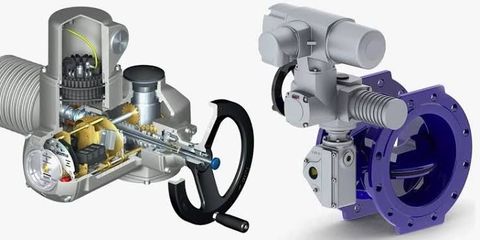
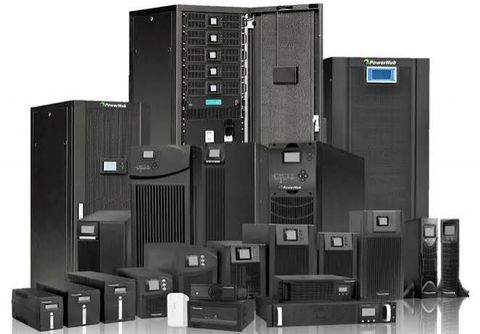
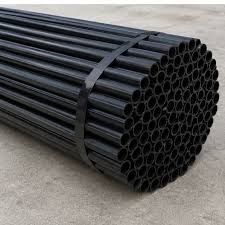
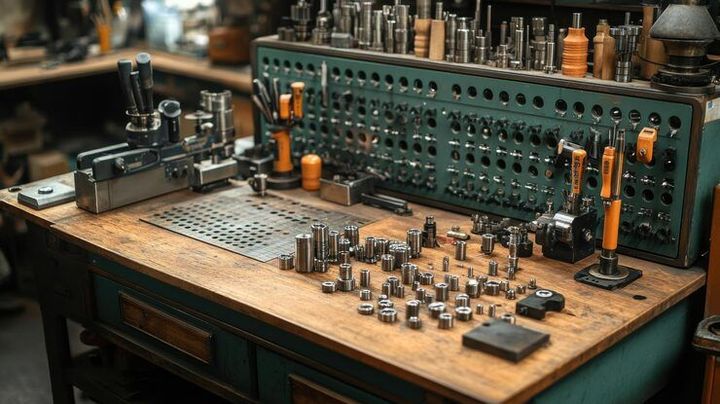
Industrial machinery tools refer to equipment and mechanical systems used in manufacturing, construction, and production environments.
These tools are designed to shape, cut, drill, assemble, and process materials such as metal, wood, plastic, and composites.
The development of industrial machinery tools dates back to the Industrial Revolution, when mechanization replaced manual labor to improve productivity and consistency. Today, these tools include everything from basic hand-operated machines to advanced computer-controlled systems.
Modern industries depend on machinery tools to maintain precision, efficiency, and scalability. From automotive factories to electronics manufacturing plants, these tools form the backbone of industrial operations.
 Importance
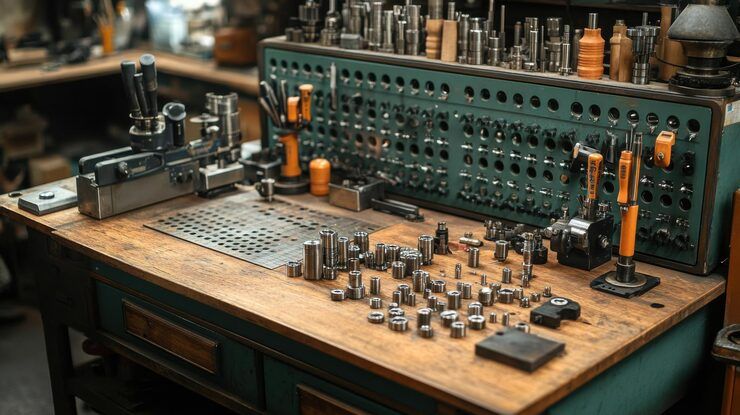
Industrial machinery tools play a critical role in global production systems. They affect industries such as manufacturing, construction, aerospace, and energy.
These tools matter today because industries are shifting toward automation, precision engineering, and high-efficiency production processes. Without machinery tools, mass production would not be possible.
They help solve key challenges like:
- Reducing manual labor and human error
- Increasing production speed and output
- Ensuring consistent quality and precision
- Supporting large-scale industrial operations
Industries and professionals who rely on machinery tools include:
- Engineers and technicians
- Factory operators
- Construction planners
- Industrial designers
As technology evolves, machinery tools are becoming smarter, safer, and more efficient, making them essential in modern industrial ecosystems.
Recent Updates
In the past year (2024–2025), several notable trends have shaped industrial machinery tools:
Automation and Smart Manufacturing
Industries are increasingly adopting CNC (Computer Numerical Control) machines and AI-integrated systems. These tools allow automated production with minimal human intervention.
Integration of IoT (Internet of Things)
Machines are now connected through IoT systems, enabling real-time monitoring, predictive maintenance, and performance tracking.
Sustainability Focus
Manufacturers are developing energy-efficient machines that reduce power consumption and waste generation. This aligns with global sustainability goals.
Robotics Expansion
Robotic arms and automated systems are now widely used in assembly lines, especially in automotive and electronics industries.
Digital Twin Technology (2025 Trend)
Digital twins—virtual replicas of machines—are being used to simulate operations and optimize performance before real-world implementation.
These updates show a clear transition toward intelligent and data-driven industrial systems.
Laws or Policies
Industrial machinery tools are regulated by various safety and operational standards to ensure worker safety and environmental protection.
Safety Regulations
Governments enforce strict workplace safety standards. For example:
- Machinery must include protective guards and emergency stop systems
- Operators must follow safety training protocols
- Regular inspections are required to prevent accidents
Environmental Policies
Industrial tools must comply with environmental guidelines such as:
- Emission control standards
- Energy efficiency requirements
- Waste management regulations
Certification Standards
Machinery tools often require certifications such as:
- ISO standards for quality and safety
- CE marking (in Europe) for compliance
- BIS standards in India for industrial equipment
Government Programs
Many countries promote advanced manufacturing through initiatives like:
- “Make in India” (India)
- Industry 4.0 programs (global)
- Smart manufacturing incentives
These policies ensure that machinery tools are safe, efficient, and environmentally responsible.
Tools and Resources
Several tools and resources help individuals and organizations understand and work with industrial machinery tools effectively.
Software Tools
- CAD (Computer-Aided Design) software for designing machine components
- CAM (Computer-Aided Manufacturing) systems for production planning
- Simulation tools for testing machine performance
Educational Platforms
- Online learning platforms offering courses on machining and automation
- Technical training institutes for hands-on experience
Maintenance Tools
- Predictive maintenance software
- Machine monitoring dashboards
- Diagnostic tools for fault detection
Useful Resources
- Industry reports and research publications
- Government guidelines on machinery safety
- Technical manuals and user documentation
Industrial Machinery Tools Comparison Table
| Tool Type | Main Function | Common Use Industry | Automation Level |
|---|---|---|---|
| Lathe Machine | Rotating and shaping material | Metalworking | Medium |
| Milling Machine | Cutting and drilling | Manufacturing | High |
| CNC Machine | Automated precision machining | Automotive, aerospace | Very High |
| Drilling Machine | Creating holes | Construction, fabrication | Low to Medium |
| Grinding Machine | Surface finishing | Engineering | Medium |
This table highlights how different tools serve specific industrial purposes.
FAQs
What are industrial machinery tools used for?
Industrial machinery tools are used to shape, cut, assemble, and process materials in manufacturing and construction industries.
What is the difference between manual and automated machinery tools?
Manual tools require human operation, while automated tools use computer systems or robotics to perform tasks with minimal human input.
Why is CNC technology important in modern machinery tools?
CNC technology allows precise, repeatable, and automated operations, improving efficiency and reducing errors in production.
How do industries ensure safety when using machinery tools?
Safety is maintained through protective equipment, training programs, regular inspections, and compliance with safety standards.
What skills are needed to operate industrial machinery tools?
Operators need technical knowledge, problem-solving skills, and training in machine handling and safety procedures.
Conclusion
Industrial machinery tools are fundamental to modern industry, enabling efficient and precise production across multiple sectors. From traditional machines to advanced automated systems, these tools continue to evolve with technology.
Recent trends such as automation, IoT integration, and sustainability are shaping the future of machinery tools, making them more intelligent and efficient. At the same time, regulations and policies ensure that these tools are used safely and responsibly.
Understanding industrial machinery tools helps individuals and organizations adapt to technological changes, improve productivity, and maintain high-quality standards in industrial operations.