PCB Routing Machines Overview: Features, Applications & Industry Insights
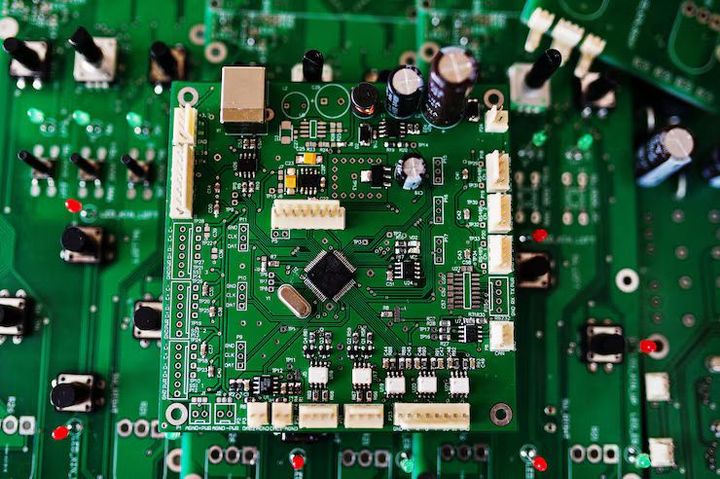
Printed Circuit Boards (PCBs) are the backbone of modern electronic devices, from smartphones to industrial control systems. To shape and separate these boards with precision, PCB routing machines are used. These machines are designed to cut, mill, and route PCBs into specific shapes after the assembly process.
PCB routing exists because electronic components require exact layouts and clean edges to function properly. Manual cutting methods can damage circuits, reduce accuracy, and increase production time. Routing machines solve these issues by offering automated, high-precision cutting that ensures consistency across large production batches.
In simple terms, PCB routing machines help manufacturers achieve accurate board separation while maintaining the integrity of delicate electronic components.
Why PCB Routing Machines Matter Today
PCB routing machines play a critical role in modern electronics manufacturing, especially as devices become smaller and more complex. Industries such as telecommunications, automotive, aerospace, and consumer electronics depend on precise PCB fabrication to ensure reliability and performance.
These machines address several key challenges:
- Precision requirements: Modern circuits require micrometer-level accuracy
- Production efficiency: Automation reduces manual effort and speeds up manufacturing
- Component safety: Prevents damage to sensitive components during cutting
- Scalability: Supports both small-scale prototyping and mass production
As industries move toward automation and smart manufacturing, PCB routing machines are becoming essential tools in maintaining quality and consistency.
Here is a simple comparison of traditional cutting vs. routing machines:
| Feature | Manual Cutting | PCB Routing Machine |
|---|---|---|
| Accuracy | Low | High |
| Speed | Slow | Fast |
| Consistency | Variable | Uniform |
| Risk of Damage | High | Low |
| Automation Capability | None | Advanced |
Recent Updates and Industry Trends
Over the past year, PCB routing technology has seen several advancements driven by automation and digital transformation.
- 2025: Increased adoption of AI-assisted routing systems that optimize cutting paths and reduce material waste
- Late 2024: Integration of IoT sensors for real-time monitoring and predictive maintenance
- 2025: Growth in demand for high-speed spindle motors to support complex PCB designs
- Recent trend: Expansion of compact desktop routing machines for small-scale electronics development
Manufacturers are also focusing on eco-friendly practices, such as reducing dust emissions and improving energy efficiency in routing processes.
A simple trend visualization:
Technology Adoption Trend (2024–2026)

Automation        ██████████
AI Integration    ████████
IoT Monitoring    ███████
Eco Efficiency    ████████
These developments show how PCB routing machines are evolving alongside Industry 4.0 technologies.
Laws and Regulatory Considerations
PCB routing machines are influenced by various regulations, especially in countries like India where manufacturing standards are evolving. These rules ensure safety, environmental compliance, and product quality.
Key regulatory aspects include:
- Electronic manufacturing standards: Compliance with Bureau of Indian Standards (BIS) guidelines
- Environmental rules: Adherence to e-waste management regulations and pollution control norms
- Workplace safety: Following industrial safety standards to protect operators from dust and noise
- Export compliance: Meeting international standards such as RoHS (Restriction of Hazardous Substances)
Government initiatives like “Make in India” and electronics manufacturing incentives have also encouraged the adoption of advanced machinery, including PCB routing systems.
Tools and Resources for PCB Routing
Several tools and platforms support the use and optimization of PCB routing machines. These resources help engineers design, simulate, and manage routing processes effectively.
Commonly used tools include:
-
PCB design software:
- Altium Designer
- KiCad
- Eagle CAD
-
Simulation and analysis tools:
- Circuit simulation platforms
- Signal integrity analysis tools
-
Machine control software:
- CNC control systems
- G-code generators
-
Helpful resources:
- Online PCB design tutorials
- Manufacturer documentation
- Engineering forums and communities
These tools improve workflow efficiency and help ensure accurate routing outcomes.
Frequently Asked Questions
What is a PCB routing machine used for?
A PCB routing machine is used to cut and shape printed circuit boards with high precision after the assembly process.
How is routing different from PCB depaneling?
Routing is a type of depaneling method that uses rotating cutting tools, while other methods may use lasers or mechanical presses.
What industries use PCB routing machines?
Industries such as electronics manufacturing, automotive systems, aerospace, and telecommunications commonly use these machines.
Are PCB routing machines suitable for small-scale production?
Yes, there are compact and desktop models designed for prototyping and small-scale manufacturing.
What factors affect routing quality?
Routing quality depends on spindle speed, tool condition, machine calibration, and material type.
Conclusion
PCB routing machines are essential in modern electronics manufacturing, providing precision, efficiency, and reliability. As technology advances, these machines are becoming smarter and more integrated with digital systems, supporting the growing demand for high-quality electronic products.
With increasing automation, regulatory support, and innovation, PCB routing machines continue to play a vital role in shaping the future of the electronics industry. Understanding their features, applications, and compliance requirements helps manufacturers and engineers make informed decisions in a rapidly evolving technological landscape.