Steel Mezzanine Floor Systems Guide for Industrial Space Planning
Steel mezzanine floor systems are elevated platforms built inside existing buildings to create additional usable space.
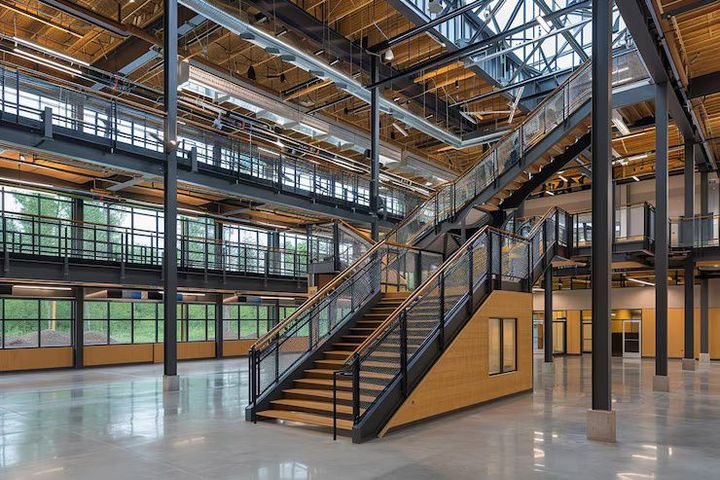
These systems are commonly installed in warehouses, factories, logistics centers, and commercial storage areas where floor space is limited. A mezzanine floor is usually constructed using steel beams, columns, decking panels, and stair access, allowing businesses to use vertical space without expanding the building footprint.
The concept of mezzanine flooring has existed for decades in industrial architecture. Early mezzanine structures were often made from wood or concrete, but modern industrial mezzanine floor systems rely mainly on structural steel because of its durability and adaptability. Today, steel mezzanine floor manufacturers design systems for storage, production, packaging, and office applications inside industrial facilities.
Warehouse mezzanine floor systems are especially common in logistics and distribution environments. As storage needs increase, many facilities use mezzanine flooring for warehouses to separate inventory areas, workstations, or material handling zones. Some facilities also use multi tier mezzanine floor systems to create multiple elevated levels within the same structure.
Modern mezzanine floor systems can be designed as permanent structures or modular units. Modular mezzanine floor systems are assembled from prefabricated components, making them easier to modify when operational layouts change. Custom mezzanine floor systems are often developed for facilities with unusual dimensions, heavy equipment, or specialized storage requirements.
Importance
Space Utilization in Industrial Facilities
Industrial buildings often face challenges related to storage capacity and workflow organization. Expanding a facility outward may not always be practical because of land limitations, construction restrictions, or operational interruptions. Steel mezzanine floor systems help organizations use vertical space more effectively.
A mezzanine floor for industrial storage can separate inventory categories, packaging materials, or equipment while maintaining access to the original floor area. This arrangement can improve organization and reduce congestion in busy facilities.
Role in Warehousing and Logistics
The growth of e-commerce and regional distribution networks has increased demand for warehouse space in many countries. Mezzanine floor for logistics warehouses applications are now common in facilities handling large volumes of inventory and parcel movement.
Heavy duty mezzanine floor systems are often used for:
- Pallet storage
- Conveyor support platforms
- Picking and packing zones
- Equipment platforms
- Archive storage
- Spare parts organization
In logistics operations, structural steel mezzanine floors may also support automation equipment such as conveyor systems or sorting machines. Their flexibility allows facilities to adapt layouts as operational needs change.
Support for Different Industries
Industrial mezzanine floor systems are used in several sectors, including:
| Industry | Common Mezzanine Application |
|---|---|
| Warehousing | Inventory storage and packing zones |
| Manufacturing | Equipment platforms and assembly areas |
| Retail distribution | Stock handling and order processing |
| Automotive | Spare parts and tool storage |
| Pharmaceutical | Controlled storage separation |
| Food processing | Packaging and material staging |
Different industries require different floor capacities, safety features, and environmental conditions. Because of this, mezzanine floor system comparison is often important during planning stages.
Flexibility and Expansion
One reason modular mezzanine floor systems are widely used is their flexibility. Facilities may change product lines, storage methods, or equipment layouts over time. Modular systems can sometimes be adjusted or expanded without major structural reconstruction.
Custom mezzanine floor systems are also useful in buildings with irregular ceiling heights, column spacing, or specialized workflow requirements. This flexibility allows industrial operators to adapt space while maintaining operational continuity.
Recent Updates
Increased Focus on Automation Compatibility
From 2024 through 2026, warehouse planning trends have increasingly focused on automation integration. Many new mezzanine floor systems are designed to support automated storage and retrieval systems, conveyor networks, and robotic material handling equipment.
Steel mezzanine floor manufacturers now frequently incorporate features such as:
- Reinforced load-bearing sections
- Equipment mounting provisions
- Cable routing systems
- Integrated safety barriers
- Access points for maintenance personnel
These changes reflect the growing use of automated logistics operations in distribution facilities.
Growth of Multi-Level Storage Layouts
The use of multi tier mezzanine floor systems has expanded in urban logistics environments where industrial land availability is limited. Multi-level layouts allow facilities to increase storage density without enlarging building footprints.
Facilities handling smaller packaged goods often use two-level or three-level mezzanine systems for order fulfillment and inventory separation. This trend is especially visible in regional e-commerce distribution centers.
Sustainability and Material Efficiency
Recent industrial construction trends have also emphasized material efficiency and environmental considerations. Structural steel mezzanine floors are increasingly designed with recyclable steel components and optimized fabrication methods that reduce material waste.
Some facilities also use modular mezzanine floor systems because prefabricated sections can reduce on-site construction activity and material disposal during installation.
Digital Planning and 3D Modeling
Planning software has become more advanced between 2024 and 2026. Engineers and facility planners commonly use 3D modeling tools to visualize warehouse mezzanine floor systems before construction begins.
Digital planning tools help evaluate:
- Load distribution
- Equipment clearance
- Stair placement
- Fire safety access
- Workflow movement
- Lighting conditions
These technologies support more accurate layout planning for industrial facilities.
Laws or Policies
Building Regulations and Structural Codes
Steel mezzanine floor systems are generally regulated through national and regional building codes. Requirements often address structural safety, fire resistance, occupancy limits, and emergency access.
In many countries, industrial mezzanine floor systems must comply with structural engineering standards related to:
- Load-bearing calculations
- Seismic resistance
- Stair dimensions
- Guardrail height
- Floor deflection limits
- Fire protection measures
Local building authorities may require engineering approval before installation begins.
Workplace Safety Standards
Workplace safety regulations also influence mezzanine flooring for warehouses. Industrial safety authorities often require features such as guardrails, anti-slip flooring, proper lighting, and marked emergency exits.
Heavy duty mezzanine floor systems may require additional inspections when supporting machinery or elevated storage loads. Safety markings and load capacity labels are commonly used to inform workers about operational limits.
Fire and Emergency Access Rules
Fire safety regulations are important in mezzanine floor planning. Requirements may include:
- Sprinkler system coverage
- Smoke detection equipment
- Emergency stair access
- Fire-resistant materials
- Clear evacuation pathways
Warehouse mezzanine floor systems with enclosed spaces may face additional ventilation and occupancy regulations depending on local codes.
Accessibility Considerations
Some countries require accessibility measures for elevated workspaces. These measures may include lift access, platform dimensions, and handrail specifications. Requirements vary depending on the facility type and intended use of the mezzanine.
Tools and Resources
Several tools and digital resources assist planners, engineers, and facility managers during mezzanine project development.
Structural Load Calculators
Load calculation tools help estimate the weight capacity required for industrial mezzanine floor systems. These calculators often consider:
- Storage weight
- Equipment loads
- Worker occupancy
- Dynamic movement
- Material stacking height
Accurate calculations are important for structural safety and regulatory compliance.
CAD and 3D Modeling Platforms
Computer-aided design software is widely used for custom mezzanine floor systems planning. Common design platforms include:
- AutoCAD
- SolidWorks
- Revit
- Tekla Structures
These tools help visualize layouts and coordinate structural elements with existing building infrastructure.
Warehouse Planning Software
Warehouse planning platforms assist with mezzanine floor system comparison by modeling storage layouts and operational flow. These systems may analyze:
- Inventory movement
- Picking routes
- Storage density
- Equipment access
- Space utilization
Digital warehouse simulation tools are increasingly used in logistics planning.
Industry Standards Organizations
Several organizations publish technical standards related to structural steel mezzanine floors and warehouse safety. Examples include:
- Occupational safety agencies
- Structural steel institutes
- Building code councils
- Fire protection associations
These organizations provide guidance documents, engineering references, and safety standards used during mezzanine planning.
FAQs
What are steel mezzanine floor systems used for?
Steel mezzanine floor systems are used to create additional usable space inside industrial and commercial buildings. Common applications include storage areas, packaging zones, office platforms, and equipment support structures.
How do modular mezzanine floor systems differ from custom systems?
Modular mezzanine floor systems use prefabricated components designed for easier assembly and layout adjustments. Custom mezzanine floor systems are designed specifically for unique building dimensions, specialized equipment, or unusual operational requirements.
Are warehouse mezzanine floor systems permanent structures?
Some warehouse mezzanine floor systems are permanent installations, while others are semi-permanent or adjustable. The structure type depends on building design, operational needs, and local construction regulations.
What factors are important in a mezzanine floor system comparison?
A mezzanine floor system comparison often includes load capacity, material type, layout flexibility, safety features, installation methods, and compatibility with warehouse operations. Facilities may also compare single-level and multi tier mezzanine floor systems depending on available space.
Can heavy duty mezzanine floor systems support machinery?
Heavy duty mezzanine floor systems are designed to support higher loads, including industrial equipment and storage materials. Structural engineers typically calculate weight distribution and reinforcement requirements before installation.
Conclusion
Steel mezzanine floor systems play an important role in modern industrial space planning by helping facilities use vertical space more efficiently. These systems support warehousing, manufacturing, logistics, and inventory management activities across many industries. Developments between 2024 and 2026 have focused on automation compatibility, modular construction, and digital planning technologies. Building regulations, workplace safety standards, and structural engineering requirements continue to shape how mezzanine floor systems are designed and used in industrial environments.