Injection Molding Machines Explained: Types, Functions, and Essential Information
Injection Molding Machines are industrial systems used to produce plastic components by injecting melted material into specially designed molds. This manufacturing method became widely adopted during the twentieth century as industries searched for faster and more consistent ways to create plastic products in large quantities.
Today, Injection Molding Machines are used in automotive manufacturing, medical equipment production, electronics assembly, packaging, household goods, and consumer products. The industrial plastic molding process allows manufacturers to create detailed plastic parts with repeatable dimensions and controlled material usage.
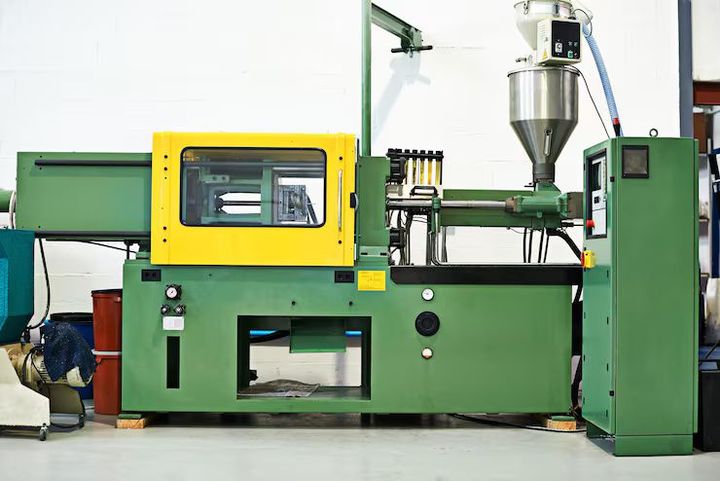
The basic process involves heating plastic pellets until they melt, injecting the material into a mold cavity, cooling the molded shape, and then removing the finished part. Modern injection molding machine systems are often automated and connected to digital monitoring platforms.
Different machine designs exist for various production needs. For example, an electric injection molding machine uses electrically powered systems for motion control, while hydraulic models use fluid-powered mechanisms. Compact systems such as the babyplast injection molding machine are commonly used for smaller precision parts and laboratory-scale production environments.
Injection mold manufacturing also plays an important role in this industry because mold quality directly affects product accuracy and production consistency. Plastic molding machine manufacturers continue developing systems designed for faster production cycles, lower energy usage, and improved automation.
Custom injection molded parts are widely used in daily life. Items such as bottle caps, automotive panels, appliance housings, electronic casings, and medical components are commonly produced through injection molding technology.
Importance
Injection molding technology is important because it enables efficient production of durable plastic products used across modern industries. Many products people use every day rely on the industrial plastic molding process during manufacturing.
Industries commonly using Injection Molding Machines include:
- Automotive manufacturing
- Consumer electronics
- Medical equipment production
- Food packaging industries
- Construction material production
- Household appliance manufacturing
- Agricultural equipment production
Automatic injection molding machine systems help factories maintain continuous production while reducing manual handling requirements. Automated systems can improve consistency and production speed in large manufacturing facilities.
Electric injection molding machine technology has also become important because industries increasingly focus on energy efficiency and operational precision. Electrically powered systems often provide accurate movement control and reduced mechanical vibration.
Custom injection molded parts are important for industries that require specialized component shapes and lightweight materials. Plastic components can often replace heavier materials in certain applications while maintaining structural functionality.
Many people also search online for custom plastic injection molding near me when exploring local manufacturing capabilities for prototypes or specialized industrial components. This reflects growing interest in localized production and smaller manufacturing batches.
The following table outlines common injection molding machine types and their industrial applications:
| Machine Type | Primary Use | Common Industry |
|---|---|---|
| Hydraulic Injection Molding Machine | Heavy production operations | Automotive |
| Electric Injection Molding Machine | Precision component manufacturing | Electronics |
| Hybrid Injection Molding Machine | Mixed operational environments | Consumer goods |
| Babyplast Injection Molding Machine | Small precision components | Medical and research |
| Automatic Injection Molding Machine | Continuous production lines | Packaging |
Recent Updates
Between 2024 and 2026, the injection molding industry has continued evolving through automation, digital manufacturing, and sustainability-focused improvements. Manufacturers increasingly use connected monitoring systems to track machine performance and production efficiency.
Smart manufacturing technologies are becoming more common in injection molding environments. Modern Injection Molding Machines can now integrate with industrial monitoring software that tracks temperature, pressure, cycle times, and material flow in real time.
Plastic molding machine manufacturers are also developing systems with improved energy efficiency and compact production footprints. Electric injection molding machine technology continues gaining attention because of precise operational control and lower noise levels.
Robotic automation is another growing trend. Many production lines now include robotic systems for part removal, inspection, and packaging. These technologies help improve production consistency and reduce repetitive manual tasks.
Recycled and bio-based plastic materials are increasingly used in some molding applications as industries explore alternative material strategies. Injection mold manufacturing techniques are also becoming more advanced through computer-aided design and digital simulation tools.
Another important development involves predictive maintenance systems. Sensors can monitor machine vibration, temperature, and hydraulic performance to identify operational irregularities before production interruptions occur.
Laws or Policies
Injection molding operations are influenced by workplace safety regulations, environmental standards, and industrial manufacturing guidelines. Governments and industry organizations establish these rules to improve safety and reduce environmental impact.
Industrial facilities using Injection Molding Machines typically follow electrical safety regulations, machine guarding requirements, and ventilation standards. Heated plastics and moving mechanical components can create operational hazards if equipment is not properly monitored.
Environmental policies may regulate:
- Plastic material handling
- Industrial emissions
- Waste management procedures
- Recycling requirements
- Energy consumption practices
Manufacturing facilities producing food packaging or medical products may also follow additional hygiene and material compliance regulations.
Injection mold manufacturing operations frequently use international quality standards to maintain production consistency and dimensional accuracy. These standards help industries maintain compatibility between molds, machines, and manufactured components.
The table below summarizes major regulatory areas affecting injection molding operations:
| Regulatory Area | Purpose | Industrial Impact |
|---|---|---|
| Workplace Safety Rules | Reduce operational hazards | Safer manufacturing environments |
| Environmental Regulations | Manage emissions and waste | Cleaner production practices |
| Electrical Safety Standards | Protect equipment and workers | Improved operational reliability |
| Material Compliance Rules | Ensure approved material usage | Safer consumer products |
| Industrial Quality Standards | Improve consistency | Reliable product dimensions |
Tools and Resources
Injection molding facilities rely on several technical tools and digital resources to monitor production, design molds, and improve manufacturing efficiency.
Common tools and resources include:
- Computer-aided design software
- Mold flow simulation platforms
- Production monitoring dashboards
- Material analysis databases
- Machine diagnostic applications
- Industrial automation systems
- Temperature monitoring equipment
- Quality inspection software
Injection mold manufacturing often involves simulation software capable of predicting material flow patterns before production begins. These digital systems help engineers identify possible defects such as air traps, uneven cooling, or shrinkage issues.
Automatic injection molding machine environments frequently use industrial robots and programmable controllers for coordinated production tasks. Digital monitoring systems can track machine efficiency and operational stability continuously.
Technical organizations and engineering institutions also publish educational resources related to plastic processing methods, mold design principles, and manufacturing safety practices.
FAQs
What are Injection Molding Machines used for?
Injection Molding Machines are used to produce plastic parts by injecting melted material into molds for industrial and consumer product manufacturing.
What is an electric injection molding machine?
An electric injection molding machine uses electrically powered systems for machine movement and production control instead of hydraulic mechanisms.
Why are custom injection molded parts important?
Custom injection molded parts allow industries to create specialized plastic components for automotive, electronics, medical, and packaging applications.
What is the industrial plastic molding process?
The industrial plastic molding process involves heating plastic material, injecting it into a mold, cooling the part, and removing the finished component.
What is a babyplast injection molding machine?
A babyplast injection molding machine is a compact molding system commonly used for small precision parts, laboratory testing, and prototype production.
Conclusion
Injection Molding Machines remain an important part of global manufacturing and industrial production. These systems support efficient production of plastic components used across automotive, medical, packaging, and consumer industries. Advances in automation, digital monitoring, and material technology continue shaping modern injection molding operations. As manufacturing environments become more connected and data-driven, injection molding technology continues evolving alongside industrial innovation.