Millet Processing Machines: A Guide to Cleaning, Dehulling, Milling and Grain Sorting Technologies
Millet processing machines are used to clean, dehull, separate, grind and prepare millet grains for food production.
Millets are small-seeded cereal crops that include pearl millet, finger millet, foxtail millet, little millet, kodo millet and barnyard millet. They are grown in India and other regions because different varieties can grow under a range of environmental conditions.
Raw millet harvested from fields often contains dust, stones, plant fragments and other unwanted materials. Some varieties also have an outer husk that must be removed before the grain can be used in many food products. Processing equipment helps prepare the grain for cooking, flour production, packaged foods and other applications.
Millet processing machines range from simple grain cleaners and small milling units to integrated production lines. The equipment selected depends on the millet variety, grain moisture, intended product, production volume and desired level of processing. A small unit producing flour may require a different arrangement from a facility preparing dehulled millet for packaged food.
Main Stages of Millet Processing
Millet processing usually involves several stages. Not every facility uses every stage, because the required sequence depends on the crop and final product.
Cleaning: Removes dust, stones, straw and other foreign materials.
Grading: Separates grains according to size or other physical characteristics.
Dehulling: Removes the outer husk from varieties that require this operation.
Separation: Divides kernels from husk fragments and other lighter materials.
Polishing: Removes remaining surface material when the product specification requires it.
Milling: Reduces grain into flour or smaller particles.
Sieving: Separates flour or grits according to particle size.
Packaging: Places the processed grain or flour into suitable containers.
Each stage affects the quality and quantity of the final product. Poor cleaning can allow unwanted material into later stages, while unsuitable dehulling settings may break kernels or remove more material than intended.
Types of Millet Processing Machines
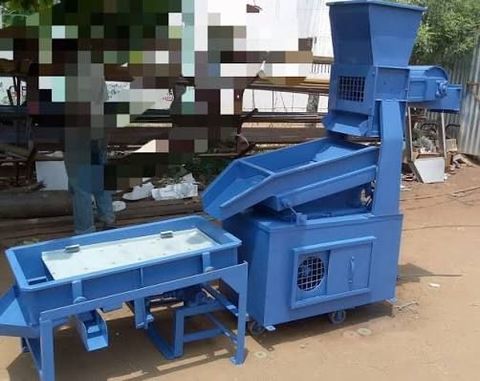
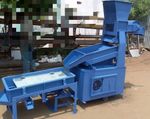
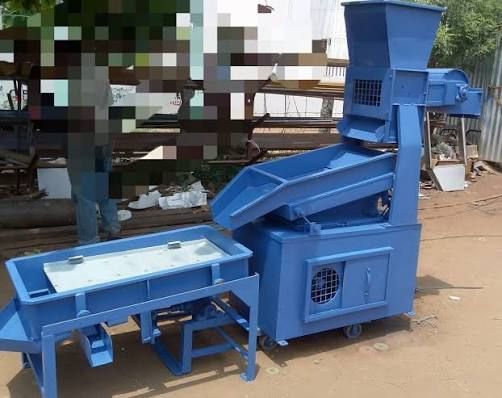
Different machines perform specific tasks within a processing line. A grain cleaner uses screens and airflow to remove unwanted materials, while a dehuller separates the husk from the edible portion of the grain.
A destoner separates stones and dense particles using differences in weight and movement. Milling machines use mechanisms such as rollers, plates or hammers to reduce grain size. Sieving equipment then separates the output into different particle-size groups.
Importance
Millet processing machines help convert harvested grains into ingredients that are easier to store, prepare and use in food production. They are relevant to farmers, grain aggregators, food manufacturers, cooperatives, small milling units and agricultural processing facilities.
Manual cleaning and dehulling can require considerable time, especially when grain quantities increase. Mechanical equipment can handle larger batches and provide more consistent processing when it is correctly adjusted and maintained. However, output quality still depends on grain condition, machine design, operator skill and process control.
Food Quality and Grain Purity
Removing stones, dust and other foreign materials is important for food safety and product consistency. Cleaning and grading also help prepare grains for milling, packaging or further processing.
Dehulling must be matched to the characteristics of the millet variety. Some grains have husks that are difficult to remove without damaging the kernel, so machine settings and feed rates need careful adjustment. Excessive kernel breakage can reduce the proportion of whole grains available for particular products.
Reducing Processing Losses
Grain may be lost through broken kernels, excessive husk removal, inefficient separation or material left inside equipment. Processing facilities can monitor these losses by weighing the input grain, edible output, husk and other by-products.
The moisture content and condition of the grain also influence performance. Grain that is too wet or too dry for the machine's operating range may not separate or mill as expected. Proper preparation and routine checks help maintain consistent output.
Supporting Rural and Regional Food Production
Millet processing can support local food systems by enabling grain to be converted into flour, grits and ready-to-cook ingredients near growing areas. Small processing units may work with local farmers and food producers, while larger plants may supply regional or national distribution networks.
The range of products depends on consumer preferences, available grain varieties and the capabilities of the processing facility. Common products include millet flour, cleaned whole grains, semolina-like fractions, flakes and ingredients for baked or prepared foods.
Recent Updates
Current millet processing trends include increased automation, improved separation systems, more precise control of milling operations and greater attention to product consistency. In India, interest in millet-based foods has also encouraged discussion of processing capacity, product development and links between farmers and food manufacturers.
Automation and Integrated Processing Lines
Modern processing lines may connect cleaning, grading, dehulling, separation and packaging equipment. Automated controls can regulate feed rates, monitor selected operating conditions and help operators identify interruptions.
Integration does not remove the need for quality checks. Operators still need to inspect grain samples, verify separation results and adjust equipment when grain varieties or incoming batches change.
Improved Grain Separation
Processing equipment increasingly uses combinations of screens, airflow, density separation and optical sorting where appropriate. Optical systems can identify certain differences in colour or visible defects, while conventional separation methods remain useful for removing stones, husk and particles of different sizes or densities.
The suitability of each method depends on the grain and the impurity being removed. Optical sorting, for example, cannot replace every cleaning stage because some contaminants may resemble the grain in appearance.
Product Development and Flour Processing
Food manufacturers are exploring millet ingredients for breakfast foods, baked products, snacks and blended flours. Milling and sieving systems allow processors to produce different particle sizes for different recipes.
Heat exposure, particle size and storage conditions can influence flour characteristics. Facilities producing flour therefore need to consider moisture control, hygiene, packaging and the intended shelf life of the finished product.
Energy and Resource Management
Processing facilities are also examining energy use, dust control and by-product management. Motors, fans, milling mechanisms and compressed-air systems can contribute to overall energy demand.
Husk and other by-products may have potential uses depending on their cleanliness, composition and local requirements. Their handling should be planned to avoid dust accumulation, contamination and unnecessary waste.
Laws or Policies
In India, millet processing facilities may need to comply with food safety requirements, machinery safety provisions, environmental regulations and applicable business or factory rules. The exact requirements depend on the facility's size, location, products and processing activities.
Food Safety Requirements
The Food Safety and Standards Authority of India (FSSAI) oversees food safety requirements under the Food Safety and Standards Act, 2006, and associated regulations. Food businesses may need the relevant registration or licence based on their activity and applicable eligibility criteria.
Facilities handling millet grains and flour should maintain suitable hygiene, pest control, cleaning procedures and protection against contamination. Requirements concerning food labelling, packaging and product standards may also apply to packaged millet products.
Machinery and Workplace Safety
Processing equipment can create hazards from moving parts, rotating blades, belts, electrical systems and airborne dust. Appropriate guards, emergency stops, electrical protection, operator training and safe maintenance procedures help control these risks.
The applicable Indian workplace safety framework, including relevant state factory rules and provisions in force, should be checked according to the facility's legal classification. Equipment installation and maintenance should account for manufacturer instructions and the hazards identified in the workplace.
Environmental and Local Requirements
Millet processing can generate dust, husk and other solid residues. Depending on the facility and its location, pollution-control requirements, waste-handling rules, fire-safety provisions and local permissions may apply.
The Central Pollution Control Board and the relevant State Pollution Control Board provide information about environmental requirements. Facilities should determine whether approvals or monitoring obligations apply to their particular operation rather than assuming that every plant follows the same rules.
Tools and Resources
Selecting and operating millet processing machines involves technical specifications, grain testing, production planning and quality-control records. Resources should match the crop variety, intended product and scale of the processing operation.
Equipment and Quality-Testing Tools
Common equipment and tools include grain cleaners, dehullers, destoners, milling machines, sieves, moisture meters and weighing scales. Laboratory or quality-control facilities may also use sample dividers and inspection trays to assess grain purity, kernel damage and processing results.
Moisture measurement is important because grain condition affects storage and processing performance. Testing procedures should follow the instrument instructions and appropriate grain-quality methods.
Planning and Maintenance Records
A processing facility can maintain records of incoming grain quantity, moisture levels, machine settings, processed output, rejected material and downtime. Comparing input and output quantities helps identify losses and changes in process performance.
A basic equipment selection review may include:
Grain variety: Confirm compatibility with the millet being processed.
Processing capacity: Match expected throughput to the facility's production needs.
Product specification: Determine whether the output will be whole grain, dehulled grain, flour or another ingredient.
Cleaning and maintenance: Assess access to internal parts and the requirements for removing accumulated dust.
Power and space: Check electrical supply, installation area and material movement.
Safety controls: Review guarding, dust extraction, emergency stops and operator access.
The table below summarises the functions of common equipment.
| Machine | Main function | Typical output or result |
|---|---|---|
| Grain cleaner | Removes dust and light impurities | Cleaner raw grain |
| Destoner | Separates stones and dense particles | Grain with fewer heavy contaminants |
| Dehuller | Removes the outer husk | Dehulled kernels and husk |
| Grader | Separates grains by size | Size-based grain fractions |
| Millet mill | Reduces grain into smaller particles | Millet flour or grits |
| Vibro sifter | Separates particles by size | Graded flour or grain fractions |
| Packing machine | Fills and seals suitable packages | Packaged grain or flour |
Information Sources
Useful Indian resources include FSSAI for food safety and licensing information, the Indian Council of Agricultural Research for agricultural research, and the Indian Institute of Millets Research for millet-related technical knowledge. State agriculture departments and agricultural universities may also provide information about grain varieties, processing practices and regional production.
FAQs
What are millet processing machines used for?
Millet processing machines clean, grade, dehull, separate and mill millet grains. Depending on the equipment, they can prepare whole grains, dehulled kernels, flour and other food ingredients.
Which machines are required for a millet processing plant?
A basic plant may require a grain cleaner, dehuller, separation equipment and a mill, depending on the intended product. Larger facilities may add grading, optical sorting, sieving, dust extraction and automated packaging equipment.
How does a millet dehulling machine work?
A millet dehulling machine applies controlled friction, impact or another mechanical action to separate the outer husk from the kernel. The operating settings must suit the millet variety to limit unnecessary breakage.
What factors affect millet processing machine performance?
Grain variety, moisture content, impurity levels, feed rate, machine settings and equipment condition all influence performance. Product specifications and the required proportion of whole kernels also affect the process.
What regulations apply to millet processing units in India?
Millet processing units may need to follow FSSAI food safety requirements, applicable workplace safety rules and relevant environmental or local regulations. Specific obligations depend on the facility's activities, scale and location.
Final Thoughts
Millet processing machines help turn harvested grains into clean whole millet, dehulled kernels, flour and other food ingredients. Each processing stage has a distinct purpose, and the equipment must suit the grain variety and intended product. In India, food safety, workplace protection and environmental requirements are important considerations for processing facilities. Consistent quality depends on suitable machine settings, grain testing, hygiene, maintenance and careful monitoring of processing losses.