Sanitary Napkin Making Machines: A Guide to Production Processes, Automation Technology and Quality Control
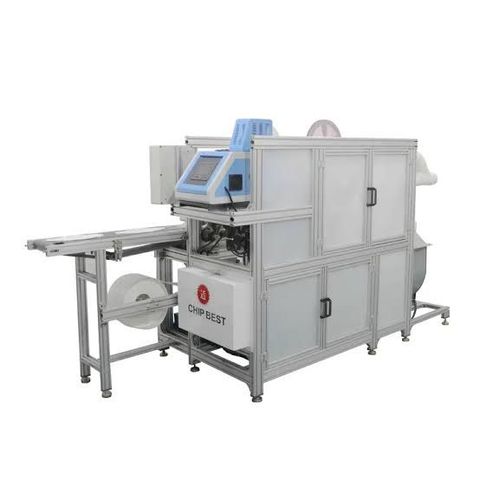
Sanitary napkin making machines are industrial systems used to manufacture disposable menstrual pads from absorbent materials, protective films, nonwoven fabrics, and adhesive components.
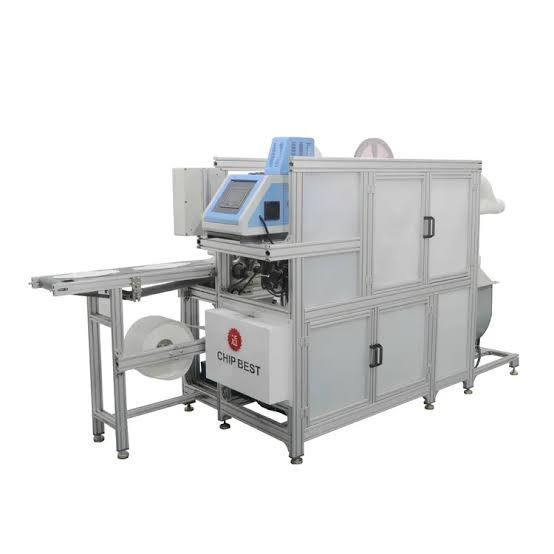
Sanitary napkin manufacturing and hygiene management rely on specialized equipment that handles production, distribution, and safe disposal. These machines coordinate material feeding, absorbent core formation, layering, sealing, cutting, folding, and packaging for finished pads. Parallel systems address on-site access through vending units and hygienic disposal via incinerators. Designs range from semi-automatic equipment needing regular operator involvement to fully integrated production lines controlled by programmable systems, while incinerators and vending machines support schools, offices, hospitals, and public facilities.
Sanitary napkins absorb menstrual fluid and create a comfortable barrier. Performance depends on material selection, dimensions, absorbent capacity, fluid distribution, surface softness, and manufacturing consistency. A typical production line converts rolls of raw materials into finished pads through connected stages. Configuration depends on pad design, volume targets, specifications, factory space, and packaging needs.
Main Components of a Production Line
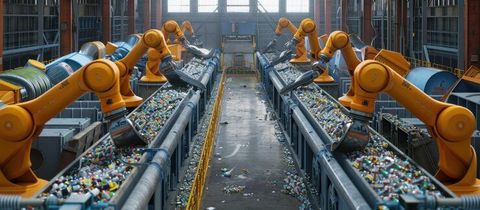
A sanitary napkin manufacturing line typically includes material unwinding units that feed nonwoven fabrics, films, and other roll materials; absorbent core forming units that distribute pulp or other absorbents into shape; layering systems that combine the core with top and back sheets; embossing and sealing units; cutting and shaping mechanisms; adhesive application systems with release paper; folding and counting units; and packaging equipment.
Not every line uses identical components. Some integrate most stages, while others separate core preparation, inspection, or packaging.
Common Types of Sanitary Napkin Making Machines
Machine types are distinguished by automation level, configuration, and product range. Manual or small-scale systems involve high operator involvement with basic equipment and separate stages. Semi-automatic machines provide moderate mechanical assistance, requiring operators to coordinate several activities. Automatic integrated lines and high-speed production lines reduce routine operator involvement through linked processes and programmed controls. These systems support daytime pads, overnight pads, wings, different thicknesses, and varying dimensions when tooling and controls allow.
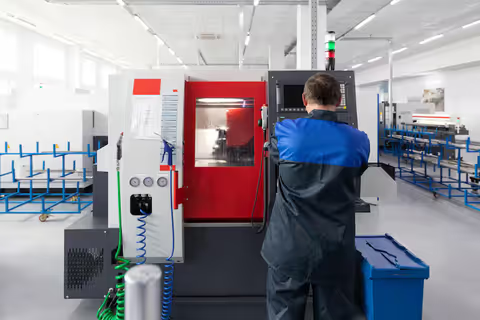
PLCs in sanitary napkin machines play a central role in modern lines. Programmable logic controllers coordinate material feeding, cutting, sealing, product transfer, and tension control. Human-machine interfaces let operators monitor status, adjust settings, and respond to alarms. Servo-driven mechanisms improve precision and repeatability. Sensors track web position, tension, product presence, pressure, temperature, and movement. Integrated fault detection helps identify broken webs, misplaced components, or flow interruptions, though visual checks and product testing remain essential.
Absorbent Materials and Product Structure
A typical sanitary napkin has a permeable top sheet (often nonwoven), an absorbent core of fluff pulp and superabsorbent polymer (SAP), a liquid-resistant back sheet (commonly polyethylene film), hot-melt adhesives, and release paper. Material grades vary by product. Selection considers compatibility, skin-contact safety, fluid handling, strength, and regulatory requirements.
Production Stages
Standard sequence includes raw-material feeding, core preparation, layer assembly, bonding and embossing, cutting and shaping, adhesive and release-paper application, folding and inspection, and packaging. Exact order varies by machine design—some form the core in place, others use prepared cores.
Production Line Comparison
Manual or small-scale setups involve high operator involvement and more direct handling. Semi-automatic lines offer moderate assistance. Automatic integrated and high-speed lines emphasize continuous output, system monitoring, material consistency, and fault detection. Actual output depends on pad dimensions, settings, changeovers, downtime, materials, and operating hours.
Recent Developments (2024–2026)
Focus areas include automation with PLCs and servo systems, sensors for fault detection, material efficiency through better roll changes and reduced cutting waste, flexible tooling for multiple pad designs, and digital production records tracking output, downtime, rejects, alarms, and maintenance. These support consistent quality when combined with trained operators and documented procedures.
Sanitary Napkin Incinerators
Safe disposal is critical because used pads contain biological material. A sanitary napkin incinerator (also called a sanitary pad incinerator or burner) is a compact electric device that burns used pads at high temperatures—typically 500–800°C or higher—converting them into sterile ash with significant volume reduction. Units are usually wall-mountable or floor-standing, front- or top-loading, and fully automatic with timers, temperature indicators, auto cut-off, and exhaust pipes. Capacities range from a few pads per cycle (1–20) and 50–400+ pads per day depending on model. Features often include ceramic insulation, ash collection trays, magnetic locks, and smoke control units to meet emission considerations. They are used in schools, offices, hospitals, and public restrooms to improve hygiene, reduce odor and infection risk, and avoid drain clogging or overflowing bins.
Sanitary Napkin Vending Machines and Combined Systems
Sanitary napkin vending machines provide discreet, on-demand access to pads in toilets and public spaces. Models include coin-operated, push-button, token, or electronic versions (some with UPI or card options). Capacities commonly range from 25–50 or more pads. Many suppliers offer combo units pairing a vending machine with an incinerator for complete hygiene solutions—access plus safe disposal.
Sanitary napkin vending machine and incinerator systems and sanitary napkin vending machine with incinerator tender opportunities appear frequently in government procurement, especially in India under GeM and state departments (Panchayati Raj, rural development, education, and urban bodies). Recent tenders seek wall-mountable incinerators with smoke control units alongside vending machines for schools, colleges, hospitals, Sulabh complexes, and public places. Specifications typically cover capacity, power (often 230 V single-phase), materials (MS powder-coated or stainless), automation, safety features, and emission compliance references.
Why Production Technology, Quality Control, and Disposal Matter
Menstrual products contact sensitive skin, so material safety, cleanliness, absorbency, and consistency are essential. Defects in sealing, adhesive placement, or core distribution affect usability. Process monitoring, sensors, and digital records help catch variation early. For incinerators, complete combustion, low residue, and controlled emissions support hygiene and environmental goals. Quality checks for pads include visual inspection, dimensional measurement, absorbency and rewet testing, pH, and seal integrity, aligned with applicable standards.
Laws, Regulations, and Standards in India
Manufacturing and related equipment may fall under product quality, labelling, factory safety, and environmental rules. IS 5405 is a key Indian Standard associated with sanitary napkins; manufacturers should verify the current edition, amendments, and any certification needs via the Bureau of Indian Standards. Labelling follows Legal Metrology and packaged-commodity rules. Factory safety covers guarding, emergency stops, electrical protection, and training. Environmental aspects involve waste, scrap, adhesives, and emissions—relevant standards and Central Pollution Control Board guidance apply, particularly for incinerators. Official sources include bis.gov.in, consumeraffairs.nic.in, and cpcb.nic.in.
Tools, Resources, and Performance Measures
Useful items include production sheets, raw-material records, machine manuals, maintenance schedules, measuring instruments, calibrated scales, and process sensors. Manufacturers track output per hour, rejection rate (rejected units ÷ total units × 100), material waste, and machine availability. Results should be interpreted with product type, runtime, material changes, and downtime.
Frequently Asked Questions
How do sanitary napkin making machines work?
They feed raw materials, form an absorbent core, assemble layers, bond or emboss, cut pads, apply garment adhesive, and package products. Sequence varies by configuration. PLCs and sensors improve coordination on automated lines.
What raw materials are used?
Nonwoven fabric, fluff pulp, SAP, liquid-resistant film, adhesives, and release paper. Specifications depend on design and safety needs.
What is the difference between automatic and semi-automatic machines?
Automatic lines use programmed controls (including PLCs) for more stages with lower routine operator involvement. Semi-automatic systems require more hands-on coordination. Output depends on configuration and conditions.
How is quality control performed?
Raw-material inspection, process monitoring, dimensional checks, absorbency/rewet testing, visual inspection, and packaging verification. Tests follow product specifications and standards such as IS 5405.
What about sanitary napkin incinerators and vending machines?
Incinerators burn used pads into sterile ash on-site for hygiene and volume reduction. Vending machines improve access. Combined systems and related tenders support institutional hygiene programs.
Which Indian standards apply?
IS 5405 is important for sanitary napkins. Verify current requirements, amendments, and any certification through official BIS sources. Incinerators reference emission and solid-waste management guidelines.
Conclusion
Sanitary napkin making machines integrate material handling, core formation, layering, cutting, adhesive application, and packaging, with PLCs, sensors, and digital records supporting consistency on modern lines. Complementary equipment—sanitary napkin incinerators for safe disposal and vending machines for access—completes the hygiene ecosystem, especially where tenders seek combined sanitary napkin vending machine and incinerator solutions. Equipment selection depends on product specifications, volume needs, material compatibility, quality requirements, and applicable standards. Reliable process control, maintenance, and testing help deliver consistent, safe products and hygienic environments.