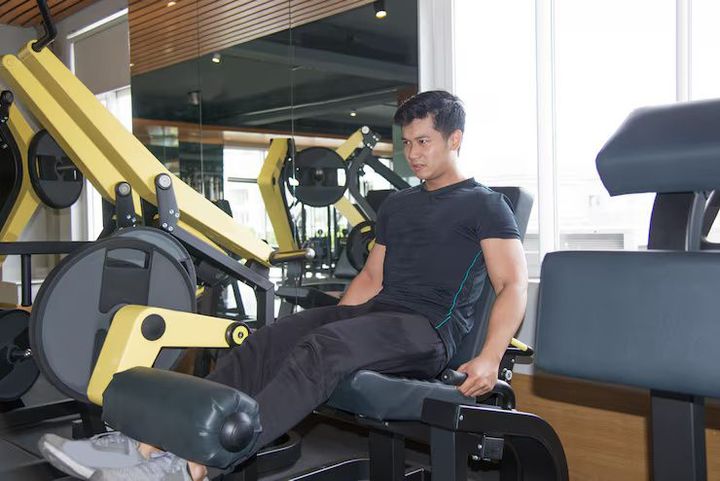
Gym Equipment Manufacturing: Processes, Trends, and Industry Overview
Gym equipment manufacturing is the process of designing, engineering, producing, and assembling machines and accessories used in fitness facilities, training centers, rehabilitation environments, and home workout spaces. The industry includes a wide range of products, from treadmills and exercise bikes to strength-training machines, racks, benches, and functional fitness equipment.
Modern gym equipment manufacturers combine mechanical engineering, materials science, electronics, and user-focused design to create products that support physical activity. Commercial gym equipment manufacturers typically produce equipment intended for frequent use in fitness centers, educational institutions, sports complexes, and corporate wellness facilities.
The growth of health awareness and fitness participation has contributed to the expansion of gym machine manufacturers around the world. Many organizations also work with fitness equipment OEM manufacturers to produce equipment under different brand names while maintaining specific design and production standards.
As fitness needs have become more diverse, custom gym equipment manufacturing has gained attention. This approach allows facilities to create equipment layouts and specifications that fit available space, training goals, and user requirements.
Importance
Gym equipment manufacturing plays an important role in supporting public health and physical fitness. The equipment produced by this industry helps people engage in cardiovascular exercise, strength training, flexibility programs, and rehabilitation activities.
Supporting Fitness Infrastructure
Fitness facilities depend on reliable equipment to accommodate daily users. Commercial gym equipment manufacturers contribute to the development of gyms, training centers, universities, and sports facilities by supplying machines designed for repeated use.
Meeting Diverse User Needs
Different users have different physical abilities, fitness goals, and training preferences. Gym machine manufacturers develop equipment for:
- Beginners learning exercise fundamentals
- Athletes pursuing performance goals
- Older adults focusing on mobility
- Rehabilitation participants recovering physical function
- General fitness enthusiasts
Enhancing Safety
Well-designed equipment can help reduce risks associated with improper exercise techniques. Manufacturers often incorporate safety features such as adjustable settings, protective covers, and instructional displays.
Supporting Business Operations
Fitness facilities often rely on turnkey gym equipment solutions when establishing new training environments. These solutions may include planning, equipment selection, layout design, installation coordination, and long-term operational considerations.
Recent Updates
The gym equipment manufacturing industry has experienced several notable developments between 2024 and 2026.
Increased Integration of Smart Technology
Many manufacturers have expanded the use of digital features within equipment. These technologies may include:
- Workout tracking systems
- Connected mobile applications
- Performance monitoring tools
- Cloud-based fitness data management
- Interactive training displays
These features help users monitor progress and maintain workout consistency.
Growth of Hybrid Fitness Models
Many fitness organizations now support both facility-based and remote training. As a result, manufacturers are developing equipment suitable for multiple environments, including commercial facilities and home fitness spaces.
Focus on Sustainable Production
Environmental considerations are influencing manufacturing decisions. Some companies are exploring:
- Recycled materials
- Energy-efficient production methods
- Durable product designs
- Reduced packaging waste
These efforts reflect broader sustainability trends across manufacturing industries.
Expansion of Customization Options
Custom gym equipment manufacturing continues to evolve as facilities seek equipment configurations tailored to specific training programs. Customization may involve frame dimensions, branding elements, equipment layouts, or specialized attachments.
Data-Driven Equipment Management
Fitness facilities increasingly use digital management systems to monitor equipment usage, maintenance schedules, and operational efficiency. This trend has contributed to greater interest in gym equipment maintenance contracts that support long-term equipment performance.
Laws or Policies
Gym equipment manufacturing is influenced by various regulations, standards, and safety requirements. These frameworks differ by country but generally focus on product safety, manufacturing quality, and consumer protection.
Product Safety Standards
Manufacturers often follow recognized safety standards that address:
- Structural integrity
- Stability testing
- Load capacity verification
- Electrical safety requirements
- User instruction guidelines
Compliance helps ensure equipment operates within established safety parameters.
Manufacturing Regulations
Industrial facilities producing fitness equipment may be subject to regulations concerning:
| Regulatory Area | Purpose |
|---|---|
| Workplace Safety | Protects employees during production activities |
| Environmental Compliance | Manages emissions, waste, and resource usage |
| Quality Management | Supports consistent manufacturing processes |
| Electrical Standards | Applies to powered fitness equipment |
| Product Labeling | Provides user information and safety warnings |
Import and Export Requirements
Many gym equipment manufacturers operate globally. International trade regulations may influence product certification, documentation requirements, and quality inspections before products enter specific markets.
Accessibility Considerations
Some public facilities must consider accessibility requirements when planning fitness spaces. Equipment selection and layout planning may be influenced by policies designed to improve access for individuals with disabilities.
Tools and Resources
A variety of tools and resources support gym equipment manufacturing, facility planning, and equipment management.
Design and Engineering Software
Computer-aided design platforms help engineers create detailed equipment models before production begins. These systems allow teams to evaluate structural designs and manufacturing specifications.
Common applications include:
- 3D modeling software
- Simulation platforms
- Engineering analysis tools
- Product lifecycle management systems
Facility Layout Planning Tools
Organizations developing fitness centers often use digital planning software to determine equipment placement, traffic flow, and space utilization. These tools are frequently incorporated into turnkey gym equipment solutions.
Maintenance Management Platforms
Many facilities use maintenance software to schedule inspections and monitor equipment condition. Such systems can support gym equipment maintenance contracts by tracking maintenance histories and replacement planning.
Industry Standards Organizations
Industry associations and standards organizations publish technical guidance related to safety, manufacturing quality, and equipment testing procedures.
Digital Performance Monitoring Systems
Modern fitness equipment increasingly includes monitoring capabilities that collect usage information. These systems help operators understand equipment utilization patterns and maintenance needs.
Understanding the Manufacturing Process
Product Design and Research
The manufacturing process often begins with research into user needs, training methods, and market requirements. Designers and engineers then create prototypes that undergo testing and evaluation.
Material Selection
Manufacturers select materials based on durability, safety, and performance requirements. Common materials include:
- Steel frames
- Aluminum components
- Rubber coverings
- High-density plastics
- Electronic control systems
Fabrication and Assembly
Production facilities may perform several operations:
- Cutting and shaping metal components
- Welding structural frames
- Surface finishing and coating
- Mechanical assembly
- Electronic integration
- Quality inspection
Testing and Quality Verification
Before distribution, equipment may undergo testing procedures designed to evaluate strength, durability, stability, and operational performance.
Types of Gym Equipment Commonly Manufactured
Cardiovascular Equipment
Cardio equipment is designed to support endurance and aerobic exercise.
Examples include:
- Treadmills
- Exercise bikes
- Rowing machines
- Elliptical trainers
- Stair climbers
Strength Training Equipment
Strength equipment helps users develop muscular strength and endurance.
Examples include:
- Weight machines
- Power racks
- Smith machines
- Cable systems
- Adjustable benches
Functional Training Equipment
Functional fitness equipment supports movement patterns used in daily activities and athletic training.
Examples include:
- Suspension systems
- Training rigs
- Resistance equipment
- Agility training tools
- Mobility stations
Specialized Equipment
Some gym machine manufacturers produce equipment for rehabilitation, athletic performance development, and specialized training environments.
FAQs
What do gym equipment manufacturers produce?
Gym equipment manufacturers produce a variety of fitness products, including cardio machines, strength-training equipment, functional training systems, and specialized exercise tools used in commercial and personal fitness environments.
How are commercial gym equipment manufacturers different from home fitness equipment producers?
Commercial gym equipment manufacturers generally design equipment intended for frequent use in fitness facilities, training centers, and public exercise spaces. Home fitness products are often designed for lower usage frequency and smaller spaces.
What is custom gym equipment manufacturing?
Custom gym equipment manufacturing involves designing or modifying equipment to meet specific facility requirements, space limitations, training objectives, or operational needs.
What do fitness equipment OEM manufacturers do?
Fitness equipment OEM manufacturers produce equipment that may later be marketed under another company's brand. They often handle engineering, production, and quality-control processes according to agreed specifications.
Why are gym equipment maintenance contracts important?
Gym equipment maintenance contracts can help organizations establish regular inspection schedules, monitor equipment condition, and support operational planning for fitness facilities.
Conclusion
Gym equipment manufacturing combines engineering, design, technology, and quality control to produce equipment used in fitness environments worldwide. The industry supports a wide range of users, from recreational exercisers to professional athletes and rehabilitation participants. Recent developments include smart technology integration, sustainability initiatives, and expanded customization options. Regulatory standards, maintenance planning, and digital management tools continue to shape how equipment is produced and managed across the fitness sector.