Professional Guide to PPE Kit Sealing Machines: Technologies, Maintenance, and Best Practices
PPE kit sealing machines are specialized packaging systems used to seal personal protective equipment (PPE) kits before distribution and use.
These machines help package items such as protective gowns, masks, gloves, face shields, shoe covers, and other healthcare-related protective products into sealed packaging.
The demand for organized and hygienic packaging increased significantly as healthcare facilities, laboratories, industrial workplaces, and emergency response organizations expanded their use of protective equipment. As a result, PPE kit sealing machine manufacturers developed equipment capable of handling various packaging materials and production requirements.
Modern packaging systems are often integrated into larger production environments. Medical packaging machine suppliers and PPE packaging equipment manufacturers provide machinery that supports packaging operations while maintaining product integrity throughout storage and transportation.
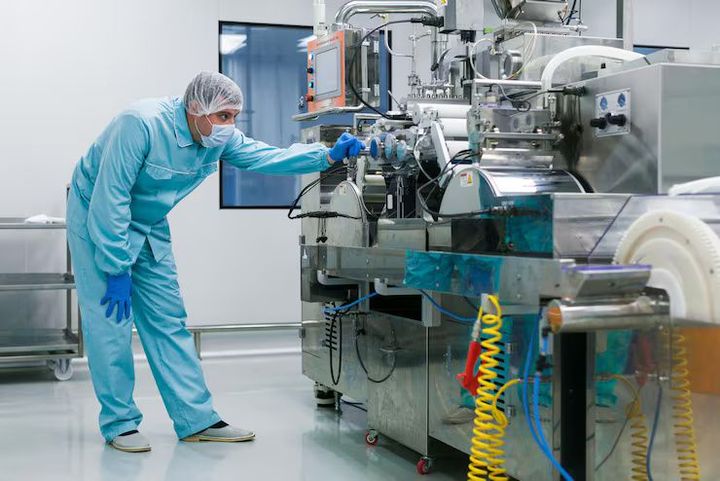
Automatic PPE kit sealing machines are commonly used in facilities that package large volumes of protective equipment. These systems help improve packaging consistency and support quality control procedures. Heat sealing machines for PPE kits are among the most widely used technologies because they create secure seals on flexible packaging materials.
Today, PPE production line equipment may include multiple stages, such as product assembly, inspection, packaging, sealing, labeling, and tracking. Understanding how these machines operate helps explain their importance within healthcare and industrial supply chains.
Importance
Supporting Product Protection
Protective equipment must remain clean and intact until it reaches the end user. Packaging plays a critical role in protecting products from dust, moisture, and physical damage during handling and transportation.
Proper sealing helps maintain the condition of packaged items and reduces the likelihood of contamination after packaging.
Improving Packaging Consistency
Manual packaging methods can produce variations in seal quality and package appearance. Sealing machines help create more uniform packaging results.
Consistent sealing can support quality assurance programs and simplify inspection procedures.
Assisting High-Volume Production
Many healthcare and industrial facilities package large quantities of protective equipment. Automated systems help manage repetitive packaging tasks and maintain production efficiency.
Automatic PPE kit sealing machines are particularly useful when large numbers of kits must be prepared within limited timeframes.
Supporting Supply Chain Reliability
Protective equipment is often transported through complex distribution networks. Secure packaging helps products remain protected during storage and shipment.
Reliable packaging contributes to smoother inventory management and distribution processes.
Enhancing Workplace Safety
Packaging equipment can reduce the need for repeated manual handling of products during packaging operations. Automated systems may help improve workflow organization and reduce certain workplace risks associated with repetitive tasks.
Understanding PPE Kit Sealing Technology
Heat Sealing Systems
Heat sealing machines for PPE kits use controlled temperature and pressure to bond packaging materials together.
This method is commonly used for flexible packaging materials such as plastic pouches and medical-grade packaging films. Heat sealing technology creates secure closures that help maintain package integrity.
Continuous Band Sealing
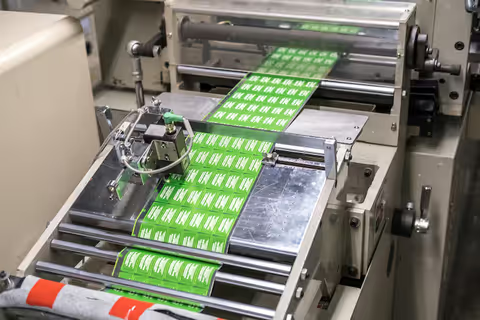
Continuous band sealing systems move packages through heated sealing zones using conveyor mechanisms.
These machines are frequently used in facilities processing large packaging volumes and can be integrated into automated packaging lines.
Vacuum and Modified Packaging Methods
Some PPE packaging environments may use vacuum-assisted packaging techniques to reduce air inside packages.
Although not required for every application, these methods can support specific storage and transportation requirements.
Automated Packaging Integration
Modern PPE production line equipment often combines multiple functions within a single workflow.
Examples include:
- Product counting
- Kit assembly
- Packaging insertion
- Sealing operations
- Label application
- Barcode printing
- Inspection systems
Integrated systems help improve coordination across packaging stages.
Common Types of PPE Packaging Equipment
Different packaging systems are designed for different operational needs.
| Equipment Type | Primary Function |
|---|---|
| Heat Sealing Machine | Creates sealed package closures |
| Band Sealer | Continuous package sealing |
| Vacuum Packaging System | Removes air before sealing |
| Labeling Machine | Applies identification labels |
| Inspection System | Verifies package quality |
| Conveyor System | Transfers products between stages |
These technologies are often combined within turnkey PPE packaging solutions.
Importance in Healthcare and Industry
Healthcare Facilities
Hospitals, clinics, laboratories, and healthcare distribution centers rely on properly packaged protective equipment.
Packaging helps maintain cleanliness and supports inventory organization.
Industrial Workplaces
Manufacturing plants, chemical facilities, and construction environments frequently use protective equipment.
Packaged PPE kits allow organizations to distribute equipment efficiently to workers.
Emergency Preparedness
Government agencies and emergency response organizations often maintain PPE inventories for preparedness purposes.
Sealed packaging supports long-term storage and inventory management.
Research and Laboratory Settings
Laboratories handling biological or chemical materials often require specialized protective equipment.
Proper packaging helps ensure equipment remains protected before use.
Recent Updates
Increased Automation
Recent developments have focused on expanding automation within packaging facilities.
Manufacturers are integrating robotics, automated inspection systems, and intelligent control platforms into packaging lines.
Digital Monitoring Systems
Modern equipment increasingly includes sensors and monitoring tools that track production performance and packaging quality.
These systems help operators identify issues and maintain process consistency.
Smart Production Integration
Packaging equipment is becoming more connected with broader manufacturing systems.
Data sharing between production equipment, packaging lines, and inventory systems supports improved operational visibility.
Sustainable Packaging Trends
Many facilities are exploring packaging materials that reduce environmental impact while maintaining protective performance.
Equipment manufacturers continue adapting machines to accommodate new packaging materials.
Enhanced Quality Verification
Advanced inspection technologies now assist with seal verification, package tracking, and production monitoring.
These developments help support regulatory compliance and quality management practices.
Laws or Policies
Medical Device Packaging Regulations
Many countries regulate how medical and protective products are packaged and labeled.
Organizations packaging PPE products must follow applicable regulatory requirements related to product safety and traceability.
Workplace Safety Standards
Packaging facilities are typically subject to occupational safety regulations governing machinery operation and employee protection.
These standards often address equipment safeguards, training requirements, and workplace procedures.
Quality Management Requirements
Healthcare-related packaging operations may follow recognized quality management frameworks.
These systems help organizations maintain consistent packaging practices and documentation.
Environmental Regulations
Packaging materials and manufacturing processes may be influenced by environmental regulations that encourage waste reduction and responsible material handling.
Equipment Certification Standards
Industrial packaging equipment often undergoes testing and certification processes to demonstrate compliance with relevant safety and performance requirements.
Tools and Resources
Packaging Design Software
Packaging design applications help organizations develop package layouts and optimize material usage.
Production Monitoring Platforms
Digital monitoring tools provide information about machine performance, output levels, and operational efficiency.
Quality Inspection Systems
Inspection technologies support seal verification, package integrity checks, and production documentation.
Regulatory Information Portals
Government and regulatory websites provide information regarding packaging requirements, labeling standards, and compliance expectations.
Equipment Documentation Resources
Technical manuals, maintenance guides, and operator training materials help organizations understand equipment operation and maintenance procedures.
Operational Considerations
Packaging Material Compatibility
Different sealing technologies are designed for specific packaging materials.
Facilities must ensure materials are compatible with machine specifications and production requirements.
Production Capacity
Packaging requirements vary significantly between organizations.
Machine selection often depends on packaging volume, operational workflow, and facility capacity.
Maintenance Requirements
Regular inspection and maintenance help equipment operate reliably.
Common maintenance activities include:
- Seal quality inspection
- Temperature calibration
- Conveyor adjustment
- Sensor verification
- Cleaning procedures
Quality Control Procedures
Quality checks are often performed throughout packaging operations to verify package integrity and consistency.
These procedures support product protection and regulatory compliance.
FAQs
What do PPE kit sealing machine manufacturers produce?
PPE kit sealing machine manufacturers develop equipment used to package and seal personal protective equipment kits for healthcare, industrial, and laboratory applications.
How do automatic PPE kit sealing machines work?
Automatic PPE kit sealing machines use automated controls to position packaging materials, apply seals, and process packaged products with minimal manual intervention.
What are heat sealing machines for PPE kits?
Heat sealing machines for PPE kits use controlled heat and pressure to bond packaging materials together, creating secure package closures.
What equipment is included in PPE production line equipment?
PPE production line equipment may include assembly stations, conveyors, inspection systems, labeling equipment, packaging machinery, and sealing systems.
What are turnkey PPE packaging solutions?
Turnkey PPE packaging solutions generally refer to integrated packaging systems that combine multiple packaging technologies into a coordinated production environment.
Conclusion
PPE kit sealing machines play an important role in packaging protective equipment used across healthcare, industrial, laboratory, and emergency response sectors. These systems help support packaging consistency, product protection, and efficient production workflows. Advances in automation, digital monitoring, and packaging technology continue to shape the development of modern packaging equipment. Understanding these systems provides insight into how protective equipment is prepared for storage, transportation, and distribution.