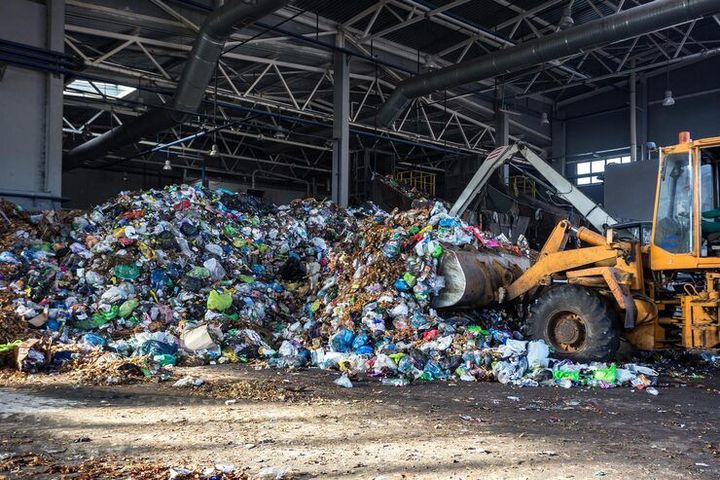
Plastic Recycling Plants: Insights Into Sorting, Washing, Granulation and Material Recovery
Plastic recycling plants are industrial facilities designed to collect, sort, process, and convert discarded plastic into reusable material.
Depending on the plastic type and plant design, the process may include sorting, shredding, washing, drying, size reduction, extrusion, filtration, pelletizing, or other treatment stages. Plastic recycling plants play an important role in material recovery because different plastic products have different physical properties and cannot always be processed together.
Plastic recycling is relevant to packaging, consumer products, construction materials, automotive components, electronics, agriculture, and manufacturing. Understanding how a recycling plant works helps explain how discarded plastics move through a series of mechanical and thermal processes before becoming secondary raw material.
Context
What Are Plastic Recycling Plants?
A plastic recycling plant is a facility where collected plastic waste is processed for material recovery. The plant may handle one plastic category or several categories, depending on its equipment, incoming material, and intended output.
Common materials include polyethylene terephthalate (PET), high-density polyethylene (HDPE), low-density polyethylene (LDPE), polypropylene (PP), and other recyclable polymers. Each material has different melting behavior, density, contamination limits, and processing requirements.
A typical plant may contain several connected stages:
Receiving and initial inspection
Sorting by polymer type, color, or product category
Shredding or granulation
Washing and contamination removal
Mechanical drying
Further separation
Extrusion and melt filtration
Pelletizing
Quality testing
Storage and dispatch of recovered material
Not every facility includes every stage. A plant processing relatively clean industrial scrap may require less washing than a facility receiving mixed post-consumer material.
How Plastic Recycling Works
The process generally starts with receiving and inspecting incoming material for unsuitable items, contamination, moisture, and materials that could affect processing.
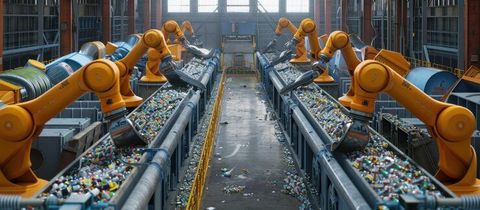
Sorting may be manual, mechanical, or automated. Plastic can then be shredded into flakes, washed, dried, and prepared for extrusion.
In mechanical recycling, clean flakes are melted in an extruder and passed through filtration before being formed into pellets or another usable form.
Main Types of Plastic Recycling Plants
Plants can be grouped according to the material and processing route.
| Plant type | Main input | Typical process focus |
|---|---|---|
| PET recycling plant | Bottles and PET containers | Sorting, washing, flake preparation |
| HDPE recycling plant | Rigid containers and products | Sorting, washing, extrusion |
| LDPE recycling plant | Films and flexible packaging | Film cleaning, drying, pelletizing |
| PP recycling plant | Containers and molded products | Sorting, shredding, extrusion |
| Mixed-plastic plant | Multiple polymer types | Separation and material recovery |
| Industrial scrap plant | Manufacturing plastic waste | Size reduction and reprocessing |
These categories can overlap because some facilities are designed to process more than one polymer while maintaining separate production streams.
Importance
Reducing Material Loss
Large quantities of discarded plastic contain polymer material that can potentially be recovered through suitable processing. Recycling plants separate usable fractions from unwanted materials and convert selected plastics into forms that can enter another manufacturing cycle.
The actual recovery level depends on input quality, polymer type, contamination, plant technology, and process controls. Not every collected plastic item is technically suitable for the same recycling route.
Supporting Circular Material Flows
Plastic recycling creates a connection between waste collection and manufacturing. Recovered pellets, flakes, or reprocessed material can become feedstock for selected plastic products.
This approach can reduce dependence on newly produced polymer for applications where recycled material meets the required technical specifications. Material compatibility and product requirements determine where recovered plastic can be used.
Resource and Energy Planning
Plastic recycling plants use electricity, water, compressed air, heating systems, and material-handling equipment. The amount of each resource depends on the plant design and processing route.
Washing-intensive facilities generally have greater water-management requirements than dry-processing systems. Energy use is also influenced by shredding, drying, extrusion temperature, throughput, and equipment operation.
Recent Updates
Greater Use of Automated Sorting
Recent development in plastic recycling plants has emphasized automated material identification and sorting. Optical systems can identify selected polymer types or colors, while sensors and air jets can direct material into different streams.
Automation does not eliminate the need for inspection. Operators may still be involved in quality checks, equipment supervision, contamination assessment, and process adjustments.
Advanced Washing and Drying
Washing systems continue to evolve through improvements in friction washing, hot washing, water circulation, filtration, and mechanical drying. These systems are particularly relevant for post-consumer plastic containing labels, residues, adhesives, and other contaminants.
Water treatment and recirculation are also important because recycling plants need to manage wastewater generated during cleaning.
Improved Extrusion and Filtration
Extrusion systems are increasingly designed around controlled temperature profiles, melt pressure monitoring, and filtration. Melt filters can remove selected solid contaminants from the polymer stream before pellet formation.
Process controls can help maintain stable operating conditions, although performance depends on material quality, equipment design, and maintenance.
Digital Monitoring
Digital control systems can record throughput, temperatures, pressure, moisture, and other process indicators. These records can help operators identify process changes and investigate variations in material quality.
Laws or Policies
Plastic Waste Management Rules in India
Plastic recycling plants in India operate within the country's plastic waste management framework. The Plastic Waste Management Rules, along with later amendments and related requirements, provide a regulatory structure for plastic waste handling, recycling, processing, and producer responsibilities.
The exact requirements applicable to a facility can depend on its activities, capacity, material category, and location. Plant operators should refer to current government notifications and regulatory guidance when establishing or modifying a facility.
Extended Producer Responsibility
Extended Producer Responsibility, commonly called EPR, places responsibilities on relevant producers, importers, and brand owners for designated plastic packaging. The framework includes mechanisms for collection, recycling, and management of covered plastic waste.
Recycling plants can participate in this broader material-management system where their activities meet applicable registration, documentation, traceability, and processing requirements.
Pollution Control Requirements
Facilities may need authorization or consent from the relevant State Pollution Control Board or other environmental authority depending on their activities and location. Requirements can address wastewater, air emissions, solid residues, noise, and hazardous materials where applicable.
Water used in washing operations may require treatment before discharge or reuse. Sludge, rejected material, filters, and other residues should also be managed according to applicable environmental rules.
Tools and Resources
Shredding and Granulation Equipment
Industrial shredders and granulators reduce plastic products into smaller pieces that can move through washing, separation, or extrusion stages.
Blade configuration, screen size, feed characteristics, and machine settings influence the resulting flake size. Equipment must also be suitable for the incoming material.
Washing and Drying Systems
Washing equipment can include friction washers, float-sink tanks, hot washing systems, centrifuges, and mechanical dryers.
Water quality and contamination levels influence washing performance. Water treatment equipment may be integrated into the plant to support recirculation and residue management.
Extrusion and Pelletizing Systems
Extruders melt and mix plastic under controlled temperature and pressure. Melt filtration can remove selected solid contaminants, while pelletizers convert the processed polymer into smaller standardized pieces.
Laboratory testing equipment can then be used to examine properties such as moisture, melt flow behavior, density, color, contamination, and mechanical characteristics.
Process Documentation
A plant process record can track:
Material type
Incoming material condition
Sorting results
Washing conditions
Moisture levels
Extrusion temperature
Melt pressure
Pellet characteristics
Inspection results
Residue handling
Maintaining these records can help connect processing conditions with recovered-material quality.
FAQs
What do plastic recycling plants do?
Plastic recycling plants receive discarded plastic, sort it by material, remove contaminants, reduce its size, and process selected plastics into flakes, pellets, or other forms of recovered material. The exact process depends on the polymer and incoming material quality.
How does a plastic recycling plant work?
A typical plastic recycling plant moves material through receiving, sorting, shredding, washing, drying, extrusion, filtration, and pelletizing stages. Some plants use only selected stages depending on the type and condition of their input material.
What plastics can be processed in recycling plants?
Commonly processed polymers include PET, HDPE, LDPE, and PP. The ability to process a particular plastic depends on contamination, polymer composition, product design, and the technical configuration of the plant.
What equipment is used in plastic recycling plants?
Typical equipment includes conveyors, shredders, granulators, washing units, dryers, extruders, melt filters, pelletizers, water-treatment systems, and quality-testing instruments.
What rules apply to plastic recycling plants in India?
Plastic recycling plants may be subject to the Plastic Waste Management Rules, EPR requirements, pollution-control regulations, workplace safety provisions, and other local requirements. The applicable framework depends on the facility and material being processed.
Conclusion
Plastic recycling plants use a sequence of sorting, size reduction, cleaning, drying, separation, melting, filtration, and pelletizing processes to recover usable plastic material. Plant design varies according to polymer type, input quality, contamination level, required output, and environmental controls. Recent developments have focused on automated sorting, improved washing, digital monitoring, extrusion control, and processing of diverse plastic streams. In India, plastic waste regulations, EPR requirements, pollution-control provisions, and workplace safety rules shape how recycling facilities are planned and operated.