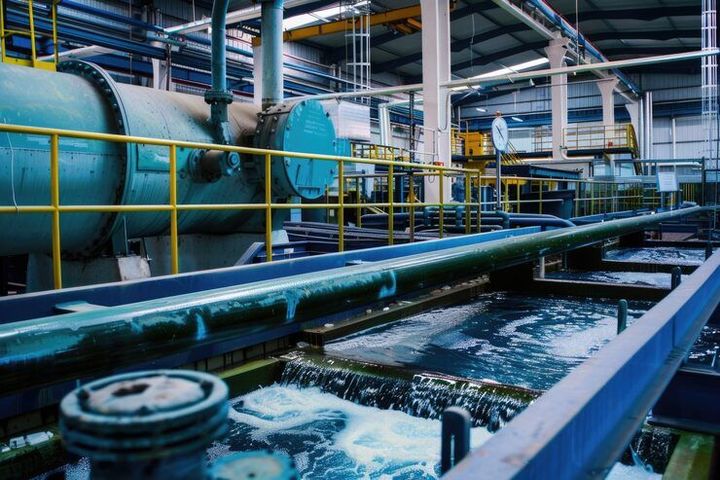
The need for such equipment arises because natural water sources like rivers, lakes, and groundwater often contain impurities. These may include sediments, bacteria, heavy metals, and chemical pollutants. Without treatment, such water may not meet safety standards for consumption or usage.
Water treatment equipment exists to address these challenges. It helps convert raw or contaminated water into a usable form through physical, chemical, or biological processes. Common examples include filtration systems, reverse osmosis units, and ultraviolet purification systems.
Why Water Treatment Equipment Matters Today
Access to clean water is essential for health, economic development, and environmental sustainability. Water treatment equipment plays a key role in achieving this by ensuring water meets quality standards for various uses.
Several global challenges highlight its importance:
-
Increasing water pollution due to industrial and urban activities
-
Growing population leading to higher demand for clean water
-
Climate change affecting water availability and quality
-
Rising awareness about health risks linked to contaminated water
This topic affects a wide range of groups:
-
Households concerned about drinking water quality
-
Industries requiring purified water for processes
-
Governments managing public water supply systems
-
Environmental organizations focused on water conservation
By addressing contamination and improving water quality, water treatment equipment helps prevent diseases, supports industrial efficiency, and protects ecosystems.
Recent Updates and Trends in Water Treatment Equipment
The water treatment sector has seen several developments in the past year, reflecting advancements in technology and sustainability.
In 2025, there has been increased adoption of smart water treatment systems that use sensors and data analytics to monitor water quality in real time. These systems help detect issues quickly and improve operational efficiency.
Another trend is the use of eco-friendly technologies. For example:
-
Membrane filtration systems with reduced energy consumption
-
Advanced oxidation processes for removing complex pollutants
-
Water recycling and reuse systems in urban areas
Governments and organizations have also been investing in decentralized water treatment solutions. These systems are designed for small communities or remote areas where centralized infrastructure may not be available.
Additionally, digital platforms for water management have become more common, allowing better tracking of water usage and treatment performance.
Laws and Policies Affecting Water Treatment Equipment
Water treatment equipment is closely regulated to ensure safety and environmental protection. Different countries have specific standards and policies governing water quality and treatment practices.
In India, for example, water quality is guided by standards from organizations such as the Bureau of Indian Standards (BIS). These standards define acceptable limits for contaminants in drinking water.
Key policy areas include:
-
Drinking water quality standards
-
Industrial wastewater discharge regulations
-
Environmental protection laws
-
Public health guidelines
Government programs also play a role. Initiatives like the Jal Jeevan Mission aim to improve access to safe drinking water in rural areas. Such programs often involve the deployment of water treatment technologies.
Compliance with these regulations ensures that water treatment equipment operates effectively and safely, protecting both human health and the environment.
Tools and Resources for Understanding Water Treatment Equipment
A variety of tools and resources can help individuals and organizations learn about water treatment systems and make informed decisions.
Water Quality Testing Tools
-
Digital water testing kits for measuring pH, hardness, and contaminants
-
Laboratory analysis services for detailed water quality reports
Online Platforms and Educational Resources
-
Government websites providing water quality guidelines
-
Educational portals offering tutorials and case studies
-
Research publications on water treatment technologies
Software and Monitoring Systems
-
Water management software for tracking usage and treatment efficiency
-
IoT-based monitoring systems for real-time data collection
Templates and Calculators
-
Water consumption calculators
-
System design templates for planning treatment setups
These resources support better understanding and implementation of water treatment solutions in different contexts.
Types of Water Treatment Equipment
Below is a simple overview of common types of water treatment equipment and their functions:
| Equipment Type | Function | Common Use Case |
|---|
| Filtration Systems | Remove particles and sediments | Household and industrial use |
| Reverse Osmosis Systems | Remove dissolved salts and impurities | Drinking water purification |
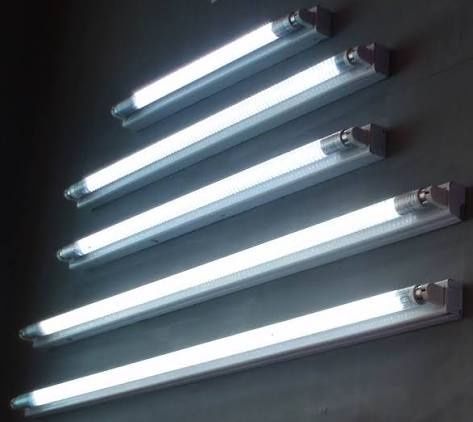
| UV Purifiers | Kill bacteria and viruses | Residential and commercial use |
| Water Softeners | Reduce hardness caused by minerals | Household appliances protection |
| Activated Carbon Filters | Remove chlorine and organic compounds | Taste and odor improvement |
This table provides a basic understanding of how different systems contribute to water treatment processes.
Frequently Asked Questions
What is the main purpose of water treatment equipment?
The main purpose is to improve water quality by removing contaminants, making it safe for drinking, industrial use, or environmental discharge.
How does reverse osmosis work?
Reverse osmosis uses a semi-permeable membrane to remove dissolved salts, chemicals, and impurities from water by applying pressure.
Is water treatment equipment necessary for all households?
It depends on the quality of the local water supply. In areas with contamination or hardness issues, such equipment can help improve water quality.
What are common contaminants removed by these systems?
Common contaminants include bacteria, viruses, sediments, heavy metals, chlorine, and dissolved salts.
How often should water treatment systems be maintained?
Maintenance frequency varies by system type, but regular checks and timely replacement of filters or components are important for effective performance.
Conclusion
Water treatment equipment plays a vital role in ensuring access to clean and safe water. From basic filtration systems to advanced purification technologies, these solutions address a wide range of water quality challenges.
With increasing environmental concerns and growing demand for clean water, the importance of understanding water treatment systems continues to rise. Recent technological advancements and supportive government policies are shaping the future of this field.
By using available tools and resources, individuals and organizations can better understand how water treatment equipment works and how it contributes to health, sustainability, and efficient water management.