The need for lifting equipment arises from the physical limitations of human strength. Handling heavy objects manually can lead to injuries, inefficiency, and operational delays. To solve this, lifting equipment provides mechanical assistance, ensuring that tasks involving weight and height can be completed with precision and reduced risk.
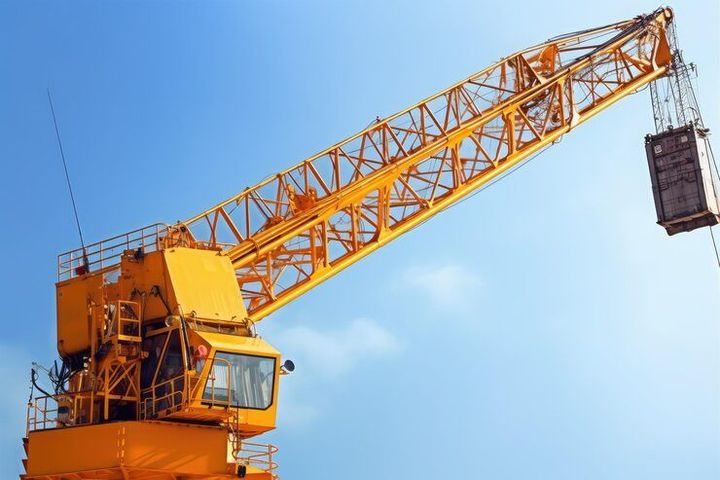
Common examples include cranes, hoists, forklifts, and elevators. Each type is designed for specific applications, whether it is lifting materials on a construction site or transporting goods in a warehouse.
Why Lifting Equipment Matters Today
Lifting equipment plays a critical role in modern infrastructure and industrial operations. Its importance has grown with the increasing scale of construction projects, global trade, and automation.
It affects multiple sectors and helps solve key challenges:
-
Reduces workplace injuries caused by manual lifting
-
Improves productivity by handling heavy loads quickly
-
Enhances precision in material placement
-
Supports large-scale infrastructure development
-
Enables safe operations in hazardous environments
Industries such as construction, shipping, and manufacturing rely heavily on lifting equipment to maintain efficiency and safety standards. Without it, many modern operations would be slower, riskier, and less reliable.
In addition, the rise of smart factories and automated systems has made lifting equipment more advanced, integrating sensors and control systems to improve accuracy and monitoring.
Recent Updates and Trends
Over the past year, lifting equipment has seen several advancements driven by technology and safety awareness.
Technological Innovations (2025)
-
Increased use of IoT-enabled lifting systems that monitor load weight and performance in real time
-
Integration of AI-based predictive maintenance, reducing equipment downtime
-
Development of electric and energy-efficient cranes to reduce environmental impact
Safety Enhancements (2024–2025)
-
Introduction of improved anti-collision systems in cranes
-
Enhanced load monitoring sensors to prevent overloading
-
Adoption of remote operation controls, minimizing operator risk
Industry Trends
-
Growing demand for compact lifting equipment in urban construction
-
Expansion of automated warehouses, increasing forklift and hoist usage
-
Focus on sustainability, with eco-friendly materials and energy-efficient designs
These updates reflect a shift toward smarter, safer, and more environmentally responsible lifting solutions.
Laws and Policies Affecting Lifting Equipment
Lifting equipment is subject to strict regulations to ensure safety and reliability. Different countries have their own standards, but the core principles remain similar.
Key Regulatory Areas
-
Equipment must undergo regular inspections and maintenance
-
Operators must receive proper training and certification
-
Load limits must be clearly defined and followed
-
Safety devices such as brakes and alarms must be functional
Example: India Regulations
In India, lifting equipment is governed by safety laws such as:
-
Factories Act, 1948 – Covers workplace safety and equipment usage
-
Indian Standards (IS codes) – Provide technical guidelines for design and testing
-
Occupational Safety, Health and Working Conditions Code (2020) – Focuses on worker safety and equipment compliance
These regulations ensure that lifting operations are conducted safely, reducing risks to workers and property.
Tools and Resources for Understanding Lifting Equipment
There are several tools and resources that help individuals and organizations manage lifting equipment effectively.
Useful Tools
-
Load calculation calculators to determine safe lifting capacity
-
Maintenance tracking software for inspection schedules
-
Training simulators for equipment operation practice
-
Safety checklists for daily inspections
Educational Resources
-
Industry guidelines and manuals
-
Online training modules for operators
-
Safety handbooks and compliance documents
Example Table: Common Types of Lifting Equipment
| Equipment Type | Primary Use | Key Feature | Common Industry |
|---|
| Crane | Heavy construction lifting | High load capacity | Construction |
| Forklift | Material handling | Mobility and flexibility | Warehousing |
| Hoist | Vertical lifting | Compact and precise | Manufacturing |
| Elevator | Transporting people/goods | Enclosed vertical movement | Buildings |
| Winch | Pulling heavy loads | Cable-based operation | Marine/Industrial |
This table provides a quick overview of commonly used lifting equipment and their applications.
Frequently Asked Questions
What is lifting equipment used for?
Lifting equipment is used to move heavy objects safely and efficiently, reducing manual effort and preventing injuries.
What are the main types of lifting equipment?
The main types include cranes, forklifts, hoists, elevators, and winches, each designed for specific tasks.
Why is safety important in lifting operations?
Safety is crucial because improper use can lead to accidents, injuries, or equipment damage. Proper training and inspections help minimize risks.
How often should lifting equipment be inspected?
Inspection frequency depends on usage and regulations, but regular checks are typically required daily, monthly, and annually.
What skills are needed to operate lifting equipment?
Operators need technical knowledge, safety awareness, and proper training to handle equipment effectively and responsibly.
Conclusion
Lifting equipment is an essential part of modern industry, enabling safe and efficient handling of heavy loads. From construction sites to warehouses, these tools support productivity while reducing physical strain and risks.
With advancements in technology, lifting equipment continues to evolve, offering smarter and safer solutions. At the same time, regulations and safety standards ensure that operations remain controlled and reliable.
Understanding the basics, importance, and latest developments in lifting equipment helps individuals and organizations make informed decisions and maintain safe working environments.