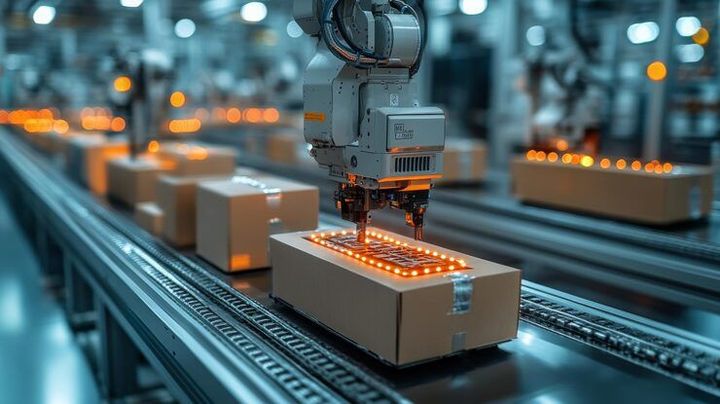
Conveyor sorting systems are automated solutions designed to move and sort items efficiently within industrial environments. They are widely used in sectors such as e-commerce fulfillment, warehouse automation, manufacturing, and distribution centers.
As global supply chains expand and order volumes increase, manual sorting becomes less efficient and more prone to errors. These systems help improve speed, accuracy, and overall operational efficiency.
Key Components of Conveyor Sorting Systems
A typical conveyor sorting system consists of several essential components working together to ensure smooth operations.
-
Conveyor belts or rollers for item movement
-
Sensors such as barcode scanners or RFID readers
-
Sorting devices like pushers, tilt trays, or cross-belt sorters
-
Control systems powered by industrial automation software
These components enable the system to handle various items, including parcels, cartons, and bulk goods efficiently.
Importance of Conveyor Sorting Systems
Conveyor sorting systems play a vital role in modern logistics and supply chain optimization. They support businesses in managing high demand without compromising accuracy or efficiency.
Key Reasons for Growing Importance
Several factors contribute to the increasing adoption of these systems:
-
Rapid growth in e-commerce and last-mile delivery
-
Need for real-time inventory tracking
-
Demand for faster order processing
-
Expansion of global trade networks
Industries That Benefit
Many industries rely on conveyor sorting systems for smooth operations:
-
Retail and e-commerce fulfillment centers
-
Courier and parcel distribution hubs
-
Manufacturing and assembly lines
-
Food and beverage packaging facilities
Problems Solved by These Systems
Conveyor sorting systems address several operational challenges:
-
Inefficiencies in manual sorting
-
Human errors in routing items
-
Delays in shipment processing
-
Difficulty handling high-volume operations
Recent Updates in 2025
Technological advancements in 2025 have significantly improved conveyor sorting systems. These innovations are driven by automation, artificial intelligence, and smart technologies.
Key Developments
-
Integration of AI-powered vision systems
-
Use of IoT-enabled sensors for real-time monitoring
-
Predictive maintenance tools to reduce downtime
-
Robotics-assisted sorting systems
Machine learning algorithms are increasingly used to optimize sorting routes by analyzing historical data. This allows systems to adapt dynamically and improve efficiency.
Emerging Trends
-
Modular conveyor systems for flexible layouts
-
Energy-efficient motors and recyclable materials
-
Use of digital twins for simulation and testing
These trends support scalability, sustainability, and smarter warehouse operations.
Laws and Policies
Conveyor sorting systems must comply with safety, environmental, and industrial regulations. These rules ensure safe operation and minimal environmental impact.
Regulations in India
-
Occupational safety under the Factories Act
-
Bureau of Indian Standards (BIS) guidelines
-
Environmental compliance for emissions and waste
Global Standards
-
ISO 45001 for workplace safety
-
ISO 14001 for environmental management
-
Machinery safety directives in regions like the EU
Key Compliance Requirements
-
Machine guarding and safety barriers
-
Emergency stop systems
-
Noise and vibration control
-
Electrical safety measures
Government initiatives promoting Industry 4.0 also encourage the adoption of automated systems.
Tools and Resources
Various tools and platforms support the implementation and management of conveyor sorting systems. These tools improve efficiency, monitoring, and system performance.
Common Tools
-
Warehouse Management Systems (WMS)
-
Transportation Management Systems (TMS)
-
PLC (Programmable Logic Controller) software
-
SCADA monitoring systems
-
Simulation software
Helpful Resources
-
CAD tools for layout planning
-
Conveyor capacity calculators
-
Automation dashboards
-
Maintenance scheduling software
Sorting Technology Comparison
| Sorting Type | Best Use Case | Speed Level | Accuracy Level |
|---|
| Tilt Tray Sorter | High-speed parcel sorting | High | High |
| Cross-Belt Sorter | Mixed-size items | Very High | Very High |
| Shoe Sorter | Distribution centers | Moderate | High |
| Roller Diverter | Simple routing | Moderate | Moderate |
Basic Workflow
-
Item enters the conveyor system
-
Sensor identifies the item
-
System processes routing data
-
Sorting mechanism directs the item
-
Item reaches the correct destination
Frequently Asked Questions
What is a conveyor sorting system?
A conveyor sorting system is an automated setup that moves and sorts items using conveyors, sensors, and control systems. It improves efficiency in logistics and manufacturing.
How do sensors work in these systems?
Sensors like barcode scanners or RFID readers identify items and send data to the control system. The system then determines the correct sorting path.
Which industries use these systems?
Industries include e-commerce, logistics, manufacturing, food processing, and retail distribution.
What is the difference between manual and automated sorting?
Manual sorting relies on human effort, while automated systems use machines and software to perform tasks faster and more accurately.
Can these systems handle different item sizes?
Yes, advanced systems such as cross-belt sorters can handle a wide range of item sizes and shapes.
Additional Insights and Data Overview
The adoption of conveyor sorting systems continues to grow as industries focus on automation and efficiency. These systems improve productivity and reduce operational costs.
Key Performance Metrics
| Metric | Impact on Operations |
|---|
| Throughput Rate | Determines processing speed |
| Sorting Accuracy | Reduces operational errors |
| Downtime | Affects productivity |
| Energy Consumption | Impacts sustainability |
Future Trends
-
AI-driven automation
-
Robotics integration
-
Real-time analytics
-
Modular and scalable systems
Conclusion
Conveyor sorting systems are essential for modern material handling and industrial automation. They improve efficiency, accuracy, and scalability across multiple industries.
With advancements in AI, IoT, and smart manufacturing, these systems are becoming more intelligent and adaptable. They support data-driven decision-making and sustainable operations.
As global demand continues to grow, conveyor sorting systems will remain a key component in building efficient and reliable supply chains.