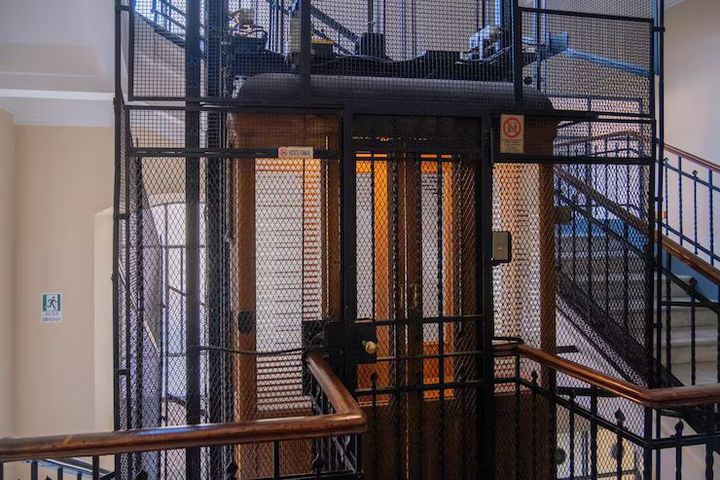
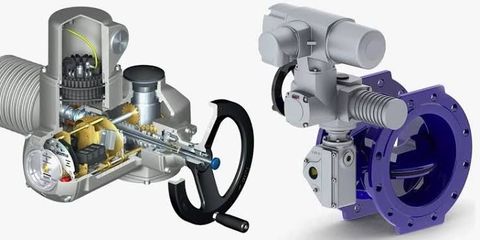
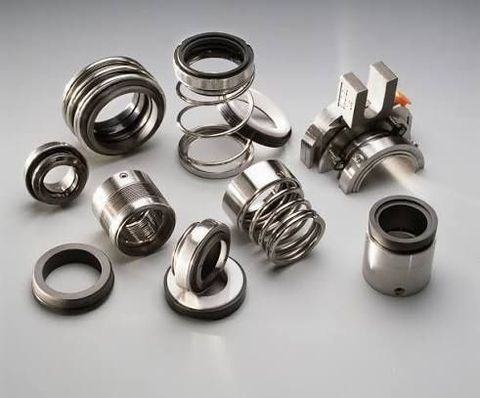
Industrial elevators exist because modern industries require faster movement of goods between floors while maintaining workplace safety and operational efficiency. As industries continue expanding into multi-level facilities, reliable lifting systems have become essential for manufacturing, logistics, and storage operations.
Today’s industrial elevators include advanced technologies such as smart sensors, automated controls, predictive maintenance software, and energy-efficient drive systems. These systems support industries including automotive manufacturing, pharmaceuticals, food processing, construction, mining, and e-commerce warehousing.
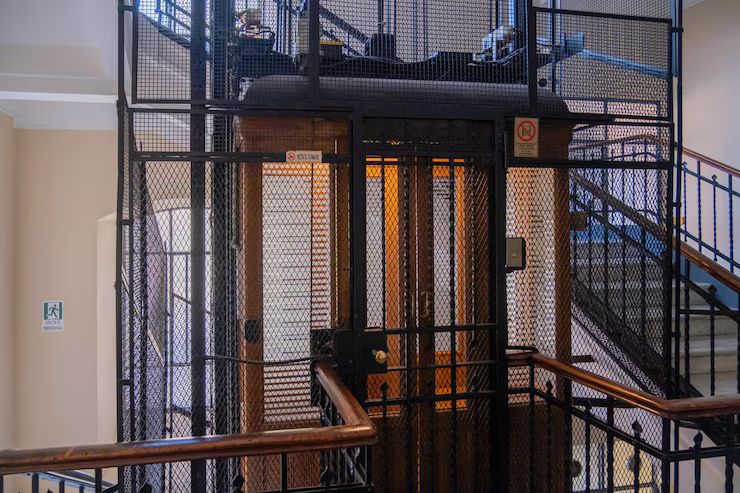
Why Industrial Elevators Matter Today
Industrial elevators play an important role in modern infrastructure and supply chain management. With industries focusing on automation and productivity, vertical transportation systems help reduce manual handling risks and improve operational workflow.
Businesses and organizations depend on industrial elevators for several reasons:
Workplace Safety
Heavy materials can create serious safety risks when moved manually. Industrial elevators reduce physical strain, lower accident risks, and improve compliance with workplace safety guidelines.
Faster Material Handling
Industrial operations rely on efficient movement of inventory and machinery. Elevators reduce delays and support continuous production processes.
Space Optimization
Urban industrial facilities often operate in limited spaces. Multi-story warehouses and factories use industrial elevators to maximize available floor area.
Energy Efficiency
Modern elevator systems are designed with energy-saving motors, regenerative drives, and intelligent standby modes that help reduce electricity consumption.
Support for Automation
Automated warehouses and smart factories integrate elevators with robotics and warehouse management systems for streamlined operations.
Key Types of Industrial Elevators
| Elevator Type | Common Usage | Main Feature |
|---|
| Freight Elevators | Warehouses and factories | Heavy load transportation |
| Hydraulic Elevators | Low-rise industrial buildings | Smooth lifting power |
| Traction Elevators | High-rise facilities | Energy-efficient operation |
| Material Lifts | Manufacturing plants | Fast material movement |
| Automated Vertical Lifts | Smart warehouses | Integrated automation systems |
Industrial Elevator Technology Trends in 2025
Industrial elevator technology has changed significantly over the past year. Several trends have influenced the industry globally.
Smart Monitoring Systems
In 2025, more industrial facilities are using IoT-enabled elevator systems. These systems monitor operational performance in real time and help identify maintenance needs before breakdowns occur.
AI-Based Predictive Maintenance
Artificial intelligence tools are increasingly being used to predict wear and component failure. Predictive maintenance reduces downtime and improves equipment lifespan.
Sustainable Elevator Systems
Many manufacturers introduced energy-efficient elevator systems during 2024 and 2025. Regenerative drive systems can return unused energy back into building power systems.
Improved Safety Sensors
Recent elevator designs now include enhanced load sensors, emergency communication systems, automated braking systems, and fire-resistant control technologies.
Integration With Smart Warehousing
Industrial elevators are becoming part of automated logistics systems. Warehouses now integrate elevators with robotics, conveyor systems, and inventory management software.
Growth of Touchless Controls
Following increased attention to workplace hygiene and operational safety, touchless controls and remote monitoring platforms became more common in industrial facilities during 2025.
Industrial Elevator Safety Standards and Regulations
Industrial elevators are heavily regulated because they directly affect workplace safety and operational compliance.
Different countries have their own regulatory standards, but several international guidelines are widely recognized.
Occupational Safety Regulations
Industrial elevators must comply with workplace safety laws related to:
-
Load capacity limits
-
Emergency braking systems
-
Electrical safety
-
Fire protection measures
-
Inspection schedules
-
Operator training requirements
International Standards
Organizations such as the International Organization for Standardization (ISO) and the American Society of Mechanical Engineers (ASME) publish standards related to elevator safety and maintenance.
Common standards include:
-
ISO 8100 elevator safety standards
-
ASME A17 elevator safety code
-
EN 81 European elevator regulations
Environmental Compliance
Many governments now encourage energy-efficient industrial infrastructure. Elevator manufacturers increasingly follow environmental standards related to energy use and sustainable manufacturing.
Inspection and Certification
Industrial elevators often require periodic inspection by certified professionals. Safety inspections help identify issues involving cables, brakes, motors, electrical systems, and emergency controls.
Digital Compliance Reporting
Several countries introduced digital inspection reporting systems in 2024 and 2025. These platforms help organizations track maintenance records and regulatory compliance more efficiently.
Modern Industrial Elevator Features
Industrial elevators continue evolving with advanced engineering improvements.
Advanced Load Management
Modern systems use smart load balancing to improve lifting efficiency and prevent overloading.
Emergency Backup Systems
Backup battery systems help elevators operate during power failures and emergencies.
Noise Reduction Technology
Improved motor and drive technologies reduce vibration and operational noise in industrial environments.
Remote Diagnostics
Technicians can monitor elevator performance remotely and identify technical problems without on-site inspections.
Cybersecurity Protection
As elevators become connected to industrial networks, cybersecurity protection has become increasingly important in preventing unauthorized system access.
Tools and Resources for Industrial Elevators
Several digital tools and online resources support industrial elevator management, planning, and maintenance.
Elevator Monitoring Software
Monitoring platforms provide:
-
Real-time diagnostics
-
Usage tracking
-
Maintenance scheduling
-
Performance analytics
Building Information Modeling (BIM)
BIM software helps engineers design industrial buildings with integrated elevator systems.
Safety Inspection Apps
Mobile inspection applications allow facility managers to record maintenance logs and inspection reports digitally.
Energy Efficiency Calculators
Energy calculators help businesses estimate electricity usage and operational efficiency improvements.
Technical Documentation Platforms
Manufacturers and engineering organizations provide online technical manuals, safety documentation, and operational guides.
Useful resource categories include:
-
Industrial engineering websites
-
Safety compliance portals
-
Equipment maintenance software
-
Automation management systems
-
Smart warehouse integration platforms
Industrial Elevator Challenges
Although industrial elevators provide many advantages, organizations also face operational challenges.
Maintenance Requirements
Heavy usage increases wear on motors, cables, brakes, and control systems. Regular inspections are essential.
Power Consumption
Older elevator systems may consume significant electricity compared to newer energy-efficient technologies.
Downtime Risks
Unexpected equipment failure can interrupt manufacturing operations and supply chain activities.
Integration Complexity
Modern smart warehouses require elevators to integrate with automation software and robotics systems, which can increase technical complexity.
Environmental Conditions
Industrial elevators often operate in demanding environments involving dust, moisture, chemicals, or extreme temperatures.
Industrial Elevator Applications Across Industries
Industrial elevators support many sectors globally.
Manufacturing Facilities
Factories use elevators to move machinery parts, raw materials, and finished products between production levels.
Warehousing and Logistics
Distribution centers rely on freight elevators for inventory movement and storage management.
Construction Industry
Construction projects use temporary industrial lifts for transporting tools, materials, and equipment.
Mining Operations
Mining facilities use specialized lifting systems designed for harsh environmental conditions.
Food and Pharmaceutical Industries
Sanitary elevator systems support safe handling of products while maintaining hygiene compliance.
Future of Industrial Elevators
The future of industrial elevators is connected closely to automation, sustainability, and smart infrastructure development.
Industry analysts expect continued growth in:
-
AI-based monitoring systems
-
Automated warehouse integration
-
Sustainable elevator engineering
-
Smart building connectivity
-
Predictive maintenance technologies
Advanced robotics and Industry 4.0 systems will likely increase demand for intelligent vertical transportation systems over the next several years.
Frequently Asked Questions
What is the difference between industrial and commercial elevators?
Industrial elevators are designed for heavy-duty material transportation in factories and warehouses, while commercial elevators mainly transport passengers in offices, hotels, and retail buildings.
How often should industrial elevators be inspected?
Inspection schedules depend on local regulations and usage levels, but many industrial systems require periodic inspections every few months or annually.
Are industrial elevators energy efficient?
Modern industrial elevators include energy-saving technologies such as regenerative drives and smart standby systems that improve efficiency.
What industries commonly use industrial elevators?
Industries including manufacturing, logistics, pharmaceuticals, mining, food processing, and construction frequently use industrial elevators.
Can industrial elevators work with automated warehouse systems?
Yes. Many modern elevators integrate with robotics, conveyor systems, and warehouse management software for automated operations.
Conclusion
Industrial elevators remain a critical part of modern industrial infrastructure. They support safer workplaces, faster material handling, and improved operational efficiency across multiple industries. Recent developments in automation, AI monitoring, sustainability, and smart building integration continue shaping the future of industrial elevator systems.
As industries increasingly adopt digital transformation and advanced logistics solutions, industrial elevators will continue evolving into smarter, safer, and more energy-efficient systems that support modern manufacturing and infrastructure growth.