Industrial Lubrication Systems Overview for Modern Manufacturing Efficiency
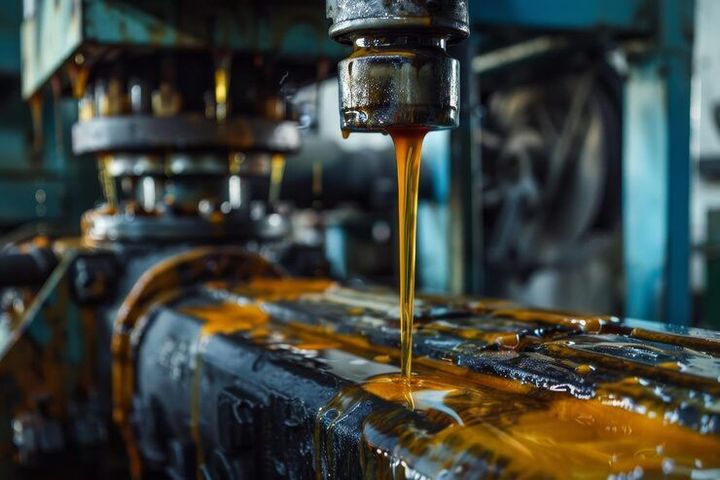
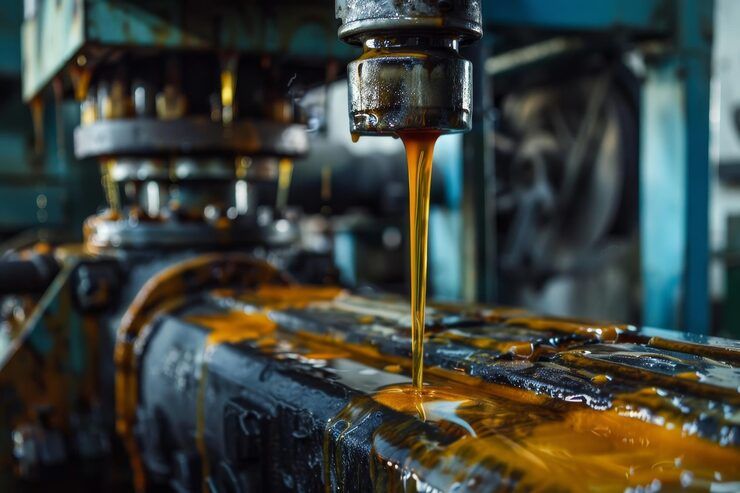
Industrial lubrication systems are mechanical setups designed to deliver lubricants such as oil or grease to machinery components during operation. These systems help reduce friction, minimize wear, manage heat, and improve machine efficiency in industrial environments.
Industries such as manufacturing, mining, automotive production, food processing, construction, and energy generation depend on lubrication systems to maintain consistent machine performance. Modern factories use automated lubrication technologies to improve precision and reduce manual maintenance tasks.
Lubrication systems exist because industrial equipment operates under high pressure, high temperature, and continuous movement. Without proper lubrication, machinery can experience overheating, corrosion, excessive vibration, and premature failure.
Common lubrication systems include:
Centralized Lubrication Systems
These systems automatically distribute lubricant from a central reservoir to multiple machine points.
Oil Circulation Systems
Oil continuously circulates through machine components to reduce friction and cool equipment.
Grease Lubrication Systems
Grease-based systems are commonly used in heavy-duty machinery and high-load applications.
Automatic Lubrication Systems
Automated systems use timers, sensors, and pumps to apply lubricant at scheduled intervals.
Why Industrial Lubrication Systems Matter Today
Industrial lubrication systems are increasingly important because industries now rely heavily on automation, precision manufacturing, and energy-efficient machinery. Equipment downtime can interrupt production schedules and increase operational risks.
Proper lubrication supports several important industrial goals:
- Improved equipment lifespan
- Reduced mechanical wear
- Lower maintenance interruptions
- Better energy efficiency
- Safer operating conditions
- Reduced environmental contamination
Industrial plants often operate 24 hours a day, making machine reliability essential. Lubrication systems help prevent unexpected failures in motors, conveyors, compressors, turbines, and hydraulic systems.
The topic also affects:
- Factory operators
- Maintenance engineers
- Manufacturing companies
- Energy facilities
- Transportation infrastructure
- Heavy equipment industries
In recent years, industries have focused more on predictive maintenance. Lubrication systems equipped with sensors can now monitor lubricant flow, pressure, and temperature in real time.
Industrial Lubrication System Types and Applications
| Lubrication System Type | Common Application | Main Benefit |
|---|---|---|
| Centralized Lubrication | Manufacturing plants | Consistent lubrication |
| Oil Mist Systems | High-speed bearings | Reduced heat buildup |
| Grease Systems | Heavy machinery | Strong wear protection |
| Automatic Lubrication | Conveyor systems | Reduced manual maintenance |
| Oil Circulation Systems | Turbines and compressors | Continuous cooling and lubrication |
Recent Updates and Trends in Industrial Lubrication Systems
Industrial lubrication technology has changed significantly during 2025 and late 2024 due to the rise of Industry 4.0 and smart manufacturing systems.
Smart Monitoring Technologies
Many manufacturers now integrate IoT-based lubrication monitoring systems into industrial equipment. These systems use sensors to track lubricant quality, temperature, and pressure.
Predictive analytics platforms can alert operators before lubrication-related failures occur.
Sustainable Lubrication Practices
Environmental concerns have encouraged industries to adopt biodegradable lubricants and low-emission lubrication methods. Several companies introduced environmentally safer industrial oils during 2025.
AI-Assisted Maintenance Systems
Artificial intelligence is increasingly used in predictive maintenance software. AI tools analyze machine vibration and lubricant conditions to estimate equipment health.
Energy Efficiency Focus
Governments and industrial organizations continue encouraging energy-efficient manufacturing processes. Efficient lubrication reduces energy loss caused by friction inside industrial machinery.
Expansion of Automated Manufacturing
Automation growth in sectors like automotive manufacturing and semiconductor production has increased demand for precision lubrication systems.
Regulations and Policies Affecting Industrial Lubrication Systems
Industrial lubrication systems are affected by workplace safety standards, environmental regulations, and machinery maintenance guidelines in many countries.
Workplace Safety Regulations
Organizations such as the Occupational Safety and Health Administration establish machinery safety standards related to lubrication handling and equipment operation.
Industrial workers handling lubricants must follow proper storage, labeling, and contamination prevention procedures.
Environmental Protection Policies
Governments increasingly regulate industrial waste disposal and lubricant leakage prevention. Improper lubricant disposal may affect soil and water quality.
Environmental agencies encourage:
- Leak prevention systems
- Safe lubricant disposal
- Reduced chemical emissions
- Sustainable lubricant usage
ISO Maintenance Standards
Many industries follow ISO standards related to machinery maintenance and lubrication management. ISO-based maintenance practices help improve equipment reliability and workplace safety.
Energy Efficiency Programs
Some countries support industrial modernization initiatives encouraging smart manufacturing technologies and efficient machine operation.
These programs indirectly increase demand for automated lubrication technologies.
Helpful Tools and Resources for Industrial Lubrication Systems
Modern industrial maintenance teams use various digital tools and monitoring platforms to improve lubrication management.
Lubrication Monitoring Software
These platforms track lubricant schedules, machine conditions, and maintenance records.
Examples include:
- Predictive maintenance dashboards
- Oil analysis reporting systems
- Equipment monitoring platforms
Vibration Analysis Tools
These tools identify mechanical issues caused by poor lubrication conditions.
Oil Analysis Laboratories
Industrial facilities often use oil testing laboratories to evaluate contamination levels, viscosity, and lubricant degradation.
Maintenance Management Systems
Computerized Maintenance Management Systems (CMMS) help industries schedule lubrication tasks and maintain maintenance histories.
Training and Educational Resources
Useful learning resources include:
- Industrial engineering websites
- Manufacturing technology journals
- Equipment manufacturer manuals
- Technical maintenance webinars
- Industry safety guidelines
Common Challenges in Industrial Lubrication
Industrial facilities often experience lubrication-related issues that affect machinery performance.
Over-Lubrication
Applying too much lubricant may increase heat and pressure inside bearings.
Under-Lubrication
Insufficient lubrication increases friction and accelerates component wear.
Contamination Problems
Dust, water, and metal particles can contaminate lubricants and damage machinery.
Incorrect Lubricant Selection
Using the wrong lubricant type may reduce efficiency and increase maintenance risks.
Inconsistent Maintenance Practices
Irregular lubrication schedules can shorten equipment lifespan.
Maintenance Tips for Better Lubrication Performance
Proper lubrication management can improve industrial productivity and equipment stability.
Follow Manufacturer Guidelines
Machine manufacturers provide recommended lubricant specifications and maintenance intervals.
Monitor Lubricant Quality
Routine oil analysis helps identify contamination and performance issues early.
Use Automated Systems Where Appropriate
Automatic lubrication systems reduce human error and improve consistency.
Train Maintenance Teams
Well-trained maintenance staff can identify lubrication issues before they become major failures.
Inspect Equipment Regularly
Routine inspections help detect leaks, unusual vibration, and overheating.
Frequently Asked Questions
What is the main purpose of an industrial lubrication system?
The main purpose is to reduce friction between moving machine parts, helping improve efficiency, reduce wear, and extend equipment lifespan.
Which industries commonly use lubrication systems?
Industries such as manufacturing, mining, automotive production, food processing, energy generation, and construction commonly use industrial lubrication systems.
What happens if machinery is not properly lubricated?
Improper lubrication may cause overheating, excessive wear, corrosion, vibration, and unexpected equipment failure.
Are automatic lubrication systems better than manual systems?
Automatic systems provide more consistent lubrication and reduce maintenance errors, especially in large industrial operations.
Why is lubricant contamination dangerous?
Contaminated lubricants can damage machine components, reduce efficiency, and increase maintenance problems.
Conclusion
Industrial lubrication systems play a critical role in modern industrial operations by supporting equipment reliability, efficiency, and workplace safety. As industries continue adopting automation and smart manufacturing technologies, lubrication systems are becoming more advanced and data-driven.
Recent developments in AI monitoring, predictive maintenance, and sustainable lubrication practices show how industrial maintenance strategies are evolving. At the same time, environmental regulations and safety standards continue influencing lubrication management across multiple sectors.
Understanding lubrication systems helps industries improve machine performance, reduce downtime, and support long-term operational stability. Proper maintenance, regular monitoring, and informed lubricant selection remain essential for effective industrial equipment management.