Industrial Process Plants for Efficient Industrial Growth
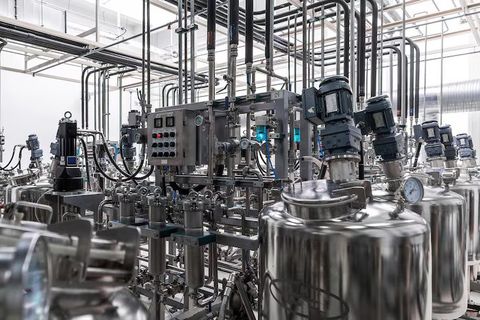
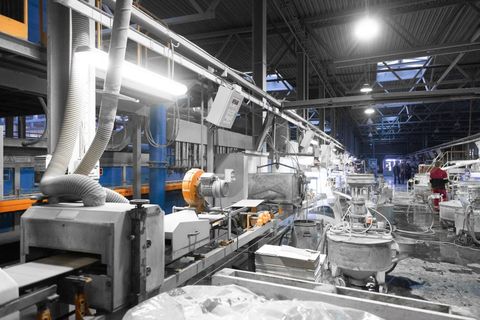
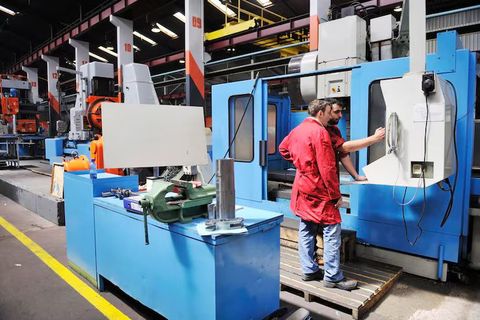
Industrial process plants are large manufacturing facilities where raw materials are transformed into useful products through a series of controlled processes. These plants combine machinery, automation systems, engineering methods, and monitoring technologies to maintain consistent production while ensuring quality and safety.
They exist because industries require organized systems capable of producing materials at large volumes with reliable quality. Instead of depending on manual operations, process plants integrate multiple stages such as material handling, processing, quality inspection, packaging, and environmental management into one coordinated workflow.
Industrial process plants are found across many sectors, including:
| Industry | Typical Products |
|---|---|
| Chemical Manufacturing | Industrial chemicals and specialty compounds |
| Food Processing | Packaged foods and beverages |
| Pharmaceutical Manufacturing | Medicines and healthcare products |
| Oil and Gas | Fuels and refined petroleum products |
| Water Treatment | Clean industrial and municipal water |
| Metal Processing | Steel, aluminum, and industrial alloys |
| Paper Manufacturing | Paper products and packaging materials |
| Cement Manufacturing | Construction materials |
Modern industrial process plants increasingly rely on industrial automation, digital monitoring, predictive maintenance, industrial control systems, and process optimization to improve productivity while maintaining operational stability.
Why Industrial Process Plants Matter Today
Industrial process plants play an important role in supporting manufacturing, infrastructure, healthcare, agriculture, transportation, and energy production. As global demand for products continues to increase, manufacturers require efficient production systems capable of maintaining quality while reducing waste.
Some of the major reasons these facilities are important include:
- Higher production efficiency through automated operations
- Improved product consistency
- Better quality control
- Reduced material waste
- Enhanced workplace safety
- Lower energy consumption through optimized processes
- Reliable production scheduling
- Improved environmental management
Industries are also facing challenges such as rising energy demand, stricter environmental expectations, increasing production complexity, and skilled workforce shortages. Modern industrial process plants help address these challenges through digital transformation and intelligent manufacturing technologies.
Organizations involved in engineering, manufacturing, production planning, maintenance, industrial automation, environmental monitoring, and quality management all benefit from improvements in industrial process plant operations.
High-value industrial topics such as industrial automation systems, process engineering, manufacturing technology, predictive maintenance, industrial IoT, digital manufacturing, industrial data analytics, energy efficiency, and process optimization continue to gain attention because they contribute to long-term operational improvements.
Recent Updates in Industrial Process Plants
During 2025 and 2026, several important developments have influenced industrial process plants worldwide.
One major trend is the growing adoption of Industrial Internet of Things (IIoT) technologies. Connected sensors now provide continuous monitoring of equipment performance, allowing maintenance teams to identify issues before unexpected failures occur.
Artificial intelligence has also become more common in manufacturing environments. AI-based monitoring systems analyze operational data, helping engineers improve production planning, detect abnormalities, and increase equipment reliability.
Digital twin technology has expanded across many industrial sectors. A digital twin creates a virtual model of equipment or an entire production facility, allowing engineers to simulate operations, improve efficiency, and evaluate process changes before implementation.
Sustainability remains another important priority. Throughout 2025, many manufacturers increased investments in:
- Energy-efficient equipment
- Water conservation systems
- Waste reduction programs
- Carbon emission monitoring
- Renewable energy integration
Cybersecurity has received greater attention as industrial control systems become more connected. Organizations are strengthening network security, employee awareness, and industrial cybersecurity practices to protect operational technology environments.
Another growing trend is predictive maintenance. Instead of repairing equipment only after breakdowns occur, manufacturers increasingly use real-time sensor data and machine learning to predict maintenance needs, reducing downtime and improving equipment lifespan.
Advanced robotics also continue to expand in industrial production environments, supporting repetitive manufacturing tasks while improving consistency and workplace safety.
Laws and Policies Affecting Industrial Process Plants
Industrial process plants operate within regulatory frameworks designed to protect workers, surrounding communities, and the environment.
Although regulations differ between countries, most industrial facilities follow similar categories of requirements.
Environmental Regulations
Governments establish environmental standards covering:
- Air emissions
- Water discharge
- Industrial waste management
- Hazardous material handling
- Pollution monitoring
Manufacturers are generally expected to monitor environmental performance and maintain records demonstrating compliance.
Workplace Safety Regulations
Safety regulations typically require organizations to:
- Conduct workplace risk assessments
- Maintain emergency response plans
- Provide employee safety training
- Inspect industrial equipment regularly
- Use appropriate protective equipment
- Report significant workplace incidents
Energy Efficiency Programs
Many governments encourage industries to improve energy performance through industrial energy management programs and sustainability initiatives. These programs often promote efficient equipment, process optimization, and energy monitoring practices.
Industrial Standards
Many manufacturing facilities also follow internationally recognized industrial management frameworks covering:
- Quality management
- Environmental management
- Occupational health and safety
- Information security
- Process safety management
These standards help improve operational consistency while supporting long-term manufacturing performance.
Tools and Resources for Industrial Process Plants
Modern industrial facilities rely on many digital and engineering resources to improve efficiency and maintain safe operations.
| Tool or Resource | Purpose |
|---|---|
| Process Simulation Software | Models production processes before implementation |
| Industrial Automation Platforms | Monitor and control manufacturing operations |
| Predictive Maintenance Systems | Identify equipment issues early |
| Industrial Data Dashboards | Display real-time production information |
| Energy Monitoring Tools | Track electricity and resource consumption |
| Maintenance Planning Templates | Organize inspection schedules |
| Risk Assessment Checklists | Improve workplace safety planning |
| Production Performance Calculators | Measure operational efficiency |
| Process Flow Diagram Templates | Visualize manufacturing systems |
| Engineering Learning Resources | Build technical knowledge and operational skills |
These resources help engineers, plant managers, maintenance teams, quality professionals, and production planners make informed operational decisions.
Frequently Asked Questions
What is an industrial process plant?
An industrial process plant is a manufacturing facility where raw materials are converted into finished products through controlled production processes involving machinery, automation, and quality management systems.
Which industries commonly use industrial process plants?
Industrial process plants are widely used in chemical manufacturing, food processing, pharmaceuticals, oil and gas, water treatment, metals, cement production, paper manufacturing, and many other industrial sectors.
Why is automation important in industrial process plants?
Automation improves production consistency, reduces manual errors, increases efficiency, supports workplace safety, enables continuous monitoring, and helps manufacturers optimize operations using real-time information.
What is predictive maintenance?
Predictive maintenance uses equipment data, sensors, and analytical software to estimate when maintenance should be performed before equipment experiences unexpected failures, reducing downtime and improving reliability.
How are industrial process plants becoming more sustainable?
Manufacturers are improving sustainability by reducing energy consumption, monitoring emissions, conserving water, minimizing waste generation, increasing recycling efforts, and adopting cleaner production technologies.
Conclusion
Industrial process plants remain essential to modern manufacturing and industrial development. They provide structured production environments that transform raw materials into valuable products while supporting quality, efficiency, and workplace safety.