Industrial Flotation Machine Manufacturers Guide: Types, Applications & Benefits
Industrial flotation machines are specialized equipment used to separate valuable minerals from unwanted materials through the flotation process. This technology has been an essential part of mineral processing for many decades and continues to evolve with improvements in engineering, automation, and energy efficiency.
Manufacturers design flotation machines to process different types of ores, industrial minerals, recycled materials, and wastewater applications. The equipment operates by introducing air bubbles into a liquid mixture. Valuable particles attach to these bubbles and rise to the surface, while heavier unwanted particles remain below.
Modern industrial flotation machine manufacturers focus on improving operational stability, reducing energy consumption, increasing processing capacity, and supporting digital monitoring systems. These improvements help industries maintain consistent production while improving process efficiency.
Flotation technology exists because traditional separation methods cannot efficiently recover many fine mineral particles. The flotation process provides a reliable solution for separating materials with different surface properties, making it one of the most widely used mineral processing techniques worldwide.
Importance
Industrial flotation machines have become an important part of modern mining and mineral processing operations. They contribute to efficient resource utilization while supporting industries that rely on refined minerals and processed raw materials.
Major industries that use flotation machines include:
- Mining and mineral processing
- Copper processing
- Gold extraction
- Lead and zinc production
- Nickel processing
- Phosphate processing
- Coal preparation
- Industrial mineral production
- Recycling industries
- Wastewater treatment
The importance of flotation machines continues to increase because industries require higher recovery rates from lower-grade ores. As mineral deposits become more complex, efficient separation technologies become increasingly valuable.
Key Benefits
| Benefit | Description |
|---|---|
| Higher Recovery | Improves recovery of valuable minerals from ore. |
| Better Separation | Separates useful minerals from waste materials effectively. |
| Improved Productivity | Supports continuous industrial processing. |
| Energy Efficiency | Modern designs reduce unnecessary energy consumption. |
| Automation Support | Compatible with digital monitoring and process control. |
| Flexible Applications | Suitable for various mineral and industrial materials. |
Industrial flotation equipment also helps reduce material losses during processing. Better recovery means more efficient use of natural resources, which supports sustainable industrial development.
The growing demand for metals used in renewable energy systems, electric vehicles, infrastructure, and advanced manufacturing has increased the importance of reliable flotation technology.
Recent Updates
Industrial flotation machine technology has experienced several developments during the past year as manufacturers continue improving equipment performance.
Recent industry trends include:
- Increased adoption of automated process monitoring during 2025.
- Greater use of digital sensors for real-time performance analysis.
- Improved air distribution systems for more consistent flotation performance.
- Development of larger flotation cells capable of handling higher processing capacities.
- Enhanced energy-efficient motor systems to reduce operational energy consumption.
- Greater integration of predictive maintenance technologies.
- Improved wear-resistant materials that extend equipment lifespan.
- Increased interest in environmentally responsible mineral processing technologies.
Manufacturers are also introducing advanced software systems that monitor air flow, slurry levels, reagent performance, and mineral recovery. These technologies assist operators in maintaining stable processing conditions.
Another noticeable trend during 2025 has been the increased focus on processing lower-grade mineral deposits. Modern flotation equipment is being designed to maximize recovery even when ore quality varies significantly.
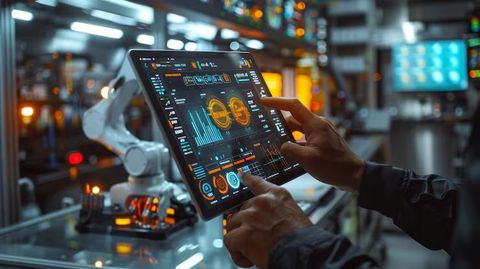
Automation and industrial digitalization continue influencing flotation system design, allowing operators to monitor production more efficiently while improving operational consistency.
Laws or Policies
Industrial flotation machine operation is influenced by environmental, workplace safety, and industrial manufacturing regulations. Requirements differ between countries, but several common regulatory areas apply globally.
Typical regulatory considerations include:
- Workplace health and safety requirements for industrial equipment.
- Environmental protection regulations related to mining operations.
- Wastewater discharge standards.
- Dust and emission management practices.
- Industrial machinery safety standards.
- Electrical safety compliance.
- Equipment inspection and maintenance requirements.
Many countries also require mining operations to obtain environmental approvals before processing mineral resources. Flotation systems used in mining operations often form part of broader environmental management plans.
Industrial facilities generally implement operational procedures covering:
- Safe equipment operation
- Preventive maintenance
- Emergency response planning
- Worker safety training
- Environmental monitoring
- Waste management practices
Manufacturers typically design flotation machines to support compliance with applicable industrial machinery standards while allowing operators to meet local regulatory requirements.
Tools and Resources
Various tools and resources help engineers, operators, researchers, and students better understand flotation technology and mineral processing.
Helpful resources include:
- Mineral recovery calculators
- Equipment sizing calculators
- Process flow diagram templates
- Maintenance inspection checklists
- Engineering design software
- Process simulation tools
- Industrial safety documentation templates
- Equipment performance monitoring systems
- Production reporting templates
- Technical training materials
- Engineering handbooks
- Industry publications
- Laboratory testing guides
- Process optimization worksheets
Useful Technical Measurements
| Measurement | Purpose |
| Air Flow Rate | Evaluates flotation performance. |
| Slurry Density | Helps maintain process stability. |
| Particle Size | Determines separation efficiency. |
| Recovery Percentage | Measures mineral recovery performance. |
| Pulp Level | Supports operational consistency. |
| Power Consumption | Tracks equipment efficiency. |
These resources help operators monitor flotation performance while improving operational efficiency and equipment reliability.
Frequently Asked Questions
What is an industrial flotation machine?
An industrial flotation machine is equipment used to separate valuable minerals from unwanted materials by attaching mineral particles to air bubbles, allowing efficient recovery during mineral processing.
Which industries commonly use flotation machines?
Mining, mineral processing, coal preparation, phosphate production, recycling, industrial minerals, and wastewater treatment industries commonly use flotation machines.
What are the main types of flotation machines?
Common types include mechanical flotation machines, pneumatic flotation machines, column flotation machines, forced-air flotation systems, and self-aspirated flotation machines. Each type is designed for different processing requirements and material characteristics.
Why is flotation technology important?
Flotation technology improves mineral recovery, increases processing efficiency, reduces material losses, supports resource utilization, and enables separation of fine mineral particles that traditional methods cannot efficiently process.
What factors influence flotation performance?
Several factors affect flotation performance, including particle size, air flow, reagent selection, slurry density, flotation cell design, mineral characteristics, operating conditions, and process control.
Conclusion
Industrial flotation machines remain one of the most important technologies in mineral processing and industrial material separation. Their ability to recover valuable minerals efficiently makes them essential across numerous industries, including mining, recycling, industrial minerals, and wastewater treatment.