Industrial Plastic Mold Polishing Machines: Working Principles, Technology & Selection Guide
Industrial plastic mold polishing machines are specialized manufacturing equipment designed to improve the surface finish of plastic injection molds. A polished mold creates smoother plastic components, reduces visible defects, and helps manufacturers produce consistent products across different industries.
Plastic injection molding is widely used to manufacture automotive parts, medical equipment, consumer electronics, household products, packaging materials, and industrial components. Since molds are used repeatedly during production, their surfaces gradually develop scratches, wear marks, and minor imperfections. Mold polishing machines were developed to restore these surfaces while maintaining dimensional accuracy.
Traditional polishing depended heavily on manual techniques, requiring skilled workers and significant time. Modern polishing technology combines precision engineering, automation, programmable controls, robotic movement, and advanced abrasive systems to achieve highly consistent results.
Industrial Plastic Mold Polishing Machines now support various polishing methods depending on the material, surface quality requirements, and production volume. These may include:
| Polishing Method | Primary Purpose | Typical Application |
|---|---|---|
| Mechanical Polishing | Smooth surface finishing | General mold manufacturing |
| CNC Polishing | Precision automated finishing | Complex mold geometries |
| Ultrasonic Polishing | Fine-detail polishing | Small cavities and corners |
| Magnetic Polishing | Uniform finishing | Intricate mold surfaces |
| Robotic Polishing | Automated production | High-volume manufacturing |
These technologies help manufacturers achieve improved mold performance while reducing manual effort and maintaining consistent production quality.
Importance
Industrial Plastic Mold Polishing Machines have become increasingly valuable because manufacturing industries demand better product quality, higher productivity, and improved process consistency.
A polished mold directly affects the appearance of finished plastic products. Smooth mold surfaces reduce visible flow marks, scratches, sink marks, and other cosmetic imperfections that can affect customer satisfaction.
These machines are important for several reasons:
- Improve surface finish quality
- Increase mold lifespan
- Reduce production interruptions
- Enhance dimensional consistency
- Support precision manufacturing
- Improve production efficiency
- Reduce manual polishing variation
- Help achieve repeatable polishing results
Many industries depend on high-quality mold finishes.
| Industry | Importance of Mold Polishing |
|---|---|
| Automotive | Better appearance of interior and exterior plastic parts |
| Medical Devices | Smooth hygienic surfaces with precise dimensions |
| Consumer Electronics | Premium cosmetic finish |
| Packaging | High-quality transparent containers |
| Aerospace | Precision molded engineering components |
| Industrial Equipment | Long-lasting production molds |
As manufacturing becomes more automated, companies continue adopting CNC mold polishing, robotic polishing systems, precision finishing technology, and digital manufacturing workflows to improve overall production quality.
Recent Updates
During the past year, manufacturing technology has continued evolving with greater emphasis on automation, smart production, and digital process control.
Several notable developments have influenced Industrial Plastic Mold Polishing Machines during 2025 and 2026.
Artificial Intelligence is increasingly being integrated into automated polishing systems. AI-assisted monitoring helps adjust polishing parameters based on surface conditions, reducing inconsistencies during long production cycles.
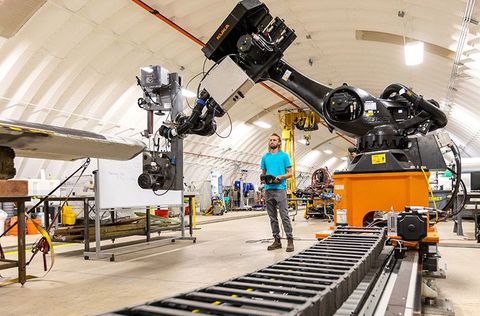
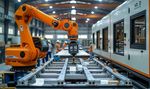
Robotic polishing systems continue becoming more capable of handling complex mold geometries. Multi-axis robotic arms can now polish intricate mold cavities that were previously difficult to finish manually.
Digital inspection systems using optical scanning have also improved quality verification. These systems compare mold surfaces against digital models before production begins.
Manufacturers are also adopting:
- Smart sensors for process monitoring
- Digital surface roughness measurement
- Automated polishing path optimization
- Predictive maintenance systems
- Energy-efficient polishing motors
- Improved abrasive materials
- Cloud-based production monitoring
- Data-driven quality control
Another growing trend is hybrid manufacturing, where CNC machining and automated polishing are combined within integrated production workflows. This reduces setup time while improving manufacturing accuracy.
Sustainability has also become an important focus. Many newer polishing machines are designed to reduce energy consumption, minimize abrasive waste, and improve operational efficiency.
Laws or Policies
Industrial Plastic Mold Polishing Machines operate within broader manufacturing regulations that promote workplace safety, equipment reliability, and environmental responsibility.
Although regulations vary by country, manufacturers commonly follow standards related to:
- Industrial workplace safety
- Machine guarding requirements
- Electrical safety compliance
- Noise reduction practices
- Dust collection systems
- Environmental protection
- Worker training
- Equipment maintenance documentation
Many governments encourage manufacturers to adopt modern industrial automation as part of national manufacturing development programs.
Environmental regulations increasingly focus on reducing industrial emissions, controlling polishing dust, and improving waste management during manufacturing operations.
Quality management systems often require manufacturers to document production procedures, equipment maintenance schedules, inspection records, and calibration activities.
Companies producing molds for regulated industries such as medical devices or automotive manufacturing may also follow additional quality management frameworks to maintain consistent production standards.
Understanding local industrial regulations helps manufacturers operate safely while maintaining production quality and environmental responsibility.
Tools and Resources
Various tools and digital resources help engineers, manufacturers, and production planners improve mold polishing operations.
Useful resources include:
- Surface roughness measurement instruments
- Digital inspection software
- CAD modeling applications
- CAM programming software
- CNC simulation tools
- Production planning templates
- Maintenance scheduling software
- Equipment monitoring dashboards
- Industrial engineering calculators
- Manufacturing process documentation templates
Helpful learning resources may include:
- Technical manufacturing manuals
- Engineering training materials
- Manufacturing research publications
- Industrial standards documentation
- Professional engineering courses
- Automation learning platforms
Common evaluation factors when selecting a mold polishing machine include:
| Selection Factor | Why It Matters |
|---|---|
| Mold Size | Determines machine capacity |
| Material Compatibility | Supports different mold steels |
| Automation Level | Improves production efficiency |
| Surface Finish Requirement | Determines polishing capability |
| Machine Accuracy | Supports precision manufacturing |
| Maintenance Needs | Reduces production downtime |
| Control System | Simplifies machine operation |
| Energy Efficiency | Supports sustainable manufacturing |
Choosing equipment based on production requirements rather than maximum specifications often results in more efficient manufacturing operations.
FAQs
What is an industrial plastic mold polishing machine?
It is a manufacturing machine designed to improve the surface finish of plastic injection molds using automated or precision polishing techniques.
Why is mold polishing important?
Polishing improves mold quality, extends mold lifespan, enhances product appearance, reduces defects, and supports consistent manufacturing.
Which industries commonly use mold polishing machines?
Automotive, medical device manufacturing, consumer electronics, aerospace, industrial equipment, packaging, and precision engineering industries frequently use these machines.
What technologies are used in modern mold polishing?
Modern systems may use CNC control, robotic automation, ultrasonic polishing, magnetic polishing, optical inspection, AI-assisted monitoring, and digital quality measurement.
How should manufacturers evaluate a mold polishing machine?
Important considerations include mold size compatibility, machine precision, automation features, surface finish capability, maintenance requirements, software compatibility, and long-term production needs.
Conclusion
Industrial Plastic Mold Polishing Machines continue to play an essential role in modern precision manufacturing. As industries demand higher product quality, greater production efficiency, and improved consistency, polishing technology has advanced from traditional manual techniques to sophisticated automated systems.