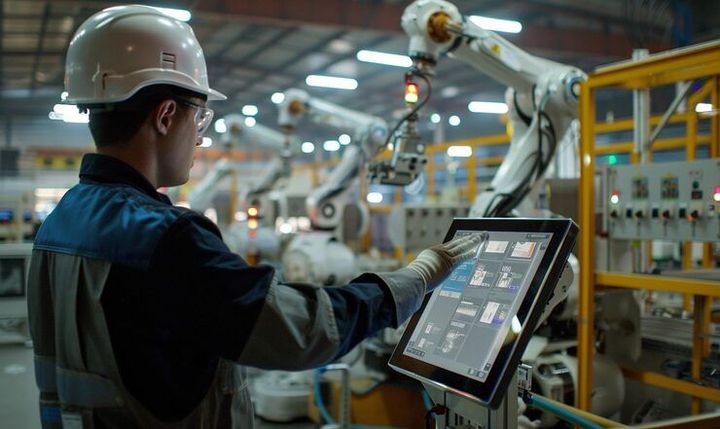
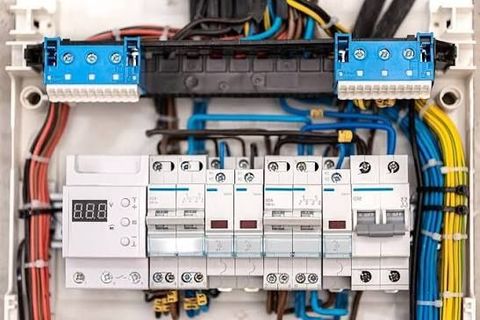
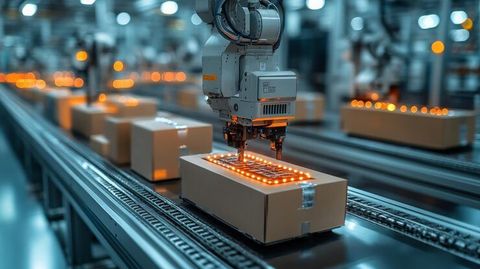
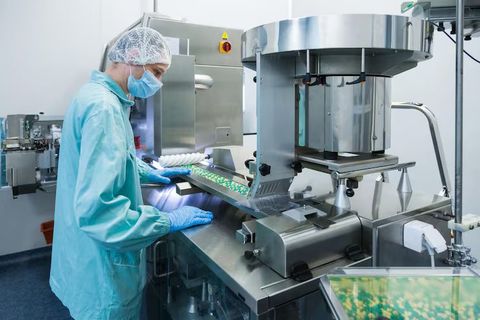
Automation systems are widely used in sectors such as manufacturing, oil and gas, food processing, pharmaceuticals, logistics, automotive production, and energy management. These systems typically combine programmable logic controllers (PLCs), industrial sensors, robotics, artificial intelligence, and cloud-based monitoring tools.
Over the past decade, industries have increasingly adopted automation due to rising production demands, global competition, and the need for improved workplace safety. Modern industrial automation is now closely connected with smart factory concepts, Industrial Internet of Things (IIoT), and data-driven manufacturing environments.
Importance
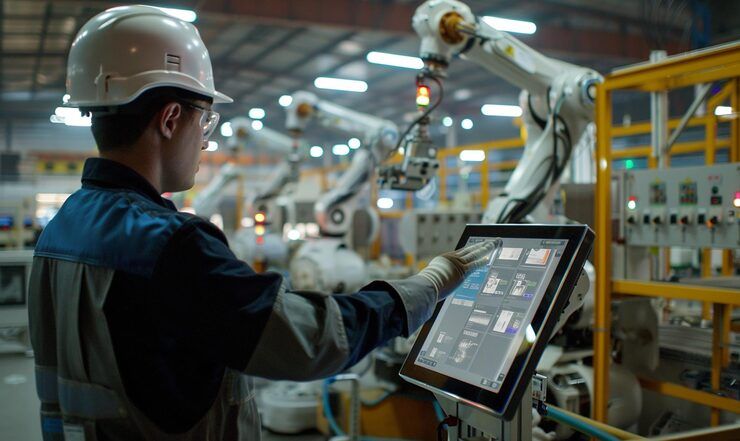
Industrial process automation plays a major role in modern industry because it helps organizations maintain productivity, improve operational visibility, and reduce system downtime. Automated systems can monitor production lines continuously and identify issues more quickly than manual inspection methods.
Industries today face challenges such as labor shortages, energy management concerns, supply chain disruptions, and increasing quality expectations. Automation technologies help address these issues by improving operational reliability and reducing human error.
Key benefits of industrial automation include:
Improved Efficiency
-
Faster production cycles
-
Continuous 24/7 operations
-
Reduced process interruptions
-
Better resource utilization
Enhanced Safety
-
Reduced exposure to hazardous environments
-
Better monitoring of industrial equipment
-
Automated emergency shutdown systems
-
Improved workplace compliance
Better Data Collection
-
Real-time monitoring dashboards
-
Predictive maintenance insights
-
Energy consumption tracking
-
Production performance analysis
Consistent Product Quality
-
Standardized manufacturing procedures
-
Reduced material waste
-
Accurate measurements and calibration
-
Improved quality control processes
The adoption of automation also affects engineers, factory operators, software developers, logistics planners, and industrial maintenance professionals. As industries move toward digital transformation, automation systems continue to become more advanced and interconnected.
Recent Updates
Industrial automation has evolved significantly during 2025 due to developments in artificial intelligence, industrial robotics, edge computing, and cybersecurity.
Recent industry trends include:
| Trend (2025) | Description | Impact on Industry |
|---|
| AI-Based Predictive Maintenance | Machine learning identifies equipment failures early | Reduced downtime |
| Smart Sensors | Advanced IoT sensors improve monitoring accuracy | Better operational visibility |
| Collaborative Robotics | Robots work safely alongside humans | Increased productivity |
| Cloud Manufacturing Platforms | Remote industrial monitoring systems | Faster decision-making |
| Energy Optimization Systems | Automation reduces industrial energy waste | Improved sustainability |
Several manufacturing companies in 2025 expanded investments in digital twins, which are virtual simulations of industrial systems used for testing and optimization. These models help engineers analyze production performance before implementing physical changes.
Cybersecurity has also become a major focus. As factories connect to cloud systems and remote networks, industries are increasing investments in industrial cybersecurity frameworks to protect operational technology systems.
Another important trend is the use of edge computing. Instead of sending all data to cloud servers, edge devices process industrial information locally, reducing delays and improving real-time response capabilities.
Governments in multiple countries have also announced smart manufacturing initiatives aimed at supporting Industry 4.0 adoption through research programs and industrial modernization strategies.
Laws or Policies
Industrial automation is influenced by various regulations, technical standards, workplace safety laws, and environmental policies. These rules differ by country but generally focus on safety, cybersecurity, operational compliance, and environmental responsibility.
Important regulatory areas include:
Workplace Safety Regulations
Industrial automation systems must comply with workplace safety standards that reduce risks associated with machinery and hazardous environments. Safety systems often include:
-
Emergency stop mechanisms
-
Machine guarding requirements
-
Electrical protection systems
-
Automated hazard detection
Many countries follow international safety frameworks developed by organizations such as:
-
International Organization for Standardization (ISO)
-
International Electrotechnical Commission (IEC)
-
Occupational safety authorities
Cybersecurity Standards
As industrial systems become connected to digital networks, governments and regulatory agencies increasingly require cybersecurity protections for critical infrastructure and manufacturing systems.
Industrial cybersecurity policies often focus on:
-
Secure industrial networks
-
Data protection
-
Remote access controls
-
Threat monitoring systems
Environmental Policies
Automation technologies also support environmental compliance by improving energy efficiency and reducing waste generation. Many industries use automated systems to monitor:
-
Carbon emissions
-
Water usage
-
Energy consumption
-
Industrial waste output
Several countries introduced updated sustainability reporting guidelines in 2024 and 2025 encouraging industries to adopt energy-efficient manufacturing technologies.
Smart Manufacturing Programs
Governments in regions such as North America, Europe, and Asia-Pacific continue to support industrial modernization initiatives through technology research partnerships and digital transformation programs.
These programs encourage industries to improve:
-
Industrial productivity
-
Supply chain resilience
-
Energy efficiency
-
Advanced manufacturing capabilities
Tools and Resources
Industrial automation relies on a wide range of digital tools, monitoring platforms, and operational technologies. These resources help industries manage production systems more effectively.
Industrial Control Systems
-
Programmable Logic Controllers (PLCs)
-
Distributed Control Systems (DCS)
-
Supervisory Control and Data Acquisition (SCADA)
These systems help automate industrial operations and monitor production performance.
Monitoring and Analytics Platforms
-
Real-time dashboard software
-
Predictive maintenance analytics
-
Industrial IoT monitoring systems
-
Energy management platforms
These tools assist operators in identifying equipment issues and optimizing production.
Engineering and Simulation Software
-
Digital twin platforms
-
CAD and industrial design software
-
Process simulation applications
-
Automation configuration tools
Simulation tools allow engineers to test industrial workflows before physical implementation.
Industrial Cybersecurity Resources
-
Network monitoring systems
-
Industrial firewall technologies
-
Threat detection platforms
-
Security compliance frameworks
Cybersecurity tools are increasingly important in connected industrial environments.
Educational Resources
Helpful learning resources include:
-
Technical documentation websites
-
Automation engineering courses
-
Industrial standards publications
-
Manufacturing technology webinars
Many organizations also publish research reports covering Industry 4.0 trends, industrial robotics, and automation strategies.
FAQs
What is industrial process automation?
Industrial process automation refers to using control systems, software, sensors, and machines to automate industrial tasks and manufacturing operations with limited manual intervention.
Why is industrial automation important today?
Automation helps industries improve efficiency, workplace safety, product quality, and operational monitoring while reducing downtime and repetitive manual processes.
What industries use automation systems?
Automation is commonly used in manufacturing, automotive production, pharmaceuticals, food processing, logistics, oil and gas, energy production, and chemical industries.
What is the difference between robotics and automation?
Automation refers to systems that operate processes automatically, while robotics specifically involves programmable machines or robots performing physical tasks.
How does artificial intelligence support industrial automation?
Artificial intelligence helps analyze industrial data, predict equipment failures, optimize production schedules, and improve decision-making through advanced analytics.
Conclusion
Industrial process automation has become a major part of modern industrial operations. As manufacturing systems continue evolving, automation technologies help industries improve productivity, safety, efficiency, and sustainability.
The integration of smart sensors, AI-powered monitoring, robotics, and cloud-based analytics is transforming how factories and industrial facilities operate worldwide. At the same time, regulations related to workplace safety, cybersecurity, and environmental responsibility continue shaping automation strategies.
Organizations adopting modern automation systems increasingly focus on digital transformation, predictive maintenance, operational visibility, and energy optimization. As Industry 4.0 technologies continue developing throughout 2025 and beyond, industrial process automation is expected to remain an essential component of global industrial innovation.