Industrial Machine Engineering Knowledge for Modern Manufacturing Units
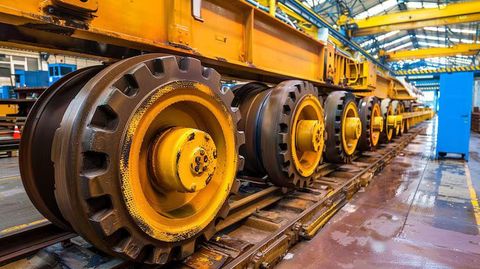
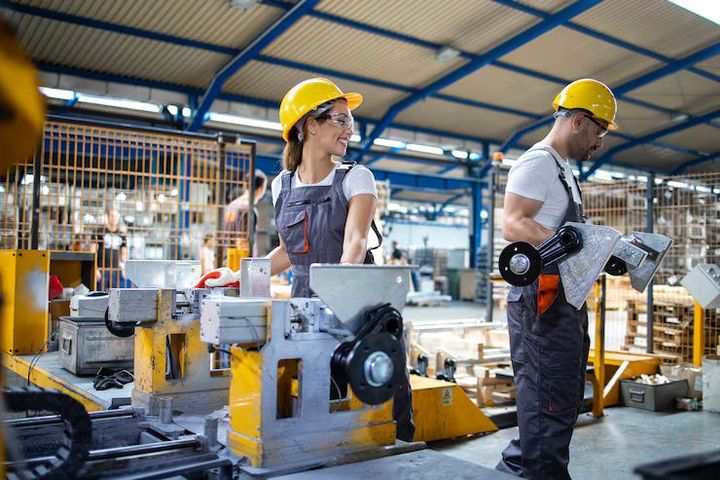
Industrial machine engineering is the field that focuses on designing, operating, improving, and maintaining machines used in manufacturing units and industrial facilities. These machines help industries produce goods efficiently, safely, and consistently across different sectors such as automotive, food processing, pharmaceuticals, textiles, packaging, mining, and electronics.
Manufacturing units depend on engineered machinery to handle repetitive tasks, heavy materials, precision cutting, assembly operations, and automated production processes. Over time, industrial machine engineering has evolved from simple mechanical systems into advanced smart manufacturing environments that use sensors, robotics, industrial automation systems, and artificial intelligence.
The purpose of industrial machine engineering is to improve productivity while reducing downtime, material waste, operational risks, and energy consumption. Modern factories rely on integrated systems where machines communicate with software platforms to monitor performance and detect issues early.
Common industrial engineering systems include:
- CNC machining systems
- Industrial robotics
- Hydraulic and pneumatic systems
- Conveyor automation
- Smart manufacturing software
- Industrial Internet of Things (IIoT) devices
- Predictive maintenance systems
- Process control systems
Why Industrial Machine Engineering Matters Today
Manufacturing industries today operate in a highly competitive environment where production speed, product quality, workplace safety, and operational efficiency are critical. Industrial machine engineering helps organizations maintain consistent production standards while adapting to market demand.
One major reason this field matters is automation. Many manufacturing units now use automated machinery to reduce manual operations and improve precision. This shift supports faster production cycles and minimizes human error.
Another important factor is energy efficiency. Modern industrial systems are designed to optimize electricity usage, reduce emissions, and improve sustainability practices. Manufacturing units are increasingly adopting energy monitoring technologies to comply with environmental regulations.
Industrial machine engineering also plays a major role in workplace safety. Engineered systems include emergency shutdown controls, temperature monitoring, safety sensors, and automated inspections that help reduce accidents in industrial environments.
The field affects several groups, including:
| Industry Sector | Engineering Application | Main Benefit |
|---|---|---|
| Automotive | Robotic assembly systems | Precision manufacturing |
| Food Processing | Automated packaging machines | Hygiene and speed |
| Pharmaceutical | Process control systems | Product consistency |
| Textile Industry | Smart weaving machines | Reduced material waste |
| Electronics | CNC and micro-machining | High accuracy production |
Manufacturing companies also use industrial analytics software to study machine performance and identify operational inefficiencies. This helps reduce downtime and supports predictive maintenance planning.
Recent Updates and Trends in Industrial Machine Engineering
The industrial engineering sector has experienced rapid technological growth during the past year. Several trends are reshaping manufacturing units worldwide.
Growth of Smart Factories in 2025
In 2025, smart factory systems continue to expand across Asia, Europe, and North America. These facilities use connected machines, cloud-based monitoring platforms, and real-time production analytics to improve operational control.
Manufacturing units are increasingly adopting:
- Industrial AI monitoring
- Automated quality inspection systems
- Digital twin technology
- Edge computing for machine control
- Energy optimization platforms
Digital twin systems allow manufacturers to create virtual models of industrial equipment. Engineers can test machine performance digitally before implementing physical changes.
Industrial Automation Adoption Trend
| Year | Estimated Global Automation Adoption |
|---|---|
| 2022 | 43% |
| 2023 | 49% |
| 2024 | 57% |
| 2025 | 64% |
The rise in automation adoption reflects growing demand for production accuracy, industrial cybersecurity, and operational scalability.
AI-Based Predictive Maintenance
During 2024 and 2025, predictive maintenance technologies became more common in manufacturing plants. AI systems now analyze vibration levels, machine temperature, and operational data to predict failures before breakdowns occur.
This approach helps manufacturing units:
- Reduce production interruptions
- Improve equipment lifespan
- Lower maintenance downtime
- Enhance industrial safety compliance
Industrial Cybersecurity Focus
As more factories become digitally connected, cybersecurity has become an important topic in industrial engineering. Governments and industrial organizations have issued updated recommendations for protecting manufacturing systems from cyber threats.
Industrial networks now use:
- Secure industrial firewalls
- Network segmentation
- Encrypted machine communication
- Multi-factor authentication systems
Regulations and Government Policies Affecting Manufacturing Units
Industrial machine engineering is influenced by safety regulations, environmental standards, labor laws, and manufacturing policies. Different countries apply various rules to ensure industrial operations remain safe and sustainable.
Workplace Safety Regulations
Most industrial facilities must follow occupational safety standards related to machine operations, electrical systems, and worker protection.
Examples include:
- Machine guarding requirements
- Emergency stop systems
- Hazard communication standards
- Industrial noise control regulations
- Equipment inspection schedules
In India, manufacturing units often follow regulations under the Factories Act and occupational safety guidelines managed by labor authorities.
Environmental Compliance Policies
Governments are introducing stricter sustainability regulations for manufacturing industries. Industrial units are encouraged to reduce emissions, improve energy efficiency, and manage industrial waste responsibly.
Common environmental requirements include:
- Energy efficiency audits
- Air pollution monitoring
- Wastewater treatment compliance
- Carbon emission reporting
- Hazardous material management
Industry 4.0 Government Initiatives
Several countries introduced manufacturing modernization programs between 2024 and 2025 to support digital transformation in industrial sectors.
Examples include:
| Country | Industrial Initiative | Focus Area |
|---|---|---|
| India | Smart Manufacturing Programs | Automation and digitization |
| Germany | Industry 4.0 | Connected factories |
| Japan | Society 5.0 | AI and robotics integration |
| United States | Advanced Manufacturing Strategy | Industrial innovation |
These programs encourage the use of smart technologies, industrial analytics, robotics, and sustainable manufacturing systems.
Useful Tools and Resources for Industrial Machine Engineering
Manufacturing units often use specialized tools and software to manage machine performance, industrial processes, and operational analysis.
Industrial Engineering Software
Some widely used software platforms include:
- CAD design software
- CNC programming platforms
- Manufacturing execution systems (MES)
- Enterprise resource planning (ERP) systems
- SCADA monitoring software
- Predictive maintenance platforms
These tools help engineers monitor production activities, machine efficiency, and maintenance schedules.
Industrial Monitoring Applications
Modern manufacturing units use monitoring systems that provide:
- Real-time machine tracking
- Production analytics dashboards
- Equipment health monitoring
- Energy consumption analysis
- Safety compliance reporting
Technical Learning Resources
Useful educational resources include:
- Industrial engineering research journals
- Government manufacturing portals
- Technical training institutes
- Automation webinars
- Industrial standards organizations
Maintenance and Efficiency Calculators
Manufacturing engineers frequently use calculators for:
- Motor efficiency analysis
- Load calculation
- Power consumption estimation
- Production cycle analysis
- Hydraulic pressure calculation
Industrial Efficiency Comparison
| Manufacturing Factor | Traditional Systems | Smart Engineering Systems |
|---|---|---|
| Maintenance | Reactive | Predictive |
| Data Tracking | Manual | Automated |
| Energy Monitoring | Limited | Real-time |
| Machine Accuracy | Moderate | High precision |
| Downtime Detection | Delayed | Instant alerts |
Frequently Asked Questions
What is industrial machine engineering?
Industrial machine engineering involves the design, operation, and maintenance of machinery used in manufacturing and industrial production processes. It supports automation, efficiency, and workplace safety.
Why is automation important in manufacturing units?
Automation improves production accuracy, reduces repetitive manual tasks, increases operational speed, and supports consistent product quality in manufacturing environments.
What is predictive maintenance in industrial systems?
Predictive maintenance uses sensors and data analytics to identify machine issues before failures occur. This helps reduce downtime and extend equipment lifespan.
How does industrial engineering support energy efficiency?
Modern industrial systems use monitoring tools, smart sensors, and optimized machine operations to reduce energy consumption and improve sustainability performance.
What industries use industrial machine engineering?
Industries such as automotive, electronics, pharmaceuticals, food processing, textiles, mining, and packaging all rely on industrial machine engineering systems.
Conclusion
Industrial machine engineering continues to play a major role in modern manufacturing units. As industries adopt smart factory technologies, automation systems, industrial analytics, and AI-based monitoring tools, engineering processes are becoming more advanced and efficient.
The field supports productivity, operational safety, energy management, and sustainable manufacturing practices across many sectors. Recent developments in predictive maintenance, industrial cybersecurity, and digital manufacturing systems are reshaping how factories operate worldwide.