Road Milling Machines Explained: Working Process, Types & Applications
Road milling machines, also called cold milling machines or pavement milling machines, are specialized construction machines used to remove a controlled thickness of asphalt or other pavement materials. They are commonly used when an existing road surface has become uneven, cracked, damaged, or unsuitable for another pavement layer.
Instead of removing an entire road structure, milling equipment can cut only the required upper layer. This makes pavement rehabilitation more controlled and can help prepare a uniform surface for resurfacing.
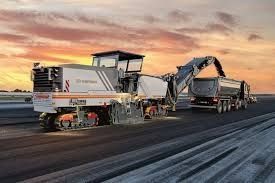
A typical road milling machine includes a rotating milling drum, cutting tools, conveyor system, adjustable depth controls, tracks or wheels, and an operator control system. The milling drum contains numerous cutting teeth that break and remove pavement as the machine moves forward.
The removed material is often called reclaimed asphalt pavement, or RAP, when it contains recoverable asphalt pavement material. Depending on its condition and project specifications, RAP can be processed for use in pavement recycling.
Road milling is therefore an important part of modern road construction, pavement maintenance, highway rehabilitation, and asphalt recycling.
Why Are Road Milling Machines Important?
Road surfaces experience repeated pressure from traffic, weather, temperature changes, water, and heavy loads. Over time, these factors can produce rutting, cracking, surface deformation, potholes, and uneven pavement levels.
Milling machines help address these problems by removing damaged or unwanted pavement to a specified depth.
They are particularly useful for:
- Highway rehabilitation projects
- Urban road maintenance
- Asphalt resurfacing
- Removing surface irregularities
- Correcting pavement levels
- Preparing surfaces for overlays
- Airport pavement rehabilitation
- Bridge deck pavement work
- Asphalt recycling operations
- Removing damaged pavement layers
One major advantage is depth control. The operator can set the milling depth according to the engineering design. This allows the machine to remove a selected pavement layer while limiting unnecessary disturbance to the underlying structure.
Road milling also plays a role in resource efficiency. India's Ministry of Road Transport and Highways has issued guidance supporting evaluation and reuse of materials reclaimed from existing pavement layers. Its guidance specifically notes that cold milling can be used where appropriate to remove bituminous courses without disturbing the underlying granular layer.
How Does a Road Milling Machine Work?
The working process is based on controlled mechanical cutting.
1. Site Inspection
Before milling begins, the pavement is inspected to determine its condition, existing layer thickness, required milling depth, drainage conditions, and other project requirements.
2. Milling Depth Selection
The required cutting depth is established from the pavement design or rehabilitation plan. Modern machines use hydraulic and electronic controls to maintain a relatively consistent milling depth.
3. Cutting Drum Rotation
The milling drum rotates at high speed while carbide-tipped cutting tools contact the pavement. These tools progressively break and remove the asphalt surface.
4. Material Collection
The removed pavement is collected and transferred through the machine's conveyor system. Depending on the equipment and project arrangement, the material can be directed into a transport vehicle.
5. Surface Preparation
After milling, the exposed surface is inspected and cleaned. Additional work may be required before a new asphalt layer is placed.
6. Quality Inspection
The milled surface is checked for depth, profile, texture, and consistency. Surveying and pavement testing equipment can support this process.
Main Types of Road Milling Machines
Different road conditions require different machine configurations. The main types are classified by size, milling width, mobility, and application.
| Machine Type | Typical Application | Main Characteristic |
|---|---|---|
| Small Milling Machine | Urban roads and confined areas | Compact and maneuverable |
| Medium Milling Machine | General pavement rehabilitation | Balanced capacity and mobility |
| Large Milling Machine | Highways and major projects | Wide cutting width and high productivity |
| Cold Milling Machine | Asphalt pavement removal | Removes material without heating |
| Micro Milling Machine | Surface correction and texture improvement | Uses a fine milling pattern |
| Drum-Type Milling Machine | General pavement removal | Rotating cutting drum removes material |
Small Milling Machines
Small milling machines are useful where working space is restricted. They can be used around intersections, narrow roads, utility covers, parking areas, and other locations where large equipment may be difficult to operate.
Medium Milling Machines
Medium machines provide a balance between maneuverability and milling capacity. They are commonly suited to road rehabilitation projects with moderate pavement widths.
Large Milling Machines
Large road milling machines are designed for major highway and infrastructure projects. Their wider drums allow larger pavement areas to be processed during each pass.
Micro Milling Machines
Micro milling uses closely spaced cutting tools to create a finer surface texture. It can be useful when the objective is surface correction or texture modification rather than deep pavement removal.
Key Components of a Road Milling Machine
Understanding the major components makes it easier to understand how the machine operates.
Milling Drum: The rotating drum carries the cutting tools and performs the primary pavement-removal operation.
Cutting Teeth: These hardened tools contact the pavement and break it into smaller pieces.
Conveyor: The conveyor transfers milled material from the cutting area toward a collection vehicle or designated location.
Depth Control System: Hydraulic and electronic controls help maintain the specified milling depth.
Tracks or Wheels: These provide mobility and machine stability during operation.
Water Spray System: Water can be used for dust suppression and to manage heat generated around the cutting area.
Operator Control System: Controls allow the operator to manage movement, drum operation, conveyor functions, and milling parameters.
Recent Developments in Road Milling Technology
Road milling technology is increasingly connected with pavement recycling, digital controls, precision measurement, and resource efficiency.
During 2024–2025, Indian road-development guidance continued to emphasize pavement rehabilitation approaches that consider recycling and environmentally oriented construction techniques. MoRTH documentation recommends considering cold or hot pavement recycling and the reuse of existing bituminous materials where technically feasible.
A MoRTH circular on pavement material reuse also states that possible uses of reclaimed asphalt and granular materials should be evaluated during preparation of detailed project reports.
Another recent development is greater attention to milling before specialized pavement treatments. In an October 2024 MoRTH whitetopping circular, cold milling is identified as a method for achieving the required design grade before construction of a concrete overlay in applicable projects.
Modern machines are also increasingly designed around:
- Automatic depth control
- Digital grade measurement
- Improved cutting drum designs
- Better operator visibility
- Conveyor automation
- Dust-control systems
- Fuel-efficient engine technology
- Improved material recovery
- Data monitoring for pavement operations
These developments support more precise pavement rehabilitation and better integration between milling and recycling processes.
Laws and Policies Affecting Road Milling in India
Road milling projects in India can be influenced by central road specifications, state-level requirements, project contracts, environmental rules, occupational safety requirements, and pavement engineering standards.
For national highway projects, MoRTH specifications and circulars are particularly important. Project documents may define requirements for milling depth, pavement preparation, reclaimed material handling, recycling, testing, and quality control.
India's road specifications also recognize recycling of existing bituminous pavement materials. MoRTH documentation refers to Clause 519 of the Specifications for Road and Bridge Works for recycling existing bituminous pavement materials.
Project teams should also consider:
- Approved pavement design
- Traffic management requirements
- Work-zone safety provisions
- Dust and environmental controls
- Material testing requirements
- Disposal or reuse requirements
- Local authority permissions
- Applicable construction specifications
Requirements can differ between national highways, state highways, municipal roads, airport pavements, and private infrastructure. Therefore, the applicable project documents should always be checked before work begins.
Tools and Resources for Road Milling Planning
Several general tools can support pavement milling analysis and project planning.
Pavement Thickness Calculator: Helps estimate layer thicknesses and compare existing pavement measurements with design requirements.
Digital Level and Survey Equipment: Supports accurate measurement of pavement elevations and milling depth.
Pavement Condition Assessment Templates: Useful for recording cracks, rutting, surface defects, drainage conditions, and pavement thickness.
Material Testing Equipment: Laboratory and field testing can help determine the characteristics and suitability of reclaimed pavement materials.
Quantity Calculation Sheets: Spreadsheet templates can estimate milling areas, depths, and approximate quantities of removed material.
Road Design Software: Engineering software can support pavement profiles, rehabilitation planning, cross-sections, and grade control.
Government Road Specifications: National and state road authorities publish technical specifications and circulars that can guide project planning.
Road Milling Process at a Glance
| Stage | Main Activity | Primary Objective |
| Inspection | Assess existing pavement | Identify rehabilitation requirements |
| Planning | Determine milling depth | Establish the removal profile |
| Milling | Cut pavement mechanically | Remove unwanted material |
| Collection | Transfer milled material | Manage reclaimed pavement |
| Cleaning | Prepare exposed surface | Improve overlay readiness |
| Testing | Check depth and profile | Confirm required quality |
| Resurfacing | Place new pavement layer | Restore road performance |
Frequently Asked Questions
What Is a Road Milling Machine Used For?
A road milling machine is used to remove a controlled thickness of pavement, mainly asphalt. It is commonly used for road rehabilitation, resurfacing preparation, surface correction, and pavement recycling.
What Is Cold Milling?
Cold milling is a pavement-removal process in which a rotating cutting drum mechanically removes asphalt without heating the pavement before cutting. The removed material can be collected for appropriate reuse or processing.
Can Milled Asphalt Be Reused?
Yes, reclaimed asphalt pavement can potentially be reused when its characteristics meet the applicable technical requirements. Material processing, testing, gradation, and the intended recycling method must be considered. MoRTH guidance specifically addresses reuse of reclaimed pavement materials.
How Is Milling Depth Controlled?
Milling depth can be controlled through machine adjustment systems, hydraulic controls, electronic grade systems, and project-specific measurements. The required depth depends on the pavement condition and engineering design.
What Is Micro Milling?
Micro milling is a fine milling technique that uses a closely spaced cutting pattern to modify the pavement surface. It is generally used for surface texture or profile correction rather than major-depth pavement removal.
Conclusion
Road milling machines are important tools in modern pavement rehabilitation. By removing selected pavement layers with controlled depth, they help prepare roads for resurfacing, correction, and recycling.