Industrial Roller Machine Guide: Types, Working Principles & Industrial Applications
Industrial roller machines are widely used manufacturing equipment designed to shape, compress, flatten, bend, or transport materials through rotating rollers. They have become an essential part of industries because they improve consistency, increase production efficiency, and help manufacturers process different materials with greater precision.
The concept of roller technology has evolved alongside industrial development. Early mechanical rollers were manually operated, while modern industrial roller machines use advanced mechanical, hydraulic, pneumatic, and automated systems to perform complex operations with high accuracy.
Today, roller machines are found across numerous industries, including metal fabrication, paper processing, textile manufacturing, rubber production, food processing, packaging, plastics, printing, construction materials, and recycling. Different industries require different roller configurations depending on the material properties, production volume, and manufacturing objectives.
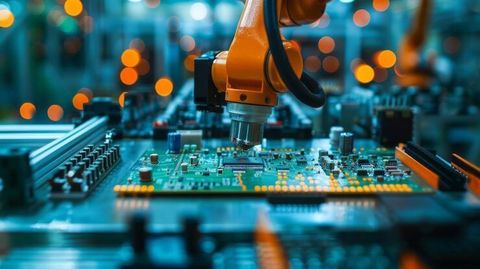
Modern industrial facilities increasingly integrate roller machines with automation systems, digital monitoring, and intelligent process controls to improve operational efficiency while maintaining product quality.
Importance
Industrial roller machines contribute significantly to manufacturing operations because they help create consistent product dimensions while reducing manual intervention.
Their importance continues to grow due to increasing industrial automation and the demand for higher production quality.
Major advantages include:
| Benefit | Description |
|---|---|
| Improved Productivity | Continuous material processing supports higher production output. |
| Better Accuracy | Uniform pressure creates consistent product dimensions. |
| Reduced Material Waste | Controlled processing minimizes production losses. |
| Enhanced Product Quality | Smooth roller movement improves surface finish. |
| Automation Compatibility | Easy integration with modern manufacturing systems. |
| Energy Efficiency | Newer machines optimize power usage during operation. |
Industries that commonly use industrial roller machines include:
- Steel and metal manufacturing
- Sheet metal fabrication
- Plastic processing
- Packaging manufacturing
- Textile production
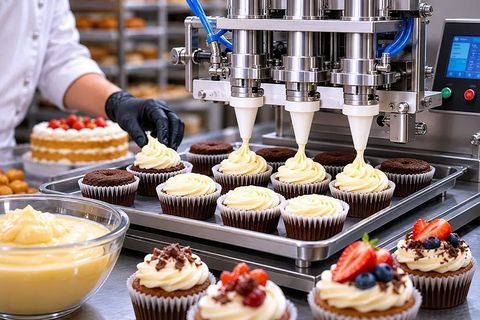
- Food processing
- Paper and pulp industries
- Rubber manufacturing
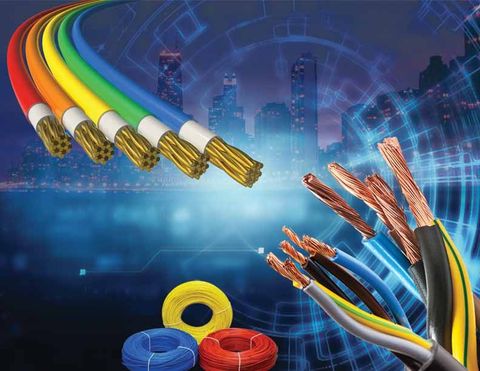
- Cable manufacturing
- Construction material production
Different roller machine designs address different manufacturing requirements, making them highly adaptable across industrial sectors.
Types of Industrial Roller Machines
Various roller machine designs are developed to meet specific industrial applications.
Plate Rolling Machines
These machines roll flat metal sheets into cylindrical or curved shapes used in tanks, pipes, pressure vessels, and industrial structures.
Rubber Roller Machines
Rubber-coated rollers handle delicate materials while providing controlled grip during processing.
Hydraulic Roller Machines
Hydraulic systems generate high rolling force suitable for thick metal sheets and heavy industrial applications.
Mechanical Roller Machines
Mechanical drive systems provide reliable performance for medium-duty manufacturing operations.
Conveyor Roller Machines
These rollers move products efficiently throughout manufacturing and warehouse environments.
Textile Roller Machines
Designed for fabric processing, these machines maintain uniform pressure without damaging delicate materials.
Paper Roller Machines
Paper production relies on precision rollers for pressing, drying, coating, and finishing operations.
Steel Rolling Machines
Heavy-duty rolling equipment reshapes metal into sheets, bars, coils, structural sections, and other industrial products.
Working Principles
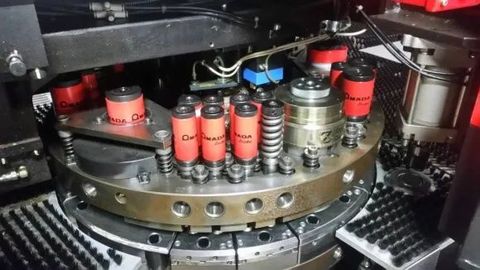
Industrial roller machines operate using rotating cylindrical rollers that apply controlled pressure to a material passing between them.
The general working process includes:
- Material enters the machine.
- Rollers rotate at controlled speed.
- Pressure is applied evenly.
- Material changes shape or thickness.
- Finished material exits for further processing.
Several factors influence machine performance:
- Roller diameter
- Roller material
- Surface finish
- Applied pressure
- Roller speed
- Material thickness
- Temperature conditions
- Machine alignment
Many modern machines include programmable controls that automatically adjust roller pressure and speed according to production requirements.
Industrial Applications
Industrial roller machines support manufacturing activities across many sectors.
Metal Fabrication
Metal sheets are rolled into pipes, cylinders, storage tanks, pressure vessels, and structural components.
Packaging Industry
Rollers help produce cartons, flexible packaging materials, labels, and laminated products.
Paper Manufacturing
Paper mills use multiple roller systems for pressing, drying, coating, and finishing paper products.
Plastic Industry
Plastic sheets, films, and molded products often require rolling during production.
Textile Industry
Fabric finishing, coating, dyeing, and smoothing operations depend on specialized roller equipment.
Rubber Manufacturing
Rubber sheets and industrial products require controlled rolling for uniform thickness.
Food Processing
Food-grade roller machines assist in flattening, shaping, mixing, and processing various food products while maintaining hygiene standards.
Construction Industry
Construction material production uses roller equipment to manufacture roofing sheets, structural panels, and metal profiles.
Recent Updates
Industrial roller machine technology has advanced considerably during the past year as manufacturers continue adopting digital manufacturing practices.
Recent developments include:
- Greater adoption of industrial automation during 2025.
- Increased integration of smart sensors for predictive maintenance.
- More energy-efficient drive systems introduced in modern manufacturing plants.
- Improved digital monitoring for production quality control.
- Better safety systems with automatic emergency stopping functions.
- Expanded use of programmable controllers for process optimization.
- Increased implementation of Industrial Internet of Things (IIoT) connectivity.
- Growing interest in data-driven equipment monitoring to reduce downtime.
Sustainability has also become an important focus. Manufacturers are improving machine efficiency, reducing material waste, and designing equipment that consumes less energy while maintaining production performance.
Artificial intelligence and machine learning are gradually being introduced for predictive diagnostics and production optimization in advanced industrial facilities.
Laws or Policies
Industrial roller machine operation is influenced by workplace safety regulations, machinery standards, and environmental requirements. These regulations vary between countries but generally focus on protecting workers, improving operational safety, and reducing environmental impact.
Common regulatory areas include:
- Machine guarding requirements
- Emergency stop systems
- Electrical safety standards
- Noise exposure limits
- Occupational safety practices
- Environmental management systems
- Equipment maintenance procedures
- Industrial energy efficiency initiatives
Many countries encourage manufacturers to adopt safer machinery through industrial modernization programs and workplace safety frameworks.
Organizations using roller machines typically implement regular inspection schedules, operator training, preventive maintenance, and documented safety procedures to maintain compliance with applicable industrial regulations.
Tools and Resources
Several resources help engineers, manufacturers, technicians, and students understand industrial roller machines more effectively.
Useful resources include:
- Engineering calculation software
- Material thickness calculators
- Load calculation tools
- CAD design software
- Industrial maintenance templates
- Equipment inspection checklists
- Preventive maintenance planners
- Production efficiency calculators
- Safety audit templates
- Technical training manuals
- Industrial engineering publications
- Manufacturing process simulators
These resources support planning, equipment maintenance, process improvement, and operational efficiency while helping organizations follow industry best practices.
Frequently Asked Questions
What is an industrial roller machine?
An industrial roller machine is manufacturing equipment that uses rotating rollers to shape, flatten, bend, compress, or transport materials during industrial production.
Which industries commonly use roller machines?
Roller machines are widely used in metal fabrication, packaging, paper manufacturing, plastics, textiles, rubber processing, construction materials, and food production.
What determines the type of roller machine needed?
The selection depends on the material type, thickness, required product shape, production volume, operating pressure, and manufacturing process.
Are modern roller machines automated?
Many modern machines include programmable controls, digital monitoring, smart sensors, and automated adjustments that improve production accuracy and operational efficiency.
Why is regular maintenance important?
Routine maintenance helps maintain machine accuracy, reduce unexpected downtime, improve safety, extend equipment life, and ensure consistent production quality.
Conclusion
Industrial roller machines remain one of the most important technologies in modern manufacturing because they enable accurate, efficient, and consistent material processing across numerous industries. Their ability to support metal forming, paper production, textile processing, packaging, plastics, and many other manufacturing operations makes them essential equipment in industrial environments.