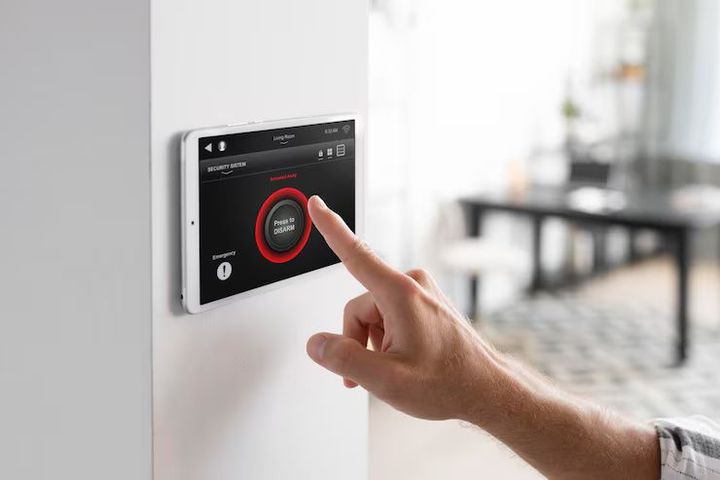
Home Alarm Monitoring Guide for Understanding Modern Security Systems
Home alarm monitoring refers to the process of tracking security systems connected to homes, apartments, and residential buildings. These systems are designed to detect unusual activity such as unauthorized entry, smoke, fire, glass breakage, or motion inside a property. When a sensor detects activity, the monitoring setup can alert homeowners through mobile notifications, sirens, or emergency communication systems.
The idea of monitored alarms developed as urban areas expanded and residential security concerns increased. Earlier systems relied mainly on loud sirens. Modern systems now use internet connections, mobile applications, cloud technology, and smart home integrations.
Today, many households use connected security devices alongside cameras, smart locks, and environmental sensors. Home alarm monitoring is now part of a larger smart home ecosystem that focuses on safety awareness and property protection.
Why Home Alarm Monitoring Matters Today
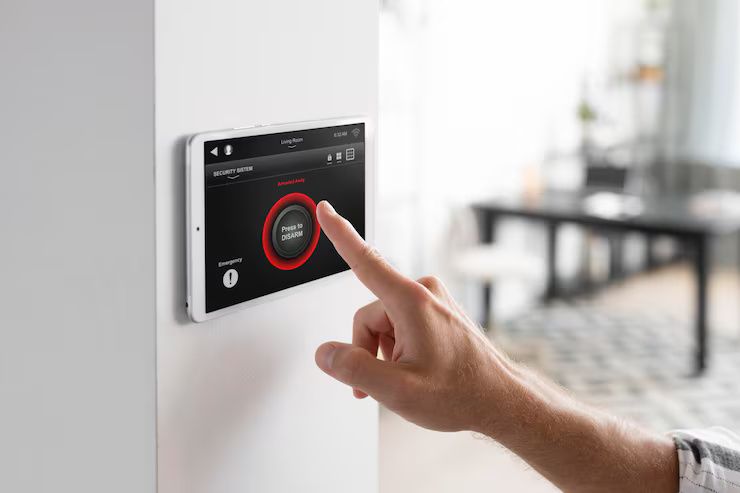
Security concerns continue to grow in many parts of the world due to increasing urban populations, remote work setups, and rising dependence on connected devices. Home alarm monitoring helps individuals stay informed about events happening inside or around their homes, even when they are away.
Families, renters, property owners, and older adults benefit from monitored systems because they improve awareness during emergencies. These systems can help detect:
- Unauthorized access
- Fire and smoke incidents
- Water leaks
- Carbon monoxide exposure
- Motion in restricted areas
Many people also use alarm monitoring to support child safety and elderly care. Smart alerts can notify users if doors open unexpectedly or if movement patterns change inside the home.
Common Features in Modern Alarm Monitoring
| Feature | Purpose | Example Use |
|---|---|---|
| Motion Sensors | Detect movement indoors | Night-time activity alerts |
| Door and Window Sensors | Identify unauthorized entry | Entry point monitoring |
| Smart Cameras | Provide live video access | Remote viewing |
| Mobile Notifications | Send real-time alerts | Smartphone warnings |
| Smoke Detection | Identify fire risks | Emergency evacuation alerts |
The growing use of connected homes has also increased awareness about cybersecurity and device privacy. As more devices connect to the internet, users are paying closer attention to secure passwords, encrypted apps, and software updates.
Recent Updates and Trends in Home Alarm Monitoring
The home security industry experienced several important developments during 2025 and early 2026. Many manufacturers introduced AI-powered monitoring features capable of identifying unusual patterns more accurately than older motion-only systems.
One major trend is the growth of smart integration platforms. Security systems are increasingly connected with lighting, voice assistants, thermostats, and automated locks. This creates a more connected environment where devices communicate with each other during emergencies.
Another major update is the increased adoption of cloud-based monitoring systems. Instead of storing footage only on local devices, many systems now store encrypted data securely online. This allows users to review alerts remotely from smartphones or tablets.
Important Security Trends in 2025
- AI-assisted motion recognition became more common in residential systems
- Mobile-based monitoring applications expanded globally
- Smart doorbell adoption continued to rise in urban areas
- Privacy-focused encryption standards improved
- Battery backup systems became more energy efficient
In late 2025, several cybersecurity agencies also warned consumers about outdated smart devices that no longer receive software updates. Experts recommended updating firmware regularly and using two-factor authentication for connected security apps.
Environmental monitoring also gained popularity. Many households now integrate flood sensors, heat detectors, and air quality monitors into their security systems.
Laws and Policies Related to Home Alarm Monitoring
Home alarm monitoring systems are affected by privacy laws, communication regulations, and emergency response policies. Rules vary depending on the country and local government authority.
In many regions, monitoring systems must follow data privacy standards because they collect video footage, audio recordings, and user information. Regulations often require companies and users to protect personal data from unauthorized access.
Common Regulatory Areas
Privacy and Data Protection
Many countries require compliance with privacy regulations when cameras or audio devices record activity. Users are often expected to inform visitors if surveillance recording is active.
False Alarm Policies
Some municipalities apply penalties or warnings for repeated false alarms that unnecessarily involve emergency responders. Proper system maintenance helps reduce accidental triggers.
Wireless Communication Standards
Wireless alarm systems may need to follow approved communication frequencies and technical safety standards established by national telecommunications authorities.
Cybersecurity Requirements
Governments increasingly encourage manufacturers to improve security protections for connected devices. This includes stronger encryption and automatic software update support.
Examples of Regulatory Influence
- The European Union continues enforcing privacy protections under GDPR-related policies
- The United States has local city-level false alarm reduction programs
- India’s digital privacy discussions increasingly affect connected home technology
- Australia and Canada continue emphasizing consumer data protection frameworks
Users should always review local regulations regarding camera placement, recording practices, and emergency alert systems.
Helpful Tools and Resources for Home Alarm Monitoring
Modern home alarm systems often work alongside digital tools that improve accessibility and awareness. Many resources are available for homeowners and renters seeking educational information.
Useful Mobile Applications
Several apps help users manage notifications, review activity logs, and monitor connected devices remotely. Popular categories include:
- Smart home dashboards
- Camera monitoring apps
- Emergency notification systems
- Device management platforms
Educational Websites
Government and cybersecurity organizations publish safety recommendations related to connected devices and residential protection. These resources often explain:
- Password security
- Smart device setup
- Emergency preparedness
- Fire prevention
- Cybersecurity awareness
Templates and Checklists
Homeowners frequently use printable safety checklists to review:
- Sensor placement
- Battery replacement schedules
- Emergency contacts
- Wi-Fi security settings
- Family evacuation planning
Smart Home Integration Platforms
Modern monitoring systems may connect with:
- Voice assistants
- Smart lighting
- Video doorbells
- Smart locks
- Environmental sensors
These integrations improve automation and situational awareness.
Frequently Asked Questions
What is the purpose of home alarm monitoring?
Home alarm monitoring helps detect unusual activity inside or around a property. It improves awareness by sending alerts related to motion, entry points, smoke, or other emergencies.
Can home alarm systems work during internet outages?
Some systems include cellular backup or battery-powered communication features. These backups help maintain limited functionality during internet or power interruptions.
Are smart alarm systems vulnerable to hacking?
Connected devices can face cybersecurity risks if they use weak passwords or outdated software. Using secure authentication and regular updates reduces these risks.
Do renters use home alarm monitoring systems?
Yes. Many modern systems are designed for apartments and temporary residences. Wireless and portable devices are especially common among renters.
How often should alarm devices be checked?
Experts generally recommend testing sensors, batteries, and notification settings every few months to ensure reliable operation.
Key Facts About Home Alarm Monitoring
Growing Smart Home Adoption
The expansion of smart homes has increased demand for connected security solutions. Many households now combine monitoring systems with automation tools.
Importance of Cybersecurity
Strong passwords, encrypted connections, and updated firmware are now considered essential for secure monitoring systems.
Emergency Awareness Benefits
Monitoring systems can improve response times during smoke detection, unauthorized access, or environmental emergencies.
Expanding Technology Integration
Modern systems increasingly connect with voice assistants, mobile devices, and cloud-based platforms.
Conclusion
Home alarm monitoring has evolved from simple alarm sirens into connected systems that support safety awareness, emergency alerts, and smart home integration. As technology continues advancing, these systems are becoming more intelligent, accessible, and adaptable for different living environments.
The growing use of AI-powered alerts, mobile connectivity, and environmental sensors reflects how residential security is changing in 2026. At the same time, privacy protection and cybersecurity remain important considerations for households using connected devices.
Understanding how monitoring systems work, the laws affecting them, and the tools available can help individuals make informed decisions about residential safety and digital awareness.