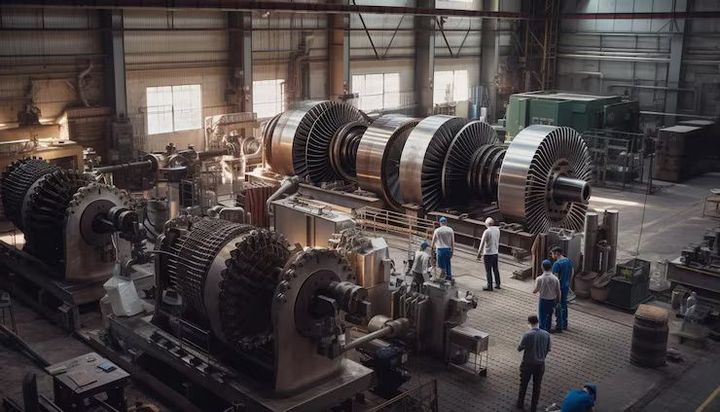
The main purpose of winding technology is to improve production consistency, reduce material damage, and support automated industrial workflows. Winding systems exist in several industries, including electrical manufacturing, textiles, packaging, paper production, automotive manufacturing, and renewable energy equipment production.
Industrial winding processes help manufacturers maintain uniform material distribution while preventing tangling, stretching, or breakage. Modern machines now integrate digital controls, programmable logic systems, and sensor technologies to improve operational precision.
Why Winding Machines Matter Today
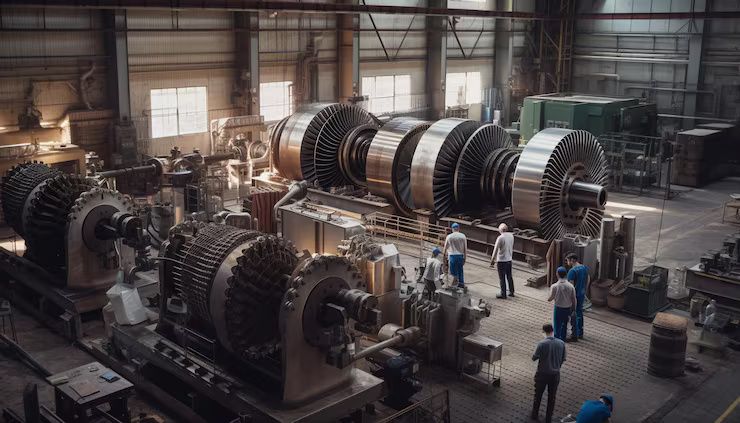
Winding machines play a major role in industrial productivity and manufacturing automation. As global industries continue adopting smart manufacturing practices, winding systems have become increasingly important for maintaining quality standards and operational efficiency.
Industries rely on winding equipment because manual winding processes are slower, less accurate, and more prone to material waste. Automated winding technology improves consistency while reducing labor-intensive production steps.
Key Industries Using Winding Machines
-
Electrical coil manufacturing
-
Textile and yarn processing
-
Cable and wire production
-
Battery manufacturing
-
Packaging film production
-
Medical equipment manufacturing
-
Fiber optic industries
-
Renewable energy component manufacturing
Major Benefits of Winding Technology
| Feature | Industrial Advantage |
|---|
| Automated Tension Control | Improves material consistency |
| Precision Winding | Reduces waste and defects |
| High-Speed Operation | Increases manufacturing output |
| Smart Sensors | Enhances monitoring accuracy |
| Digital Programming | Supports automation systems |
| Material Protection | Minimizes damage during handling |
Modern industrial facilities increasingly depend on advanced winding systems to support Industry 4.0 manufacturing environments. These machines also help companies maintain quality control standards in global supply chains.
Industrial Trends and Recent Updates
The winding machine industry has experienced several technological developments during 2025 and late 2024. Manufacturers are introducing systems with improved automation, energy efficiency, and data monitoring capabilities.
One important trend involves the integration of Artificial Intelligence and predictive maintenance software into winding systems. Smart sensors now analyze machine vibration, temperature, and tension data to identify maintenance needs before failures occur.
Another growing trend is the use of servo motor technology. Servo-driven winding systems provide greater precision compared to conventional motor systems, particularly in high-speed cable and battery manufacturing.
Recent Developments in the Industry
Smart Manufacturing Integration
Industrial companies are connecting winding machines with centralized factory management platforms. This allows production managers to monitor machine performance remotely using Industrial Internet of Things (IIoT) technologies.
Growth in Electric Vehicle Manufacturing
The electric vehicle sector increased demand for precision coil winding and battery winding systems during 2025. Manufacturers producing lithium-ion batteries require highly accurate winding equipment to maintain battery safety and efficiency standards.
Sustainable Manufacturing Practices
Many manufacturers are now introducing energy-efficient winding technologies to reduce industrial power consumption. Recyclable material handling systems and reduced waste production are becoming important operational goals.
Robotics and Automation Expansion
Collaborative robots are increasingly being integrated into winding production lines to improve material handling and reduce repetitive manual tasks.
Regulations and Industrial Policies
Winding machines are affected by various industrial regulations, workplace safety standards, and manufacturing compliance requirements. These regulations differ by country but generally focus on worker safety, machine reliability, environmental impact, and electrical standards.
Manufacturers operating winding systems must comply with occupational safety regulations related to machine guarding, emergency stop systems, electrical safety, and operator training.
Important Regulatory Areas
Workplace Safety Standards
Industrial safety organizations require machines to include:
-
Emergency shutdown systems
-
Protective covers and guards
-
Operator safety training
-
Electrical hazard protection
-
Noise reduction measures
Environmental Regulations
Many countries now encourage energy-efficient industrial systems through sustainability programs and manufacturing modernization policies.
International Manufacturing Standards
Winding machine manufacturers often follow international standards such as:
-
ISO manufacturing standards
-
IEC electrical safety standards
-
CE compliance requirements
-
Industrial automation guidelines
Government Manufacturing Programs
Several governments introduced industrial modernization initiatives between 2024 and 2025 to support automation technologies. These programs encourage manufacturers to adopt smart factory systems, including advanced winding technologies.
Types of Winding Machines and Their Applications
Different winding machines are designed for specific industrial tasks. Machine selection depends on the material type, winding speed, production volume, and precision requirements.
Coil Winding Machines
These machines are used in electrical industries for transformer coils, motor coils, and inductors. Precision is critical because winding accuracy affects electrical performance.
Yarn Winding Machines
Textile industries use yarn winding systems to prepare thread and fiber materials for weaving, knitting, and fabric production.
Film and Foil Winding Machines
Packaging and printing industries rely on film winding systems for plastic films, aluminum foil, and flexible packaging materials.
Cable Winding Machines
Cable manufacturers use automated winding systems for organized storage and transportation of electrical cables and communication wires.
Battery Electrode Winding Machines
Battery production facilities use highly advanced winding technology for lithium-ion battery cells and renewable energy storage systems.
Digital Transformation in Winding Technology
Modern winding systems are increasingly software-driven. Advanced Human Machine Interface (HMI) systems allow operators to manage production settings using touchscreen controls.
Digital technologies now support:
-
Real-time production monitoring
-
Automated quality inspection
-
Cloud-based maintenance tracking
-
Predictive diagnostics
-
Production analytics reporting
These technologies improve manufacturing reliability while reducing downtime and operational disruptions.
Tools and Resources for Learning About Winding Machines
Several digital resources and industrial tools help manufacturers, engineers, and students understand winding technologies more effectively.
Helpful Industrial Software
-
Computer-Aided Manufacturing (CAM) software
-
Industrial automation monitoring systems
-
PLC programming platforms
-
Predictive maintenance applications
-
Production analytics dashboards
Educational Resources
-
Manufacturing engineering websites
-
Industrial automation training platforms
-
Electrical engineering publications
-
Technical standards organizations
-
Machinery operation manuals
Useful Industrial Technologies
-
Servo motor systems
-
Laser alignment tools
-
Tension measurement sensors
-
Smart monitoring systems
-
Industrial robotics platforms
Online Knowledge Platforms
Many engineering communities and industrial forums provide educational information about winding machine maintenance, calibration, troubleshooting, and automation practices.
Common Challenges in Winding Operations
Despite technological advancements, winding systems still face operational challenges in certain manufacturing environments.
Material Tension Problems
Incorrect tension settings may cause material stretching, breakage, or uneven winding patterns.
Machine Calibration Issues
Improper calibration can reduce production accuracy and increase product defects.
Maintenance Requirements
High-speed industrial machines require regular inspections and preventive maintenance to maintain reliability.
Operator Training Needs
Advanced digital winding systems often require specialized operator knowledge and technical training.
Manufacturers continue investing in automation technologies to reduce these operational risks while improving long-term efficiency.
FAQs About Winding Machines
What is the primary purpose of a winding machine?
A winding machine organizes and winds materials such as wire, yarn, film, or cable onto reels or spools while maintaining controlled tension and alignment.
Which industries commonly use winding machines?
Electrical manufacturing, textile production, cable manufacturing, packaging, automotive industries, and battery production facilities commonly use winding systems.
How do modern winding machines improve efficiency?
Modern machines use automation, sensors, digital controls, and servo motors to improve precision, reduce waste, and increase production speed.
Why is tension control important in winding operations?
Proper tension control prevents material damage, uneven winding, stretching, and product quality issues during manufacturing.
Are winding machines part of Industry 4.0 manufacturing?
Yes. Many modern winding systems support smart manufacturing through IoT connectivity, predictive maintenance, and data-driven production monitoring.
Conclusion
Winding machines are essential components of modern industrial manufacturing. These systems improve efficiency, maintain product quality, and support automation across multiple industries including electrical manufacturing, textiles, packaging, and renewable energy production.
As industrial technology continues evolving, winding systems are becoming more intelligent, energy-efficient, and digitally connected. Recent developments involving AI monitoring, predictive maintenance, and smart factory integration demonstrate how winding technology supports advanced manufacturing goals.
Understanding winding machines helps industries improve productivity while reducing material waste and operational risks. With continued innovation in automation and industrial engineering, winding systems are expected to remain important tools in global manufacturing for years ahead.