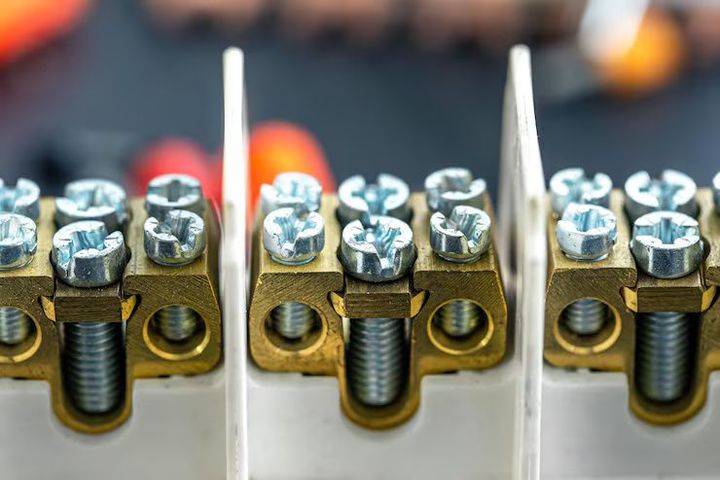
The purpose of industrial fasteners is to create reliable, durable connections that can withstand pressure, vibration, and environmental conditions. Unlike welding or adhesives, fasteners allow for easy assembly and disassembly, making them essential in maintenance and repair processes.
Fasteners are typically made from materials such as steel, stainless steel, aluminum, brass, and specialized alloys. Their design, size, and material vary depending on the application and required strength.
Why Industrial Fasteners Matter Today
Industrial fasteners play a critical role in modern infrastructure and technology. From bridges and buildings to vehicles and machinery, they ensure structural integrity and safety.
Key reasons why industrial fasteners are important
-
They provide strong and secure connections in critical systems
-
They allow easy maintenance and replacement of components
-
They support large-scale manufacturing and assembly processes
-
They improve safety by reducing the risk of structural failure
Industries such as renewable energy, electric vehicles, and smart manufacturing rely heavily on advanced fastening solutions. Without reliable fasteners, many modern technologies would not function effectively.
Problems they help solve
-
Prevent loosening due to vibration
-
Maintain alignment in machinery
-
Support heavy loads and pressure
-
Enable modular design in engineering
Recent Updates and Trends (2025–2026)
The industrial fastener sector has seen several developments in recent years, driven by innovation and sustainability goals.
Emerging trends
-
Smart fasteners with sensors are being developed to monitor tension and stress in real time (2025)
-
Increased use of corrosion-resistant coatings to extend lifespan in harsh environments
-
Lightweight fasteners gaining popularity in aerospace and automotive industries
-
Growth in automated fastening systems in manufacturing
Industry updates
-
In early 2025, global manufacturing sectors reported increased adoption of automated assembly lines, boosting demand for precision fasteners
-
Sustainability initiatives in 2024–2026 have encouraged the use of recyclable materials and eco-friendly coatings
-
Digital inventory tracking systems for fasteners are becoming more common in industrial operations
These updates reflect a shift toward efficiency, safety, and environmental responsibility.
Laws and Policies Affecting Industrial Fasteners
Industrial fasteners are subject to strict regulations to ensure safety, reliability, and standardization.
Common regulatory aspects
-
Quality standards such as ISO (International Organization for Standardization) guidelines
-
Material compliance requirements for strength and durability
-
Safety certifications for use in critical industries like aerospace and construction
Examples of regulations
-
ISO 898 standards define mechanical properties of fasteners
-
ASTM standards (American Society for Testing and Materials) specify material quality
-
Environmental policies regulate coatings and chemical usage
Government influence
Governments often enforce compliance through inspections and certification processes. Infrastructure projects and public safety regulations require the use of certified fasteners to prevent accidents and failures.
Tools and Resources for Understanding Industrial Fasteners
There are several tools and resources that help engineers, students, and professionals understand and work with industrial fasteners effectively.
Useful tools
-
Fastener size charts and measurement guides
-
Torque calculators for determining tightening force
-
Material selection charts
-
CAD software for design and simulation
Helpful resources
-
Engineering textbooks and manuals
-
Online educational platforms and tutorials
-
Industry standards documentation (ISO, ASTM)
-
Technical blogs and research publications
These tools improve accuracy, efficiency, and understanding when working with fasteners.
Types of Industrial Fasteners
Below is a simple table showing common types of industrial fasteners and their uses:
| Fastener Type | Common Use | Key Feature |
|---|
| Bolts | Construction and heavy machinery | High strength and durability |
| Screws | Wood, metal, and electronics | Easy installation |
| Nuts | Used with bolts | Secure locking mechanism |
| Washers | Distribute load | Prevent damage |
| Rivets | Permanent fastening | Strong and vibration-resistant |
Frequently Asked Questions
What is the difference between a bolt and a screw?
A bolt typically requires a nut to fasten objects together, while a screw is designed to be inserted directly into materials.
Why are coatings used on industrial fasteners?
Coatings protect fasteners from corrosion, wear, and environmental damage, increasing their lifespan.
How do engineers choose the right fastener?
They consider factors such as material, load requirements, environmental conditions, and application type.
What industries rely most on industrial fasteners?
Construction, automotive, aerospace, manufacturing, and energy sectors depend heavily on fasteners.
Can fasteners be reused?
Some fasteners can be reused if they are not damaged, but critical applications often require new ones for safety reasons.
Key Insights and Practical Tips
Understanding selection basics
Choosing the right fastener involves analyzing load capacity, material compatibility, and environmental exposure.
Maintenance considerations
-
Regular inspection helps identify wear or loosening
-
Proper tightening techniques improve performance
-
Using the correct tools prevents damage
Safety considerations
-
Always follow recommended torque values
-
Avoid mixing incompatible materials
-
Ensure compliance with industry standards
Conclusion
Industrial fasteners are essential components that support modern engineering and construction. Their role extends beyond simple connections, contributing to safety, efficiency, and innovation across industries.
With advancements in materials, smart technology, and sustainability, the field of industrial fasteners continues to evolve. Understanding their types, applications, and regulations helps individuals and organizations make informed decisions and maintain reliable systems.
As industries grow and technology advances, industrial fasteners will remain a foundational element in building and maintaining the world around us.