Rotary Kiln Manufacturing: Complete Guide to Process, Design, and Industrial Applications
Rotary kiln manufacturing plays an important role in many industrial sectors that require high-temperature processing of materials.
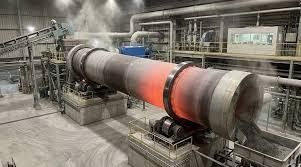
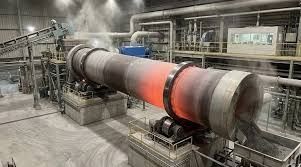
A rotary kiln is a large cylindrical furnace that slowly rotates while heating raw materials to specific temperatures. These systems are commonly used in cement production, lime processing, mining operations, metallurgy, waste treatment, and chemical manufacturing.
The concept of rotary kilns has existed for more than a century. Early industrial furnaces relied on simple heating methods, but increasing production demands led to the development of rotating thermal processing equipment. Modern rotary kiln equipment combines mechanical engineering, thermal technology, and automation to achieve controlled processing conditions.
Today, rotary kiln manufacturers design systems that can handle a wide range of materials and operating environments. Depending on the application, kilns may be used for drying, roasting, sintering, calcining, or thermal treatment processes. Industries often work with rotary kiln plant manufacturers to develop complete production facilities that include material handling systems, burners, pollution control equipment, and monitoring technologies.
Rotary kilns remain essential because they provide continuous processing, uniform heating, and the ability to handle large volumes of raw materials.
Importance
Role in Industrial Production
Many industries depend on rotary kiln production line systems to transform raw materials into usable products. Cement plants, mining facilities, and lime production units use these systems to achieve the temperatures necessary for chemical and physical changes in materials.
For example, cement rotary kiln systems are used to produce clinker, a key ingredient in cement manufacturing. Similarly, lime rotary kiln manufacturers develop equipment that converts limestone into quicklime for construction, environmental treatment, and industrial applications.
Support for Mining and Mineral Processing
A rotary kiln for mining industry applications is commonly used for ore treatment, mineral upgrading, and metal extraction preparation. Various minerals require thermal processing before they can be refined or further processed.
Some mining applications include:
- Calcination of mineral concentrates
- Processing of iron ore pellets
- Treatment of rare earth materials
- Thermal conditioning of industrial minerals
- Removal of moisture and volatile compounds
Energy and Resource Efficiency
Industries are increasingly focused on reducing energy consumption and emissions. As a result, energy efficient rotary kilns have become an important topic in manufacturing and plant design.
Modern kiln systems often include:
- Improved insulation materials
- Advanced burner technologies
- Heat recovery systems
- Automated combustion controls
- Enhanced process monitoring
These improvements help facilities use resources more effectively while maintaining production quality.
Importance of Custom Design
Not all industrial processes require the same equipment configuration. Custom rotary kiln manufacturing allows engineers to adjust dimensions, heating methods, material handling systems, and control features according to specific production requirements.
Customized designs can improve process stability and support specialized applications such as hazardous material treatment, chemical processing, and mineral calcination.
Recent Updates
Growth of Automation Technologies
One of the most noticeable trends between 2024 and 2026 is the increased adoption of rotary kiln automation systems. Industrial operators are using digital monitoring tools to improve process visibility and operational consistency.
Modern automation systems can monitor:
- Temperature profiles
- Fuel consumption
- Rotation speed
- Material flow rates
- Emissions data
These technologies help operators identify potential issues and make adjustments during production.
Expansion of Energy-Efficient Designs
Manufacturers continue to focus on energy efficient rotary kilns as industries seek to reduce environmental impacts and operating expenses. Improved refractory materials, optimized burner systems, and advanced insulation technologies are becoming more common across new installations.
Increased Demand for Calcination Equipment
Demand for rotary kiln for calcination applications has grown in several sectors, including mining, chemical processing, and advanced material production. Calcination remains an important process for removing moisture, carbon dioxide, or other volatile substances from raw materials.
Digital Maintenance Planning
Predictive maintenance technologies are becoming more widely used. Sensors installed throughout rotary kiln equipment can collect data that helps maintenance teams identify wear patterns before major failures occur.
Particular attention is often given to rotary kiln replacement parts such as:
- Tyres and riding rings
- Support rollers
- Bearings
- Girth gears
- Refractory linings
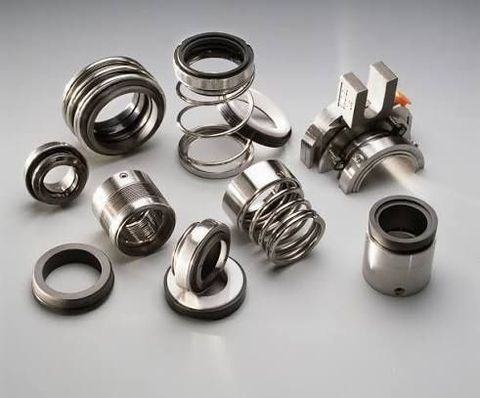
- Seals and drive systems
Development of High-Temperature Processing Systems
Industries that require extreme heat conditions continue to invest in high temperature rotary kiln technologies. These systems are designed to operate under demanding thermal environments while maintaining process stability and material quality.
Laws or Policies
Environmental Regulations
Rotary kiln operations are generally regulated through environmental laws that address air emissions, energy consumption, and waste management. Requirements vary by country, but industrial facilities are commonly required to monitor pollutants and comply with emission standards.
Environmental regulations often focus on:
- Dust control
- Nitrogen oxide emissions
- Sulfur compound emissions
- Carbon management practices
- Waste handling procedures
Workplace Safety Requirements
Industrial kiln facilities must follow occupational safety regulations related to high-temperature equipment, mechanical systems, and hazardous materials handling.
Safety measures may include:
- Emergency shutdown systems
- Worker training programs
- Protective equipment requirements
- Inspection schedules
- Equipment maintenance procedures
Energy Efficiency Policies
Many countries have introduced programs encouraging energy-efficient industrial operations. These policies influence the design and operation of modern rotary kiln production line facilities by promoting improved fuel efficiency and reduced environmental impact.
Equipment Certification and Standards
Manufacturers often design equipment according to recognized engineering standards that address structural integrity, pressure systems, electrical components, and operational safety. Compliance with these standards helps ensure consistent manufacturing quality and safe operation.
Tools and Resources
Several tools and resources can assist organizations involved in rotary kiln manufacturing, operation, and maintenance.
Engineering and Design Software
Computer-aided design and simulation platforms help engineers model kiln structures and thermal processes before construction begins.
Common applications include:
- Mechanical design software
- Thermal simulation tools
- Process modeling platforms
- Structural analysis programs
Process Monitoring Platforms
Modern rotary kiln automation systems often include digital dashboards that display operational data in real time. These systems support process optimization and maintenance planning.
Industry Standards Organizations
Organizations that publish engineering and industrial standards provide useful technical guidance for kiln design, operation, and safety management.
Maintenance Management Systems
Computerized maintenance management software helps facilities track inspections, inventory, and rotary kiln replacement parts.
Typical Rotary Kiln Applications
| Industry | Common Application | Temperature Range |
|---|---|---|
| Cement | Clinker production | 1,400°C–1,500°C |
| Lime | Limestone calcination | 900°C–1,200°C |
| Mining | Mineral processing | 600°C–1,300°C |
| Chemical | Thermal treatment | 500°C–1,200°C |
| Metallurgy | Ore roasting | 700°C–1,300°C |
Actual operating temperatures may vary depending on material characteristics and process requirements.
FAQs
What is rotary kiln manufacturing?
Rotary kiln manufacturing refers to the design, engineering, fabrication, and assembly of rotating thermal processing systems used in industries such as cement, mining, metallurgy, and chemical production.
How do cement rotary kiln systems work?
Cement rotary kiln systems rotate slowly while heating raw materials to very high temperatures. This process transforms the materials into clinker, which is later ground to produce cement.
Why is a rotary kiln for mining industry applications important?
A rotary kiln for mining industry operations helps prepare ores and minerals through drying, calcination, roasting, or thermal conditioning processes that support downstream processing activities.
What are common rotary kiln replacement parts?
Common rotary kiln replacement parts include support rollers, riding rings, girth gears, bearings, seals, refractory linings, and drive components that experience wear during operation.
What is a rotary kiln for calcination used for?
A rotary kiln for calcination is used to heat materials to temperatures that remove moisture, carbon dioxide, or other volatile compounds without fully melting the material. This process is common in lime production, mining, and chemical manufacturing.
Conclusion
Rotary kiln manufacturing remains an important part of modern industrial production. These systems support critical processes in cement manufacturing, lime production, mining, metallurgy, and chemical processing. Advances in automation, energy efficiency, and monitoring technologies continue to influence kiln design and operation. As industries focus on productivity, environmental compliance, and process control, rotary kiln equipment continues to evolve to meet changing industrial requirements.