Esplora Macchine Industriali: Types, Uses, and How They Work
Industrial machines are an important part of modern manufacturing and production. From shaping raw materials to packaging finished products, these machines help industries complete complex tasks with greater accuracy and consistency. Whether producing food, automobiles, electronics, textiles, or construction materials, industrial equipment plays a central role in everyday life. The phrase "Esplora macchine industriali" means "explore industrial machines." Learning about these machines helps people understand how products move from raw materials to finished goods.
While many industrial systems appear complicated at first, their basic purpose is straightforward: they help perform work that would otherwise take much more time and physical effort.
This guide explains the main types of industrial machines, how they work, where they are used, and why regular maintenance and safety practices are important.
What Are Industrial Machines?
Industrial machines are mechanical or automated equipment designed to perform specific manufacturing or production tasks. Some machines cut metal, while others shape plastic, lift heavy materials, package products, or inspect finished items.
Unlike household tools, industrial machines are built to operate continuously for long periods. Many combine mechanical components, electrical systems, sensors, and computer controls to complete precise operations.
Today, industries rely on a combination of traditional mechanical equipment and advanced automated systems to improve production efficiency and maintain consistent product quality.
Why Industrial Machines Matter
Modern industries depend on machines because they help complete repetitive and demanding tasks with accuracy.
Some important advantages include:
- Consistent production quality
- Faster manufacturing processes
- Reduced physical strain on workers
- Improved precision during production
- Better handling of heavy materials
- Support for large-scale manufacturing
Although machines perform many operations automatically, trained operators and technicians remain essential for monitoring performance, maintaining equipment, and solving unexpected issues.
Common Types of Industrial Machines
Different industries require different types of machinery. Each machine is designed for a particular purpose within the production process.
CNC Machines
Computer Numerical Control (CNC) machines create precise parts by following programmed instructions. They are widely used in metalworking, aerospace, automotive manufacturing, and medical equipment production.
CNC machines can perform operations such as:
- Cutting
- Milling
- Drilling
- Turning
- Engraving
Their accuracy allows manufacturers to produce identical components repeatedly.
Injection Molding Machines
Injection molding machines produce plastic components by injecting heated plastic material into specially designed molds.
Common products created with this process include:
- Plastic containers
- Electronic housings
- Household products
- Medical equipment components
- Automotive interior parts
The process allows manufacturers to create large quantities of identical items efficiently.
Hydraulic Presses
Hydraulic presses use fluid pressure to generate powerful force.
These machines are commonly used for:
- Metal forming
- Compression molding
- Stamping
- Straightening metal
- Material testing
Different industries use hydraulic presses depending on the amount of force required for each application.
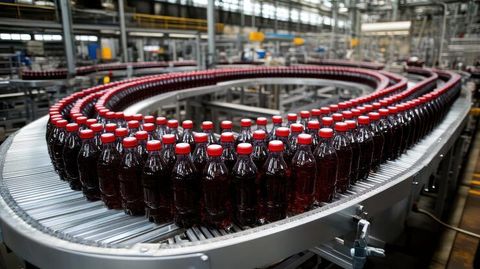
Conveyor Systems
Conveyor systems transport materials from one production stage to another.
They are frequently found in:
- Food processing facilities
- Warehouses
- Manufacturing plants
- Distribution centers
- Packaging operations
Conveyors reduce manual handling while improving workflow throughout the production line.
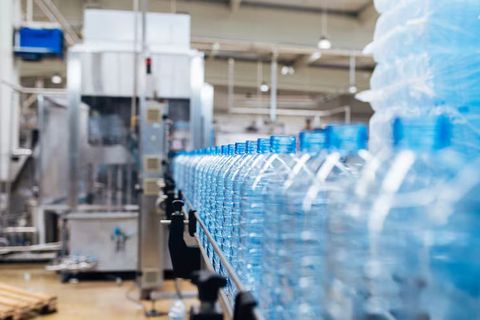
Packaging Machines
Packaging machines prepare products for storage and transportation.
Common packaging equipment includes:
- Filling machines
- Labeling machines
- Wrapping equipment
- Sealing machines
- Cartoning systems
These machines help maintain consistent packaging across large production volumes.
Automation in Industrial Machinery
Automation has transformed manufacturing during the past several decades.
Instead of relying entirely on manual operation, many industrial machines now include:
- Digital control panels
- Programmable controllers
- Vision inspection systems
- Robotic arms
- Position sensors
- Automatic measurement tools
Automation improves consistency while allowing operators to monitor multiple production processes at the same time.
However, automation still requires skilled personnel to program systems, inspect equipment, and respond when adjustments become necessary.
Industries That Use Industrial Machines
Industrial machinery supports many sectors around the world.
Examples include:
Automotive Manufacturing
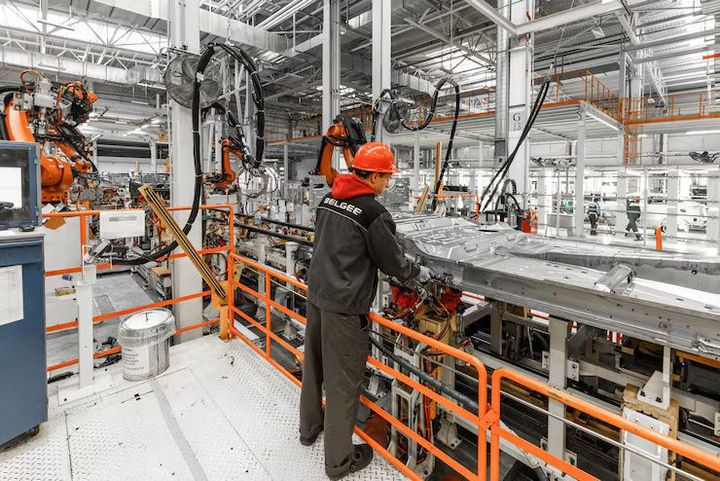
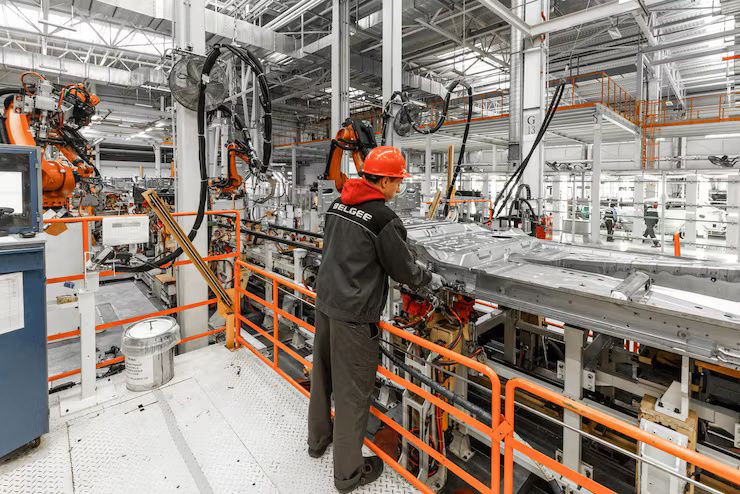
Vehicle production uses robotic welding equipment, painting systems, assembly robots, CNC machining centers, and inspection equipment.
Food Processing
Food factories rely on mixers, filling systems, conveyors, slicing equipment, packaging machines, and temperature-controlled processing equipment.
Textile Manufacturing
Textile facilities use weaving machines, spinning equipment, dyeing systems, fabric cutting machines, and sewing automation.
Construction Materials
Concrete plants, steel manufacturers, and brick production facilities use crushers, mixers, presses, and heavy material handling equipment.
Electronics Manufacturing
Electronic products require highly accurate machines capable of assembling very small components while maintaining consistent quality.
Safety Around Industrial Machines
Industrial equipment can involve moving parts, high temperatures, electrical systems, and heavy materials. Because of this, workplace safety is extremely important.
Common safety practices include:
- Wearing appropriate protective equipment
- Following operating instructions carefully
- Keeping machine guards in place
- Inspecting equipment before operation
- Reporting unusual noises or vibrations
- Keeping work areas clean
- Following emergency shutdown procedures
Safety training helps workers understand how to operate machinery responsibly while reducing workplace risks.
The Importance of Regular Maintenance
Even reliable industrial machines require routine maintenance.
Maintenance activities often include:
- Lubricating moving components
- Checking hydraulic systems
- Replacing worn parts
- Inspecting electrical connections
- Cleaning cooling systems
- Testing sensors
- Calibrating measuring equipment
Regular maintenance reduces unexpected downtime and helps machines continue operating efficiently over long periods.
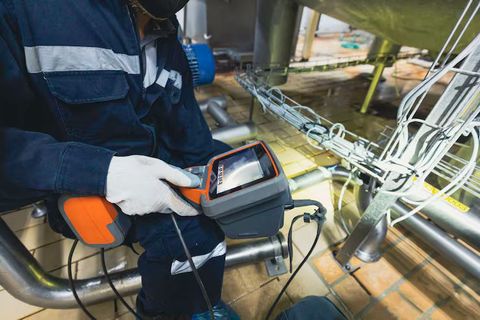
Many facilities now use predictive maintenance, where sensors monitor equipment performance and detect early signs of wear before significant problems develop.
Smart Technology in Industrial Machinery
Modern industrial machines increasingly connect to digital monitoring systems.
Smart technologies include:
- Internet-connected sensors
- Remote monitoring
- Production data analysis
- Machine performance tracking
- Automatic fault detection
- Energy monitoring
These technologies provide operators with valuable information that supports better planning and more efficient production management.
Environmental Considerations
Many industries are working to reduce environmental impact through improved machine design and efficient production methods.
Examples include:
- Lower energy consumption
- Reduced material waste
- Recycling production materials
- Improved filtration systems
- Better water management
- More efficient motors
Modern equipment often incorporates technologies that help manufacturers use resources more responsibly while maintaining production quality.
Choosing the Right Industrial Machine
Selecting industrial equipment depends on several practical factors.
Important considerations include:
- Production volume
- Material type
- Required precision
- Available workspace
- Energy requirements
- Maintenance needs
- Operator training
- Future production plans
Each manufacturing environment has unique requirements, making careful planning an important part of equipment selection.
The Future of Industrial Machines
Industrial machinery continues to evolve as digital technologies become more advanced.
Future developments may include:
- More intelligent automation
- Improved machine learning applications
- Enhanced predictive maintenance
- Greater connectivity between production systems
- More energy-efficient equipment
- Advanced robotic collaboration
These innovations aim to improve manufacturing processes while supporting safer and more efficient workplaces.
Conclusion
Exploring industrial machines provides valuable insight into how modern manufacturing operates. From CNC machines and hydraulic presses to conveyors and packaging equipment, every machine plays a specific role within the production process.
Automation, digital monitoring, and smart technologies continue to shape industrial environments, while safety and maintenance remain essential for reliable operation. Understanding these machines helps explain how countless everyday products are produced with consistency, precision, and efficiency.
As industries continue to develop new technologies, industrial machinery will remain a fundamental part of manufacturing across many sectors, supporting production processes that people rely on every day.