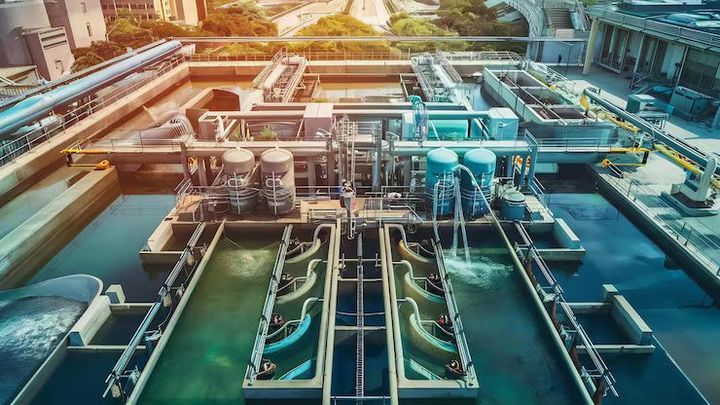
Industrial Water Recycling Guide: Explore Systems, Treatment Methods, Benefits, Technologies, Efficiency, Water Reuse, and Applications
Industrial water recycling refers to the process of collecting, treating, and reusing water generated during manufacturing and industrial activities. Instead of using water once and sending it directly for discharge, an industrial facility may treat suitable wastewater streams for another purpose within the same operation.
Industrial water recycling systems developed as industries sought ways to manage wastewater, reduce dependence on freshwater sources, and improve the efficiency of water use. The concept can involve relatively simple reuse processes or advanced treatment technologies, depending on the contaminants present and the intended application.
Water reuse follows a “fit-for-purpose” approach. This means the required treatment level depends on how the recycled water will be used. Water intended for equipment cleaning may require a different quality level from water used in a boiler or a sensitive manufacturing process.
How Industrial Water Recycling Works
A typical industrial water recycling process begins with the identification of wastewater sources. These may include process water, rinse water, cooling water, boiler blowdown, and wastewater generated during cleaning activities.
The water is then analyzed to identify contaminants such as suspended solids, oils, organic materials, dissolved salts, metals, or microorganisms. Based on the results, an appropriate treatment sequence is selected.
A simplified process may include:
- Collection of wastewater from industrial operations
- Removal of large particles and suspended materials
- Physical, chemical, or biological treatment
- Membrane filtration or other advanced treatment
- Disinfection or final polishing
- Storage and reuse for a suitable application
The exact structure of an industrial water recycling system depends on the industry, local regulations, water quality, and intended reuse purpose.
Importance
Industrial activities can require substantial quantities of water for cooling, cleaning, processing, heating, and other operations. Industrial water recycling can help facilities use available water resources more efficiently by returning appropriately treated water to selected applications.
This subject is important for manufacturers, plant operators, engineers, environmental managers, and communities located in regions facing pressure on local water resources. It also addresses the challenge of managing wastewater volumes and maintaining appropriate water quality for industrial processes.
Benefits of Water Reuse
The benefits of industrial water reuse extend beyond simply reducing freshwater consumption. Recycling can support more efficient resource management and reduce the amount of wastewater requiring discharge or external treatment.
Potential benefits include:
- Reduced dependence on freshwater sources
- Lower wastewater discharge volumes
- Improved monitoring of water use
- Recovery of water for suitable industrial applications
- Support for environmental management objectives
- Greater resilience in areas with limited water availability
The actual results depend on the facility's wastewater characteristics, treatment system, operational practices, and reuse requirements.
Common Industrial Water Recycling Applications
Recycled industrial water can be used in many applications when the treatment process produces water suitable for the intended purpose. Common uses include cooling systems, washing operations, utility processes, and selected manufacturing activities.
| Application | Possible Water Source | Typical Treatment Considerations |
|---|---|---|
| Cooling systems | Process wastewater | Filtration and water-quality control |
| Equipment washing | Rinse and process water | Removal of solids and contaminants |
| Boiler systems | Treated wastewater | Advanced purification and monitoring |
| Process operations | Internal wastewater streams | Treatment based on process requirements |
| Landscaping | Suitable treated effluent | Local regulatory requirements |
Industrial sectors such as manufacturing, energy production, food processing, mining, chemicals, and textiles can use different approaches to water recycling based on their operations.
Recent Updates
Growth of Advanced Treatment Technologies
From 2024 through 2026, industrial water reuse has continued to receive greater attention because of water scarcity concerns, changing environmental requirements, and improvements in treatment technology. Membrane-based treatment, advanced oxidation, and improved monitoring systems are increasingly important components of modern water recycling strategies.
Technologies such as ultrafiltration, nanofiltration, reverse osmosis, and membrane bioreactors can remove different categories of contaminants. However, the selection of technology depends on the wastewater composition and the required quality of the recycled water.
Digital Monitoring and Automation
Modern industrial water recycling systems increasingly use sensors and automated controls to monitor parameters such as flow, pH, conductivity, turbidity, and other indicators of water quality.
Continuous monitoring can help operators identify changes in wastewater characteristics and adjust treatment processes. Digital systems can also support recordkeeping and operational analysis.
Expansion of Closed-Loop Water Systems
Another current trend is the development of closed-loop or partially closed-loop industrial water systems. These systems aim to circulate treated water back into appropriate operations rather than relying entirely on a continuous supply-and-discharge model.
Some facilities also examine Zero Liquid Discharge systems, which use advanced processes to recover water and manage concentrated residual materials. These systems can involve significant technical complexity and are not necessary for every industrial application.
Laws or Policies
Industrial water recycling is influenced by environmental regulations, wastewater discharge requirements, water extraction rules, and industry-specific standards. The exact legal framework varies between countries, states, and local jurisdictions.
Water Quality Requirements
Regulations may establish requirements for wastewater discharged into water bodies, public sewer systems, or other approved destinations. Recycled water used within an industrial facility may also need to meet specific quality requirements based on its intended application.
Facilities may need to monitor parameters such as suspended solids, chemical contaminants, organic matter, and other pollutants. The applicable limits depend on the wastewater source and local regulatory framework.
Permits and Environmental Compliance
Some industrial facilities require permits for water extraction, wastewater discharge, or the operation of treatment infrastructure. Environmental authorities may also require monitoring records and periodic reporting.
Requirements can change according to location and industrial activity. For this reason, general information about industrial water recycling should not be treated as a substitute for technical or legal guidance specific to an individual facility.
Worker and Equipment Safety
Water recycling systems may use pumps, chemicals, pressure vessels, membranes, and electrical equipment. Their operation can therefore be affected by workplace safety rules and technical standards.
Proper procedures are important for handling treatment chemicals, maintaining equipment, and managing residual waste generated during treatment.
Tools and Resources
Water Quality Testing Equipment
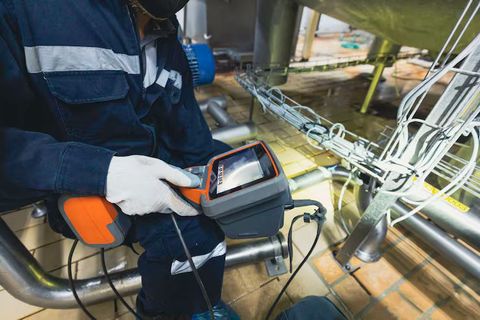
Water quality testing is an important part of industrial water recycling. Depending on the application, facilities may use laboratory testing or monitoring instruments to measure characteristics such as pH, conductivity, turbidity, dissolved solids, and other relevant parameters.
The information collected helps determine whether a water stream is suitable for a particular reuse application.
Water Balance Calculators
A water balance is a useful planning tool for understanding how water enters, moves through, and leaves an industrial facility. It can identify major consumption points and wastewater streams with potential for recycling.
A basic water balance may compare:
Total water input = water reused internally + water discharged + water remaining in processes or products
More detailed calculations may account for evaporation, leakage, treatment losses, and other operational factors.
Treatment Technology Databases
Technology databases and technical resources can help users understand which treatment methods are used for specific contaminants. The U.S. Environmental Protection Agency, for example, provides resources related to industrial water reuse and wastewater treatment technologies.
Engineering documents, regulatory publications, and industry guidance can also help organizations compare treatment approaches and understand the fit-for-purpose principle.
Monitoring and Data Management Systems
Digital monitoring tools can collect information from flow meters, sensors, and treatment equipment. These systems can support routine water management and help identify changes that may affect treatment performance.
The usefulness of a monitoring system depends on the quality of the collected data and the procedures used to interpret it.
FAQs
What is industrial water recycling?
Industrial water recycling is the process of treating wastewater or used process water so that it can be reused for an appropriate application. The treatment method depends on the water's contaminants and the quality required for its next use.
What are the main industrial water recycling systems?
Common systems may include physical filtration, biological treatment, chemical treatment, membrane filtration, and advanced polishing processes. Some facilities combine several technologies in a single treatment sequence.
How is recycled water used in industry?
Water reuse applications can include cooling systems, equipment washing, utility operations, boiler-related processes, and selected manufacturing activities. The required treatment level depends on the intended use.
What technologies are used for industrial water treatment?
Industrial water treatment technologies can include screening, sedimentation, coagulation, biological treatment, ultrafiltration, nanofiltration, reverse osmosis, activated carbon treatment, and disinfection. A system may use one or several of these methods.
Can every type of industrial wastewater be reused?
Not every wastewater stream can be reused in the same way. Reuse potential depends on the contaminants present, the available treatment technologies, applicable regulations, and the water quality requirements of the intended application.
Conclusion
Industrial water recycling involves collecting, treating, and reusing water from industrial processes for suitable applications. Treatment methods range from basic filtration and biological processes to advanced membrane technologies and automated monitoring systems. Water reuse can support more efficient resource management while reducing dependence on freshwater sources and limiting wastewater discharge. The appropriate system depends on wastewater characteristics, intended reuse applications, technical requirements, and applicable regulations.