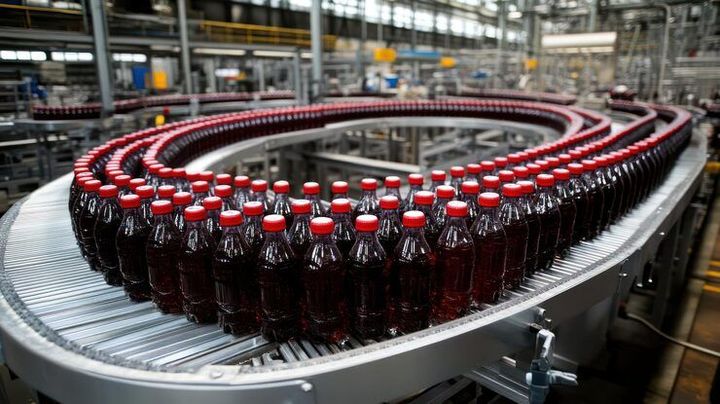
Bottle Capping Lines Guide: Explore Types, Components, Speed, Applications, and Planning Factors
Bottle capping lines are production systems designed to place and secure caps or closures on filled bottles. A bottle capping line can be part of a larger packaging process that includes bottle feeding, filling, cap placement, sealing, inspection, labeling, and product handling. These systems are used with many types of containers and products, including beverages, household products, cosmetics, and packaged food.
Early bottle-closing processes relied heavily on manual handling. As packaged products became more common, mechanical capping equipment was developed to make closure placement more consistent and suitable for continuous production. Modern systems can combine several machines and conveyors into one coordinated line.
The exact configuration depends on the bottle shape, cap design, product characteristics, production volume, and packaging requirements. Some lines use a single capping machine, while others integrate cap elevators, sorting equipment, conveyors, inspection devices, and automated controls.
What a Bottle Capping Line Does
The primary purpose of a bottle capping line is to position a closure on a container and secure it correctly. Depending on the packaging format, the system may use screw caps, snap-on caps, press-on closures, or other closure designs.
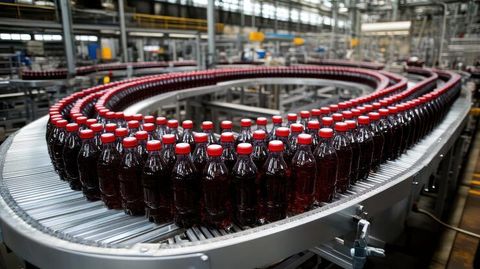
A typical process may involve moving filled bottles along a conveyor, separating or orienting caps, placing caps onto bottle openings, tightening or pressing the closures, and checking whether the finished containers meet defined process requirements.
Common Bottle Capping Line Configurations
Bottle capping systems can be configured in several ways:
- Inline capping lines move bottles continuously through sequential equipment.
- Rotary capping lines use rotating stations to process multiple bottles during each machine cycle.
- Monoblock systems combine filling and capping functions in a compact arrangement.
- Automatic capping lines use sensors, motors, controllers, and mechanical systems to coordinate operations.
- Semi-automatic systems require an operator to perform some handling or loading activities.
The configuration is normally determined by container dimensions, closure type, line speed, available floor space, and the level of automation required.
Importance
Bottle closures play an important role in packaging because they help contain the product and maintain the intended condition of the package during handling and distribution. An incorrectly positioned or inadequately secured closure can create leakage, contamination concerns, damaged packaging, or product loss.
Bottle capping lines also affect the coordination of a wider packaging operation. If capping operates significantly slower than filling or labeling, it can become a production bottleneck. If it operates too quickly without suitable controls, unstable bottles, misplaced caps, or other process problems may occur.
Why Capping Consistency Matters
A consistent closure process can help maintain uniform packaging characteristics across a production run. For screw-cap containers, factors such as application torque and cap alignment can affect the finished package.
Different closure systems require different methods of control. For example, a screw cap requires rotational movement, while a snap closure may depend more on controlled downward force and correct positioning.
Factors That Influence Line Performance
Several factors can affect bottle capping line performance:
- Bottle dimensions and material
- Closure size and design
- Product viscosity and filling condition
- Conveyor arrangement
- Cap orientation
- Machine configuration
- Target operating speed
- Changeover requirements
- Inspection systems
- Operator involvement
- Available floor space
Bottle stability is particularly important. Lightweight containers can move or deform during handling, which may affect cap placement and tightening.
Recent Updates
From 2024 through 2026, developments in bottle capping technology have generally followed broader packaging-industry trends toward automation, digital monitoring, flexible production, and improved process control.
Modern systems increasingly use electronic controls, servo-driven mechanisms, sensors, and programmable logic controllers to coordinate bottle movement and closure application. These technologies can allow equipment settings to be adjusted for different container and cap formats.
Automation and Digital Monitoring
Automated bottle capping lines can use sensors to detect bottle presence, cap position, machine conditions, and other process variables. When integrated with a broader packaging line, these signals can help coordinate filling, capping, labeling, and downstream handling.
Some systems also provide operator interfaces that display machine status, alarms, production information, and selected operating parameters. Digital monitoring can make it easier to identify interruptions and track changes during production.
Flexible Packaging Formats
Another continuing trend is greater flexibility between packaging formats. Packaging facilities may process multiple bottle sizes or closure types on the same general line, creating a need for practical changeover procedures and adjustable equipment.
Quick-change components, programmable settings, and modular machine layouts can reduce the amount of manual adjustment needed when moving between compatible formats. The actual changeover time depends on the equipment and packaging configuration.
Inspection and Quality Monitoring
Capping equipment is also increasingly integrated with inspection systems. Cameras, sensors, and other devices can check for conditions such as missing caps, incorrect cap placement, or visible packaging abnormalities.
These systems are particularly useful when capping is part of a larger automated packaging line. However, inspection capabilities vary by equipment and should not be assumed to detect every possible closure defect.
Laws or Policies
Bottle capping lines used in India may be affected by several categories of requirements, depending on the product being packaged, the facility, and the packaging material.
For food and beverage applications, the Food Safety and Standards Authority of India (FSSAI) establishes requirements covering food safety, packaging, labeling, and related activities. FSSAI's packaging regulations include provisions concerning materials that come into contact with food. Applicable requirements depend on the product and packaging format.
Environmental rules can also be relevant. India's Plastic Waste Management framework establishes requirements concerning plastic packaging and responsibilities associated with plastic waste. The exact obligations can vary according to the packaging material, business activity, and applicable rules.
Workplace safety requirements may also apply to automated packaging machinery. Rotating components, conveyors, electrical systems, pneumatic equipment, and moving machine parts can create workplace hazards. Appropriate guarding, operating procedures, maintenance practices, and worker training are therefore important.
Bureau of Indian Standards (BIS) resources can also be consulted for applicable Indian Standards related to packaging materials, machinery, electrical equipment, and safety. The relevant requirements depend on the specific equipment and application.
Regulatory requirements can change and may differ between product categories. Businesses should verify the rules applicable to their specific packaging operation rather than relying on general information.
Tools and Resources
Several resources can help readers understand and plan bottle capping operations.
Production Capacity Calculators
A basic line-capacity calculation can provide an initial estimate of theoretical output:
Theoretical bottles per hour = Bottles per minute × 60
For example, a machine operating at 100 bottles per minute has a theoretical throughput of 6,000 bottles per hour before accounting for stops, changeovers, inspection, maintenance, and other production factors.
Actual output is usually lower than theoretical capacity because production lines experience interruptions and operating constraints.
Line Layout Planning
A basic layout drawing can show the position of:
- Bottle infeed
- Filling equipment
- Cap sorting or feeding equipment
- Capping machine
- Inspection station
- Labeling equipment
- Conveyors
- Accumulation areas
- Finished-product handling
This type of planning can help identify space requirements and possible points where containers may accumulate.
Cap and Bottle Compatibility Records
A packaging specification sheet can record bottle dimensions, cap dimensions, neck finish, closure type, material, and applicable machine settings. Keeping these details together can help operators understand which combinations are intended for a particular line.
Manufacturer Manuals and Technical Standards
Equipment manuals provide machine-specific information about operating limits, adjustment procedures, maintenance, compatible components, and safety requirements. Standards organizations and government agencies can provide additional information about packaging and workplace requirements.
FAQs
What is a bottle capping line?
A bottle capping line is a packaging system that places and secures closures on filled bottles. It may operate as a standalone capping machine or as part of an integrated filling and packaging line.
How fast can a bottle capping line operate?
Bottle capping line speed varies considerably according to machine design, bottle size, closure type, and automation level. Speed may be specified in bottles per minute, but practical throughput also depends on interruptions, changeovers, container stability, and other line conditions.
What are the main components of a bottle capping line?
Common components include conveyors, bottle handling systems, cap feeders or elevators, cap placement mechanisms, capping heads, motors, sensors, control systems, guarding, and inspection equipment. The exact arrangement depends on the line configuration.
Which industries use bottle capping machines?
Bottle capping machines are used in beverage, food, personal care, household chemical, pharmaceutical, and other packaged-product industries. Equipment selection depends on the product, bottle, closure, hygiene requirements, and applicable regulations.
What should be considered when planning a bottle capping line?
Important planning factors include bottle and cap compatibility, required throughput, machine layout, automation level, changeover requirements, inspection needs, available floor space, operator access, maintenance access, and applicable safety and packaging requirements.
Conclusion
Bottle capping lines combine bottle handling, cap placement, closure application, and control systems to create a coordinated packaging process. Their configuration and speed depend on bottle dimensions, closure design, machine technology, automation, and production requirements. Recent developments have focused on digital monitoring, flexible formats, automated inspection, and improved process coordination. Planning a capping line requires consideration of technical, operational, safety, packaging, and regulatory factors.