Industrial Machinery Guide: Equipment Types, Working Principles, Uses and Features
Industrial machinery refers to mechanical equipment used in manufacturing, construction, agriculture, mining, transportation, packaging, and other industrial activities. These machines perform tasks such as cutting, shaping, lifting, mixing, drilling, transporting, assembling, and processing materials. An industrial machinery guide helps explain different equipment types, their working principles, common applications, and important technical features.
Context
Industrial machinery refers to mechanical equipment used in manufacturing, construction, agriculture, mining, transportation, packaging, and other industrial activities. These machines perform tasks such as cutting, shaping, lifting, mixing, drilling, transporting, assembling, and processing materials. An industrial machinery guide helps explain different equipment types, their working principles, common applications, and important technical features.
The development of industrial machinery is closely connected to the Industrial Revolution, when mechanical equipment began replacing many manual production activities. Early machines relied heavily on steam engines, mechanical gears, belts, and manual controls. Over time, electric motors, hydraulic systems, pneumatic components, and computerized controls introduced new ways to operate industrial equipment.
Today, industrial machinery includes equipment ranging from small workshop machines to large automated production systems. Some machines perform a single operation, while others combine multiple processes within an integrated production line. Their design depends on factors such as material characteristics, production requirements, operating conditions, and the type of work being performed.
Modern industrial equipment also incorporates sensors, programmable logic controllers, robotics, and digital monitoring systems. These technologies help coordinate machine operations and provide information about operating conditions. Understanding how industrial machinery works provides useful background for examining modern manufacturing and industrial production.
Importance
Industrial machinery plays an important role in producing the equipment, materials, components, and everyday products used across different industries. Manufacturing facilities depend on machines to process raw materials, maintain production sequences, and perform repetitive operations. Construction companies use heavy machinery for excavation, material movement, lifting, and infrastructure development.
Industrial equipment also addresses practical challenges involving physical effort, production consistency, material handling, and operational coordination. Machines can perform repetitive or physically demanding tasks under controlled operating conditions, although human supervision remains necessary for many applications.
Different industries depend on specific machinery categories:
Manufacturing: CNC machines, presses, welding equipment, and automated assembly systems support component production.
Construction: Excavators, cranes, bulldozers, and concrete mixers are used in building and infrastructure projects.
Agriculture: Tractors, harvesters, seeders, and irrigation equipment support agricultural activities.
Mining: Drilling machines, crushers, conveyors, and loaders are used for extracting and processing minerals.
Food processing: Industrial mixers, filling machines, packaging equipment, and refrigeration systems support food production.
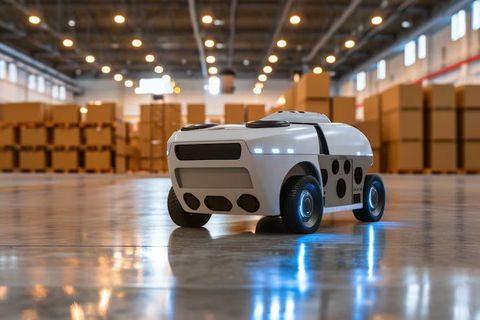
Warehousing: Forklifts, pallet conveyors, automated storage systems, and lifting equipment help move materials.
Industrial machinery also affects maintenance planning, workplace safety, energy consumption, and production scheduling. Equipment breakdowns can interrupt operations, while incorrect machine settings may affect product quality or create safety risks.
For these reasons, understanding machinery specifications, working conditions, maintenance requirements, and operating procedures is important for manufacturers, engineers, technicians, operators, and industrial planners.
Recent Updates
Industrial machinery has continued to develop between 2024 and 2026, particularly through automation, artificial intelligence, energy management, robotics, and connected equipment. Modern industrial systems increasingly combine mechanical components with digital technologies to monitor and coordinate production activities.
Industrial Automation and Smart Manufacturing
Industrial automation uses control systems and programmed equipment to perform manufacturing operations with reduced manual intervention. Programmable logic controllers, sensors, robotic arms, and automated conveyors are commonly integrated into production environments.
Smart manufacturing extends these systems by connecting machines, software, and production data. This allows industrial facilities to monitor equipment conditions, examine production information, and coordinate different manufacturing stages.
Artificial Intelligence in Industrial Machinery
Artificial intelligence is increasingly being incorporated into industrial monitoring and manufacturing applications. AI-based systems can analyze equipment readings, identify unusual operating patterns, and assist with production planning.
Predictive maintenance is one important application. Instead of relying only on fixed maintenance schedules, organizations can examine vibration, temperature, pressure, and other machine information to identify possible equipment problems.
However, predictions depend on data quality, model accuracy, and operating conditions. Human inspection and established maintenance procedures remain important.
Industrial Robotics and Collaborative Robots
Industrial robots are used for welding, painting, material handling, assembly, and packaging. Their movements are programmed according to the task, workspace, and safety requirements.
Collaborative robots, also known as cobots, are designed for certain applications involving interaction with human workers. Their use requires suitable risk assessments, protective measures, and operating procedures.
Energy-Efficient Industrial Equipment
Manufacturers are increasingly examining energy consumption when selecting and operating industrial machinery. High-efficiency electric motors, variable frequency drives, improved insulation, and energy monitoring systems are among the technologies used to manage electricity consumption.
These technologies are relevant to equipment such as pumps, compressors, conveyors, and ventilation systems.
Digital Twins and Remote Monitoring
A digital twin is a digital representation of a physical machine, system, or production process. It can use operational information to examine equipment behavior, simulate conditions, and support engineering analysis.
Remote monitoring technologies also allow authorized personnel to examine selected equipment readings through connected platforms. These systems require appropriate cybersecurity controls and reliable communication infrastructure.
Laws or Policies
In India, industrial machinery is influenced by workplace safety legislation, factory regulations, environmental requirements, electrical safety standards, and equipment-specific technical standards. The applicable rules depend on the machinery type, industrial activity, installation location, and operating conditions.
Occupational Safety, Health and Working Conditions Code
The Occupational Safety, Health and Working Conditions Code, 2020, provides a consolidated framework covering workplace health, safety, and working conditions. Its applicability and implementation depend on the relevant commencement notifications and rules.
The framework addresses matters such as workplace safety, employer responsibilities, and working conditions. Industrial facilities must consider applicable legal requirements when operating machinery and organizing workplace activities.
Factories Act and Industrial Safety Requirements
The Factories Act, 1948, has historically provided provisions concerning machinery safety, workplace conditions, and industrial operations. Its current applicability must be considered alongside the implementation of the newer labour codes and relevant state rules.
Industrial machinery operators and facility managers need to understand applicable requirements involving machine guarding, maintenance, safe operating procedures, and worker protection.
Bureau of Indian Standards
The Bureau of Indian Standards (BIS) develops Indian Standards covering different industrial products, materials, equipment, and safety-related requirements.
Depending on the machinery category, relevant standards may address electrical components, mechanical safety, testing procedures, performance characteristics, and equipment specifications. Some products may also fall under applicable mandatory certification or quality control requirements.
Environmental and Electrical Regulations
Industrial machinery may also be subject to environmental regulations involving noise, emissions, wastewater, and energy consumption. The Central Pollution Control Board and relevant State Pollution Control Boards oversee applicable environmental requirements.
Electrical installations and industrial equipment must also comply with relevant electrical safety regulations and technical standards. Requirements vary according to the equipment, installation, and industrial application.
Tools and Resources
Industrial machinery selection, operation, and maintenance involve different technical tools, measurement devices, software platforms, and reference materials. These resources help engineers and operators examine equipment specifications, monitor operating conditions, and organize maintenance activities.
Industrial Design and Engineering Software
Computer-aided design software is used to create and examine mechanical components, machine layouts, and industrial equipment models. Examples include AutoCAD, SolidWorks, and Autodesk Inventor.
Computer-aided engineering tools can also support structural analysis, motion simulation, and thermal evaluation. Their applications depend on the complexity of the machine and the engineering requirements.
Machine Monitoring and Measurement Tools
Different instruments help monitor industrial equipment during operation:
Vibration analyzers: Examine machine vibration and identify unusual operating patterns.
Temperature sensors: Monitor heat levels in motors, bearings, and processing equipment.
Pressure gauges: Measure pressure in hydraulic, pneumatic, and fluid systems.
Flow meters: Measure the movement of liquids and gases through industrial pipelines.
Power analyzers: Examine electrical consumption and operating characteristics.
Industrial Automation Platforms
Automation platforms help control machines and coordinate manufacturing processes. Examples include programmable logic controllers, supervisory control and data acquisition systems, and manufacturing execution systems.
These technologies are used to monitor production stages, collect equipment information, and coordinate industrial operations.
Industrial Machinery Types and Working Principles
The following table summarizes common machinery categories and their general applications.
| Machinery type | Working principle | Common applications |
|---|---|---|
| CNC machines | Computer-controlled cutting and machining | Metal and plastic component production |
| Hydraulic presses | Pressure generated through hydraulic fluid | Forming, pressing, and molding |
| Industrial pumps | Mechanical energy moves fluids | Water, chemicals, and oil circulation |
| Air compressors | Mechanical energy compresses air | Pneumatic tools and production systems |
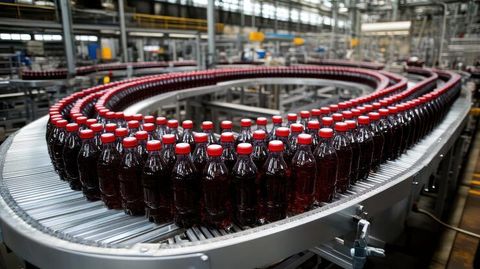
| Conveyors | Continuous mechanical movement of materials | Warehousing and manufacturing |
| Industrial robots | Programmed mechanical movement | Welding, assembly, and packaging |
| Excavators | Hydraulic systems operate digging mechanisms | Construction and mining |
| Injection molding machines | Heated material is injected into a mold | Plastic component manufacturing |
Maintenance and Technical Documentation
Equipment manuals, maintenance logs, inspection checklists, and manufacturer specifications are important industrial resources. They provide information about operating limits, lubrication intervals, replacement components, and maintenance procedures.
Maintenance management software can also help organize inspection schedules, record equipment history, and monitor maintenance activities.
FAQs
What are the main types of industrial machinery?
Common industrial machinery types include CNC machines, hydraulic presses, industrial pumps, compressors, conveyors, packaging machines, construction equipment, and industrial robots. Each category performs specific operations depending on its design and application.
How does industrial machinery work?
Industrial machinery generally converts electrical, hydraulic, pneumatic, or mechanical energy into useful movement or processing activity. Motors, gears, cylinders, sensors, and control systems work together to perform specific tasks.
What is the role of automation in industrial machinery?
Automation allows machines to perform programmed operations through controllers, sensors, and software. It is used in manufacturing, material handling, packaging, inspection, and production monitoring.
Which industries use heavy industrial machinery?
Construction, mining, agriculture, manufacturing, transportation, and infrastructure development use heavy industrial machinery. Equipment types vary according to material handling, excavation, processing, and production requirements.
What is predictive maintenance in industrial equipment?
Predictive maintenance uses equipment information, including temperature, vibration, and pressure readings, to identify possible signs of developing mechanical problems. It supports maintenance planning and equipment condition monitoring.
Conclusion
Industrial machinery includes a wide range of equipment used in manufacturing, construction, agriculture, mining, and other industrial activities. Different machines operate through mechanical, electrical, hydraulic, pneumatic, and computerized systems to perform specialized tasks. Automation, robotics, artificial intelligence, and digital monitoring continue to influence modern industrial equipment. Machine safety, maintenance, energy consumption, and applicable regulations remain important considerations throughout industrial operations.