UPS Systems Overview: Understanding Types, Functions, and Backup Power Applications
UPS systems, short for uninterruptible power supply systems, are designed to provide temporary electrical power when the main power source fails or becomes unstable.
They developed alongside computers, telecommunications equipment, industrial machinery, and other electrical systems that require continuous and stable power.
A UPS battery backup system normally contains batteries, power conversion components, control electronics, and monitoring functions. During normal operation, the unit manages incoming electricity and keeps its batteries charged. When an outage or major voltage problem occurs, stored energy supports connected equipment for a limited period.
Common Types of UPS Systems
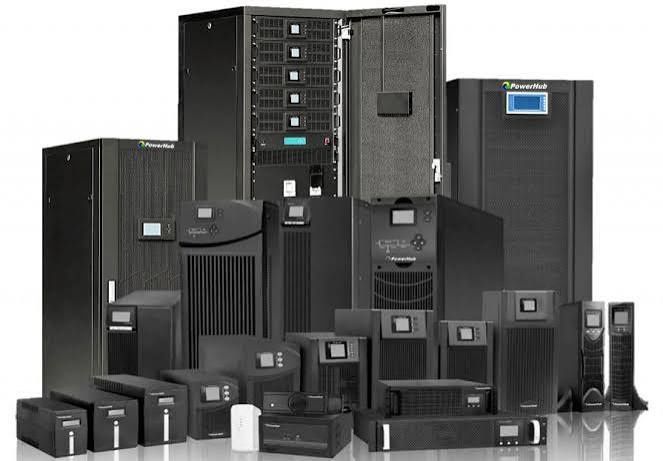
Different UPS designs are used according to power quality needs and equipment sensitivity.
| UPS Type | Basic Function | Common Application |
|---|---|---|
| Standby UPS | Switches to battery during a power interruption | Small electronics and basic equipment |
| Line-interactive UPS | Adjusts moderate voltage changes | Network equipment and small server environments |
| Online UPS system | Continuously converts incoming power | Data centers and critical equipment |
| Three phase UPS system | Handles larger three-phase electrical loads | Industrial plants and large facilities |
| Modular UPS systems | Uses separate power modules | Expandable enterprise and data center environments |
Industrial UPS systems are commonly designed for demanding electrical environments, while commercial UPS systems support offices, communication networks, medical facilities, and large buildings. High capacity UPS system configurations may support substantial electrical loads where short interruptions could affect important operations.
Importance
Modern life depends heavily on electronic equipment and digital systems. Power interruptions, voltage drops, surges, and electrical disturbances can cause computers to shut down, interrupt communications, stop automated processes, or damage sensitive components.
An industrial power backup system can provide temporary support while another power source starts or while equipment is shut down safely. In factories, industrial UPS systems may protect control systems, monitoring equipment, and automated machinery.
Data center UPS systems play a similar role in digital infrastructure. UPS systems for data centers help maintain power to servers, storage equipment, and network hardware during electrical disturbances. A server room UPS system may support a smaller computing environment, while enterprise power backup systems can cover larger facilities.
Critical power protection systems are also important in locations where continuity affects safety or essential operations. Mission critical UPS systems may be used where even a brief interruption could disrupt important processes.
Recent Updates
From 2024 through 2026, the general trend has moved toward modular designs, higher power density, improved monitoring, and closer integration with energy management systems. Modular UPS systems are increasingly used in large computing environments because capacity can be arranged in separate power modules.
Growth in cloud computing, artificial intelligence infrastructure, automation, and large data facilities has also increased attention on data center UPS systems and high power three phase UPS configurations. These environments can have rapidly changing electrical loads, creating a need for advanced power protection systems with detailed monitoring and control.
Battery technology is another area of development. Modern UPS designs increasingly use advanced battery management functions to track temperature, charge status, operating conditions, and expected battery performance. Remote monitoring platforms can also help facility teams identify abnormal conditions before they develop into wider power problems.
Laws or Policies
In India, UPS equipment and electrical installations can be affected by national electrical safety requirements and technical standards. The Bureau of Indian Standards maintains standards covering safety requirements for certain UPS and inverter categories, including IS 16242 for applicable equipment.
The Central Electricity Authority also maintains regulations concerning electrical safety and electric supply. These rules address areas such as installation, protection, inspection, operation, and maintenance of electrical systems.
Requirements can vary according to equipment rating, voltage level, battery technology, building type, and intended application. Large industrial UPS systems and data center UPS systems may also need to follow facility-specific fire safety, electrical protection, battery handling, ventilation, and environmental requirements.
Tools and Resources
Several tools can help people understand and plan UPS applications:
- UPS sizing calculators estimate the required power rating from connected electrical loads.
- Runtime calculators estimate how long a UPS battery backup system may support equipment under a defined load.
- Battery monitoring platforms track voltage, temperature, charge condition, and other operating information.
- Power quality analyzers measure voltage variations, harmonics, interruptions, and related electrical conditions.
- Load assessment templates help document equipment ratings and expected power demand.
- BIS and Central Electricity Authority resources provide information about applicable Indian standards and electrical safety rules.
These resources support general planning, but technical specifications should be checked against the actual electrical environment and equipment requirements.
FAQs
What is the main purpose of UPS systems?
UPS systems provide temporary backup electricity and help protect connected equipment from certain power interruptions and electrical disturbances. They can keep equipment operating briefly or allow controlled shutdown procedures.
How does an online UPS system work?
An online UPS system continuously converts incoming electricity before supplying power to connected equipment. This design provides a high level of separation between the incoming power source and sensitive equipment.
Why are data center UPS systems important?
Data center UPS systems support servers, storage devices, and network equipment during power disturbances. They form part of the wider power continuity arrangement used in digital facilities.
What is a three phase UPS system?
A three phase UPS system is designed for electrical environments using three-phase power. It is commonly associated with larger industrial, commercial, and data center loads.
What are modular UPS systems?
Modular UPS systems use separate power modules that work together within a larger arrangement. This structure can support capacity expansion and planned redundancy in larger installations.
Conclusion
UPS systems are an important part of modern electrical infrastructure, supporting equipment during outages and unstable power conditions. Different designs, including online, modular, industrial, commercial, and three-phase systems, address different power requirements. Current developments focus on monitoring, modular architecture, battery management, and integration with complex digital and industrial environments. Understanding system type, load requirements, safety standards, and operating conditions helps explain how backup power applications are planned.