Heavy Duty Conduits Overview: Uses, Features, Installation, and Protection Methods
Heavy duty conduits are protective pathways designed to carry and shield electrical wiring in environments,
where cables may face physical impact, moisture, dust, chemicals, vibration, or other demanding conditions. A heavy duty electrical conduit creates a defined route for conductors while reducing direct exposure to surrounding hazards. These systems are commonly found in factories, infrastructure projects, utility areas, commercial buildings, transport facilities, and outdoor electrical installations.
The development of industrial electrical conduit systems is closely connected with the expansion of electrical power networks and mechanized industries. As buildings and industrial sites began using more electrical equipment, exposed wiring became unsuitable for many locations. Protective conduit systems developed as a practical way to organize cables and reduce the likelihood of damage.
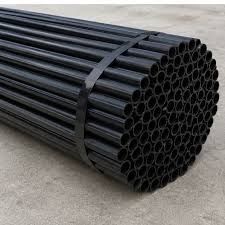
Modern heavy duty conduits may be made from steel, other metals, or non-metallic materials selected for particular environmental conditions. Common examples include rigid metal conduit, galvanized steel conduit, rigid steel conduit, flexible metal conduit, and certain forms of underground electrical conduit.
How conduit systems work
A conduit forms an enclosed or partly enclosed pathway through which electrical conductors are routed. Depending on the design, it may run along walls, across ceilings, through structural areas, below ground, or around machinery.
An industrial conduit system normally includes more than the conduit itself. Heavy duty conduit fittings, connectors, couplings, bends, junction boxes, supports, and sealing components may all form part of the complete pathway. The compatibility of these components affects alignment, mechanical stability, and environmental protection.
Common types of heavy duty electrical conduit
Different conduit materials and structures suit different applications. The following table provides a general comparison.
| Conduit Type | Main Characteristics | Common Applications |
|---|---|---|
| Rigid metal conduit | Thick metal wall and strong physical protection | Industrial plants, exposed wiring routes |
| Galvanized steel conduit | Steel with a protective zinc coating | Indoor and outdoor industrial locations |
| Rigid steel conduit | Strong steel construction | Areas exposed to impact or mechanical stress |
| Flexible metal conduit | Flexible structure for movement and tight routing | Machinery connections and vibrating equipment |
| Underground electrical conduit | Designed for buried cable pathways | Utilities, outdoor infrastructure, site distribution |
| Heavy duty cable conduit | Protective pathway for demanding cable routes | Industrial and commercial installations |
Material selection depends on the installation environment, electrical requirements, exposure conditions, and applicable technical rules.
Importance
Heavy duty conduits play an important role because electrical wiring often passes through areas where accidental damage can occur. Cables may be exposed to moving equipment, construction activity, moisture, heat, vibration, dust, or contact with other materials. A protective conduit creates a physical barrier between the conductors and many of these external conditions.
For everyday people, conduit systems are often hidden from view, yet they support the electrical infrastructure used in workplaces, public buildings, transport systems, residential developments, and commercial facilities. Their function is mainly preventive: they help maintain organized cable pathways and reduce direct exposure of wiring.
Protection against physical damage
One of the main purposes of heavy duty electrical conduit is mechanical protection. A rigid metal conduit or rigid steel conduit can provide a strong barrier where cables might otherwise be crushed, struck, or disturbed.
This is particularly relevant in industrial environments where equipment, tools, vehicles, and materials may move close to electrical routes. Heavy duty cable conduit can also help separate electrical wiring from surrounding activity.
Environmental protection
Electrical systems may operate in areas affected by water, dust, corrosion, or changing temperatures. Galvanized steel conduit is commonly associated with applications where its zinc coating helps protect the underlying steel from environmental exposure.
The conduit type alone does not determine the protection level. Fittings, joints, seals, drainage arrangements, and installation methods also influence how an industrial electrical conduit performs in its surroundings.
Organization and maintenance access
Industrial conduit systems create planned routes for electrical conductors. Organized routing can make electrical layouts easier to identify, inspect, and modify when changes are required.
Clear pathways are especially important in facilities containing many circuits. Advanced industrial conduit systems may use coordinated layouts, labeling methods, digital drawings, and structured routing plans to improve understanding of complex electrical networks.
Applications across different environments
Heavy duty conduits appear in many settings, including:
- Manufacturing and processing facilities
- Warehouses and distribution buildings
- Commercial electrical conduit networks
- Transport and infrastructure projects
- Utility and energy facilities
- Outdoor electrical installations
- Underground cable routes
- Machinery and equipment connections
- Data and communication infrastructure
Each environment can create different demands. A fixed exposed route may require rigid protection, while equipment that moves or vibrates may use flexible metal conduit in appropriate sections.
Recent Updates
The general trend in conduit technology during the 2024–2026 period has focused on durability, installation planning, material performance, and compatibility with increasingly complex electrical infrastructure. Industrial facilities now commonly contain power cables, communication lines, control wiring, sensors, and automated equipment, increasing the need for organized cable pathways.
Greater attention to system planning
Modern projects increasingly consider conduit routing during early design stages rather than treating cable pathways as a later addition. Digital building models and electrical design platforms can help planners examine conduit routes before physical installation begins.
This approach can identify crowded pathways, difficult bends, equipment conflicts, and access limitations. It can also support coordination between electrical layouts and other building systems.
Development of material options
Conduit materials continue to develop for different exposure conditions. Steel remains important where strong mechanical protection is required, while other materials may be selected for corrosion resistance, lower weight, or particular installation environments.
The current trend is toward matching the conduit material more closely with the conditions of the location. Factors such as moisture, chemical exposure, sunlight, temperature, vibration, and physical impact are considered during system planning.
More structured industrial cable management
Modern industrial facilities often contain a larger number of connected devices and automated controls. This has increased attention to separation between power, control, communication, and data wiring.
Advanced industrial conduit systems may form part of a broader cable-management strategy. Accurate labeling, documented routes, suitable spacing, and coordinated pathways can help reduce confusion in complex installations.
Focus on installation consistency
Another current trend involves greater use of standardized components and documented installation practices. Conduit dimensions, fittings, support spacing, bending limits, and environmental ratings are considered together rather than as separate details.
An electrical conduit manufacturer may produce conduit and compatible components according to recognized technical standards. However, suitability still depends on the intended application and the rules applying to the installation location.
Laws or Policies
Electrical conduit installations are generally shaped by national electrical rules, building regulations, workplace safety requirements, and technical standards. The exact requirements differ between countries and regions, so conduit selection and installation methods are normally based on the rules that apply where the electrical system is located.
Electrical codes and technical standards
Electrical codes commonly address matters such as conductor protection, conduit fill, grounding or bonding, support methods, permitted locations, and installation around moisture or hazardous conditions. These rules help create consistent approaches to electrical construction.
Rigid metal conduit, flexible metal conduit, underground electrical conduit, and other conduit types may have different permitted uses. A material suitable for one environment may not be appropriate for another.
Product standards
Conduit products and fittings may be manufactured according to national or international technical standards. These standards can define characteristics such as dimensions, material properties, mechanical strength, corrosion protection, and testing methods.
Markings on conduit products may provide information about the material, standard, size, or intended application. Such information helps identify whether a component matches the planned electrical system.
Workplace and building requirements
Industrial and commercial sites may also be affected by workplace safety rules and building regulations. Electrical pathways should not create unnecessary physical hazards or interfere with access routes and building systems.
Underground electrical conduit may be subject to requirements concerning burial depth, route protection, identification, and separation from other utilities. Requirements vary according to local conditions and the type of electrical circuit involved.
Tools and Resources
Several tools and information resources can help with the planning and understanding of heavy duty conduits. These resources are mainly used to examine dimensions, routing, cable capacity, and compatibility.
Conduit fill calculators
A conduit fill calculator helps estimate how much internal conduit space is occupied by electrical conductors. Electrical rules often limit the permitted fill level because overcrowded pathways can make conductor installation difficult and affect heat management.
The calculation usually considers:
- Internal conduit dimensions
- Number of conductors
- Conductor dimensions
- Applicable electrical code limits
Conduit bending tools
Bending tools are used to form certain metal conduits around obstacles and changes in direction. Common equipment includes hand benders, mechanical benders, and powered bending equipment.
Correct bending matters because excessive deformation can reduce the internal space available for conductors. The permitted bend radius and total number of bends may also be controlled by applicable electrical rules.
Digital design platforms
Computer-aided design and building information modeling platforms can help map industrial conduit systems. These tools allow planners to coordinate electrical pathways with structural elements, ventilation systems, piping, and equipment.
Digital models can also document conduit sizes, routes, junction points, and related components. This information may support later inspection and system changes.
Technical references and templates
Useful references may include electrical codes, manufacturer technical documents, conduit sizing charts, inspection checklists, cable schedules, and installation drawings. These materials can help explain how different components fit into a complete conduit system.
Templates for route identification and cable records can also support organized documentation in large industrial and commercial environments.
FAQs
What are heavy duty conduits used for?
Heavy duty conduits are used to protect and organize electrical conductors in locations where wiring may face physical impact, moisture, dust, vibration, or other demanding conditions. They are common in industrial, infrastructure, commercial, outdoor, and underground applications.
What is the difference between rigid metal conduit and flexible metal conduit?
Rigid metal conduit has a firm structure that provides strong mechanical protection along fixed cable routes. Flexible metal conduit can bend more easily and is often used for short connections to equipment where movement, vibration, or difficult routing conditions are present.
Where is heavy duty electrical conduit commonly installed?
Heavy duty electrical conduit may be installed in factories, warehouses, commercial buildings, utility areas, transport facilities, outdoor sites, and underground routes. The specific conduit material and installation method depend on environmental conditions and applicable electrical rules.
Why are heavy duty conduit fittings important?
Heavy duty conduit fittings connect sections of conduit and help create bends, transitions, terminations, and entry points. Properly matched fittings contribute to mechanical stability and can support the intended level of environmental protection.
How are industrial conduit systems selected?
Industrial conduit systems are selected by considering cable type, conduit dimensions, physical exposure, moisture, corrosion, temperature, vibration, installation location, and applicable electrical regulations. The complete pathway, including fittings and supports, should be considered as one coordinated system.
Conclusion
Heavy duty conduits provide structured pathways that protect electrical wiring across industrial, commercial, infrastructure, outdoor, and underground environments. Materials such as galvanized steel conduit, rigid steel conduit, and flexible metal conduit address different routing and exposure conditions. Modern conduit planning increasingly uses coordinated layouts, digital design tools, standardized components, and detailed documentation. Applicable electrical codes and technical standards remain important factors in how conduit systems are selected and installed.