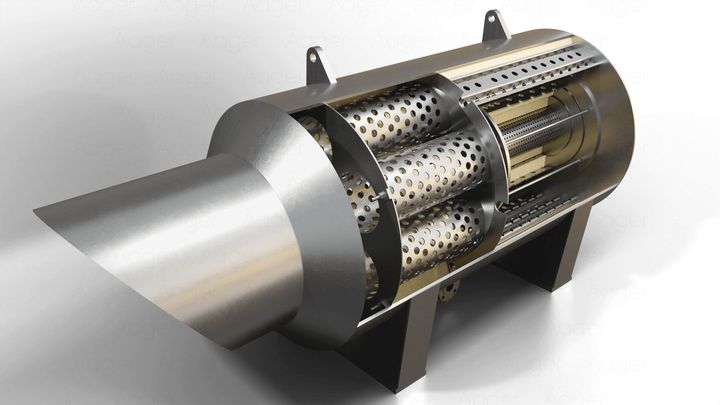
Industrial Silencers Overview: Important Details for Efficient Noise Reduction Systems
Industrial silencers play an important role in reducing unwanted sound produced by machines, ventilation equipment, exhaust systems, and pressurized gas release.
An industrial silencer is designed to lower noise levels while allowing air, steam, or gases to move through a system with minimal disruption. These components are commonly used in manufacturing facilities, power generation sites, processing plants, and other industrial environments where loud equipment operates regularly.
As industries continue to focus on workplace safety and environmental responsibility, industrial noise control has become an important part of facility planning. Different types of industrial silencers, including exhaust silencer units, acoustic silencer designs, steam vent silencer systems, blower silencers, compressor silencers, and exhaust system silencers, are developed for different applications depending on the type of equipment and the level of noise produced.
Context
Understanding industrial silencers
Industrial equipment often generates sound through moving air, high-pressure steam, combustion gases, rotating machinery, or compressed air systems. Without proper noise reduction equipment, these sounds may affect workers, nearby communities, and equipment maintenance planning.
An industrial muffler or industrial silencer works by reducing sound energy before it leaves a machine or pipeline. Depending on the application, different internal designs such as absorptive, reactive, or combination chambers help reduce noise without completely restricting airflow.
Common types of industrial silencers
Several varieties of industrial noise suppression equipment are used across different industries.
| Silencer Type | Typical Application | Main Purpose |
|---|---|---|
| Exhaust silencer | Engines and generators | Reduces exhaust noise |
| Acoustic silencer | Ventilation systems | Controls airflow noise |
| Steam vent silencer | Steam release systems | Reduces high-pressure steam noise |
| Blower silencers | Industrial blowers | Lowers intake and discharge sound |
| Compressor silencers | Air compressors | Reduces pulsation and airflow noise |
| Exhaust system silencers | Industrial exhaust networks | Controls overall exhaust sound |
How industrial silencers reduce sound
Most industrial acoustic solutions use one or more sound reduction methods.
- Absorption through sound-absorbing materials
- Reflection using specially designed chambers
- Expansion of airflow to reduce sound pressure
- Diffusion that spreads sound energy before it exits the system
- Combination designs that use multiple techniques together
Each design is selected according to operating pressure, airflow, temperature, and acceptable noise limits.
Importance
Why industrial noise control matters
Excessive industrial noise can affect both people and equipment. Long-term exposure to high sound levels may create communication difficulties, increase workplace fatigue, and make it harder to recognize warning signals.
Industrial noise control helps create quieter working environments while supporting smoother operation of industrial facilities. Properly selected noise control silencers also help organizations meet environmental noise expectations established by local authorities.
Industries that commonly use industrial silencers
Industrial silencers are found in many sectors, including:
- Power generation
- Oil and gas processing
- Chemical manufacturing
- Food processing
- Water treatment facilities
- Mining operations
- Pulp and paper production
- Metal processing
- HVAC systems
- Marine applications
Each environment produces different sound characteristics, making application-specific silencer selection important.
Factors influencing silencer selection
Engineers evaluate several technical factors before choosing an industrial silencer.
These commonly include:
- Airflow volume
- Operating pressure
- Gas or steam temperature
- Desired noise reduction level
- Available installation space
- Moisture and corrosion conditions
- Equipment operating cycle
Balancing these factors helps achieve effective industrial noise suppression without significantly affecting system performance.
Industrial muffler versus acoustic silencer
Although the two names are sometimes used interchangeably, there are small differences depending on the application.
An industrial muffler is frequently associated with engine exhaust systems, while an acoustic silencer is commonly designed for ventilation ducts, fans, blowers, and process piping. Both have the same overall objective of reducing unwanted sound.
Recent Updates
Growing focus on quieter industrial facilities
Current industry trends continue to emphasize quieter industrial operations. Many organizations are incorporating industrial acoustic solutions during the planning stage instead of adding them later after facilities become operational.
Noise prediction software is also becoming more common, allowing engineers to estimate sound levels before equipment installation.
Improved design and manufacturing methods
Modern industrial silencers increasingly use computer modeling to improve airflow while reducing sound transmission. Digital simulations help designers compare different chamber arrangements before production begins.
Improved corrosion-resistant materials are also becoming more widely used in applications involving moisture, chemicals, or elevated temperatures.
Greater integration with environmental planning
Industrial projects increasingly include environmental noise studies alongside air quality and energy planning. This broader approach supports more balanced facility development while considering nearby residential and commercial areas.
Monitoring technology
Many industrial facilities now use sound monitoring equipment to evaluate overall plant noise. These monitoring systems help identify locations where exhaust silencer units, compressor silencers, or blower silencers may improve overall noise management.
Laws or Policies
Workplace noise regulations
Many countries establish workplace noise exposure limits through occupational safety regulations. These rules generally require employers to evaluate workplace sound levels and implement suitable noise reduction measures when exposure exceeds established limits.
Although specific requirements differ by country, industrial noise control is commonly recognized as an important part of workplace safety programs.
Environmental noise regulations
Industrial facilities may also be subject to environmental noise limits intended to reduce sound affecting nearby communities. These regulations often establish acceptable sound levels during daytime and nighttime operation.
Noise measurements may be conducted at property boundaries or other designated monitoring locations depending on local requirements.
Equipment standards
Industrial silencers are frequently designed according to engineering standards covering pressure equipment, structural integrity, material selection, and acoustic performance. Compliance requirements vary according to industry and national regulations.
Facilities constructing new industrial installations generally consider applicable environmental, occupational safety, and engineering requirements during project planning.
Tools and Resources
Noise measurement tools
Several commonly used tools assist engineers when evaluating industrial sound levels.
These include:
- Sound level meters
- Noise dosimeters
- Acoustic analyzers
- Frequency spectrum analyzers
- Vibration measurement instruments
These tools help identify primary noise sources and measure overall sound performance.
Design software
Computer-aided engineering software is widely used when developing industrial acoustic solutions. Simulation software allows engineers to evaluate airflow characteristics, pressure changes, and predicted noise reduction before equipment fabrication.
Standards and technical references
Many organizations publish technical guidance related to industrial noise control, including acoustic measurement methods, environmental noise assessment procedures, and equipment testing practices. These documents support consistent evaluation across different industries.
Maintenance planning resources
Facility maintenance teams often use inspection checklists for industrial silencers. Typical inspection items include:
- External corrosion
- Internal wear
- Loose mounting components
- Blockages affecting airflow
- Damage after high-temperature operation
Routine inspections help maintain expected acoustic performance throughout equipment operation.
FAQs
What is an industrial silencer?
An industrial silencer is a device that reduces unwanted sound produced by industrial equipment while allowing air, steam, or gases to continue flowing through the system. It is widely used as part of industrial noise control programs.
How does an exhaust silencer reduce noise?
An exhaust silencer reduces sound by directing exhaust gases through specially designed chambers and sound-absorbing materials. The internal design decreases sound energy before the gases leave the exhaust system.
Where are steam vent silencer systems commonly used?
Steam vent silencer equipment is commonly installed in power plants, manufacturing facilities, and processing industries where high-pressure steam is released. These systems help reduce the intense noise generated during steam discharge.
What is the difference between blower silencers and compressor silencers?
Blower silencers primarily reduce intake and discharge noise from industrial blowers, while compressor silencers are designed to reduce airflow noise and pressure pulsations associated with compressed air equipment.
Are industrial acoustic solutions only used in large factories?
No. Industrial acoustic solutions can also be used in utility facilities, commercial mechanical systems, energy infrastructure, water treatment plants, and other locations where equipment produces significant operational noise.
Conclusion
Industrial silencers are widely used to reduce noise generated by machinery, exhaust systems, steam release equipment, and compressed air systems. Different designs, including exhaust silencer units, acoustic silencer systems, blower silencers, compressor silencers, and steam vent silencer equipment, address different operational needs. Industrial noise control continues to evolve alongside improvements in engineering design, digital modeling, and environmental planning. Understanding how these systems function provides a clearer picture of their role in creating quieter industrial environments.