Electrical Panels Overview: How Power Distribution and Circuit Control Systems Work
Electrical panels are central parts of modern electrical systems.
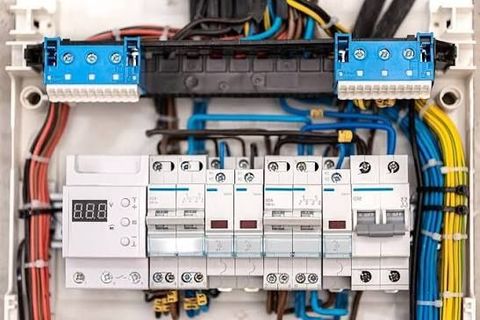
They receive electrical power from a utility connection, transformer, generator, or another source and distribute it safely to different circuits. From homes and offices to factories and large facilities, electrical panels help organize power flow and protect electrical equipment from abnormal conditions.
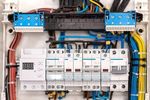
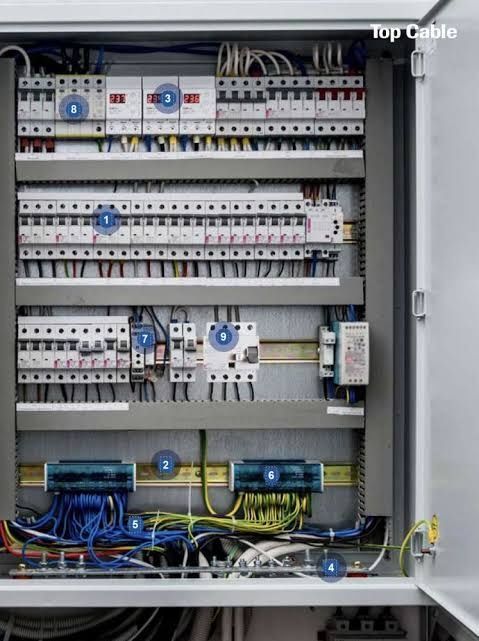
The basic idea developed alongside the expansion of electrical grids and industrial machinery. As buildings began using more lighting, motors, appliances, and automated equipment, organized systems were needed to divide power into manageable circuits. Modern power distribution panels combine protective devices, switching components, monitoring instruments, and control equipment within an enclosed structure.
Main Types of Electrical Panels
Different environments require different panel configurations. Industrial electrical panels often manage machinery and production equipment, while commercial electrical panels distribute electricity across offices, retail buildings, hospitals, and other facilities.
Common panel types include:
- Electrical control panels for managing equipment and automated processes
- Industrial control panel systems for coordinating machinery
- Motor control panel units for controlling electric motors
- Automatic control panel systems that respond to programmed conditions
- Switchgear control panel assemblies for switching and protection
- High voltage electrical panel equipment for higher electrical loads
- Low voltage distribution panel units for lower-voltage circuits
An electrical panel manufacturer generally designs and assembles panels according to technical specifications, electrical ratings, environmental conditions, and applicable standards. Custom electrical panels may be developed when standard configurations do not match a facility's operational requirements.
Importance
Electrical panels matter because electricity must be distributed in a controlled and protected manner. Without proper circuit separation and protective equipment, an electrical fault in one area could affect a much larger part of a building or facility.
Electrical switchgear systems and panel assemblies can help isolate faults, control circuits, and reduce the spread of electrical problems. Circuit breakers, fuses, relays, contactors, and disconnecting devices perform different protective and control functions.
| Panel Type | Main Function | Common Setting |
|---|---|---|
| Power distribution panels | Divide incoming power among circuits | Buildings and facilities |
| Electrical control panels | Manage electrical equipment | Automated systems |
| Motor control panel | Start, stop, and protect motors | Industrial facilities |
| Switchgear control panel | Control and isolate electrical circuits | Large power systems |
| Low voltage distribution panel | Distribute lower-voltage power | Commercial and industrial sites |
Electrical panel installation also affects system safety and reliability. Incorrect wiring, poor grounding, unsuitable protective devices, or overloaded circuits can increase the risk of equipment damage, electrical shock, and fire.
An electrical panel upgrade or electrical panel replacement may become necessary when existing equipment no longer matches current electrical demand, has deteriorated, or cannot support newer systems. Any such work should follow applicable electrical rules and be handled by appropriately qualified personnel.
Recent Updates
From 2024 to 2026, the general trend in electrical panel technology has focused on digital monitoring, automation, energy management, and improved fault detection. Modern panels increasingly include sensors and communication systems that provide information about voltage, current, temperature, and equipment status.
Industrial electrical panels are also becoming more connected with building management and factory automation systems. Data from an industrial control panel can support maintenance planning and help operators identify unusual operating conditions.
Another trend is the growing use of modular designs. Modular arrangements can make electrical systems easier to organize, inspect, and adapt when equipment requirements change. Automatic control panel technology is also expanding as facilities use programmable controllers and connected monitoring devices.
Laws or Policies
Electrical panel requirements vary by country and local authority. In India, electrical installations are generally influenced by the Electricity Act, Central Electricity Authority regulations, Indian Standards, and local electrical safety requirements.
Rules commonly address matters such as:
- Proper earthing and protection against electric shock
- Suitable circuit breakers and protective devices
- Safe clearances around electrical equipment
- Correct cable and conductor selection
- Inspection and maintenance requirements
- Protection against overloads and short circuits
Standards issued by the Bureau of Indian Standards may also apply to low-voltage switchgear, controlgear assemblies, electrical enclosures, and related components. Large industrial and high voltage electrical panel installations can be subject to additional technical requirements.
Requirements can differ according to voltage level, building type, location, and intended use. Electrical panel installation, modification, and inspection should therefore follow the rules that apply to the specific site and electrical system.
Tools and Resources
Several resources can help people understand electrical panels and basic power distribution concepts. Manufacturer documentation, wiring diagrams, electrical load worksheets, and technical standards provide useful reference information.
Helpful resources include:
- Electrical load calculators for estimating connected loads
- Single-line diagram templates for showing power distribution paths
- Digital multimeters for basic electrical measurements by trained users
- Thermal imaging equipment for identifying unusual heat patterns
- Circuit labeling schedules for organizing panel information
- Standards databases from recognized electrical authorities
- Equipment manuals for understanding ratings and operating limits
These resources support general understanding, but electrical testing and panel work can involve hazardous voltage. Technical tasks should be performed according to applicable safety procedures.
FAQs
What are electrical panels used for?
Electrical panels receive power and divide it among individual circuits. They also contain protective and control components that help manage electrical flow.
How do industrial electrical panels differ from commercial electrical panels?
Industrial electrical panels often control machinery, motors, automation systems, and heavy electrical loads. Commercial electrical panels mainly distribute power to lighting, equipment, ventilation systems, and other building circuits.
What is the difference between power distribution panels and electrical control panels?
Power distribution panels mainly divide electrical power among circuits. Electrical control panels focus on controlling equipment, processes, motors, or automated operations.
When might an electrical panel upgrade or electrical panel replacement be considered?
An upgrade or replacement may be considered when a panel is damaged, outdated, overloaded, or unable to support changing electrical requirements. The condition and capacity of the existing system must be properly assessed.
What does a motor control panel do?
A motor control panel contains components that manage electric motors. Depending on the design, it may control starting, stopping, protection, speed, and operating sequences.
Conclusion
Electrical panels provide an organized way to distribute power, protect circuits, and control electrical equipment. Different designs are used for buildings, industrial machinery, motors, automation, and high- or low-voltage applications. Current developments emphasize digital monitoring, connected controls, and improved system visibility. Regulations and technical standards remain important parts of electrical panel design, installation, operation, and maintenance.