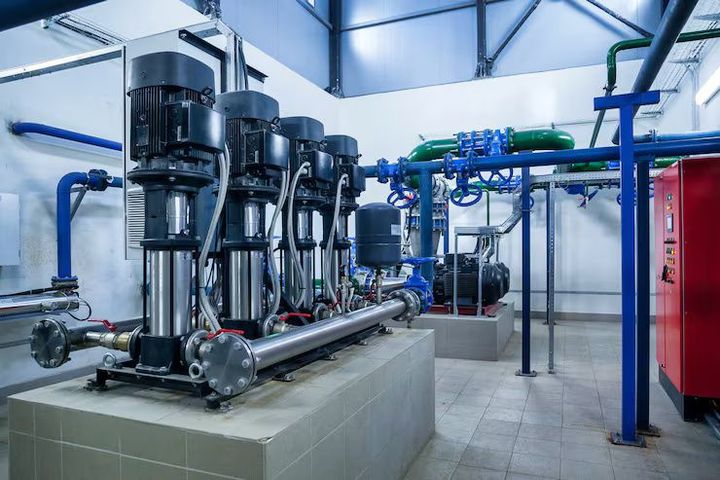
Pumps exist because industries depend on controlled fluid movement for production, cooling, cleaning, pressure management, and transportation. Without industrial pump systems, many industrial operations would struggle to maintain efficiency and safety.
Modern pump systems include several components such as:
-
Centrifugal pumps
-
Positive displacement pumps
-
Motors and drives
-
Valves and controllers
-
Monitoring sensors
-
Pipe networks
Industrial sectors use different pump designs depending on viscosity, pressure requirements, temperature, and chemical compatibility.
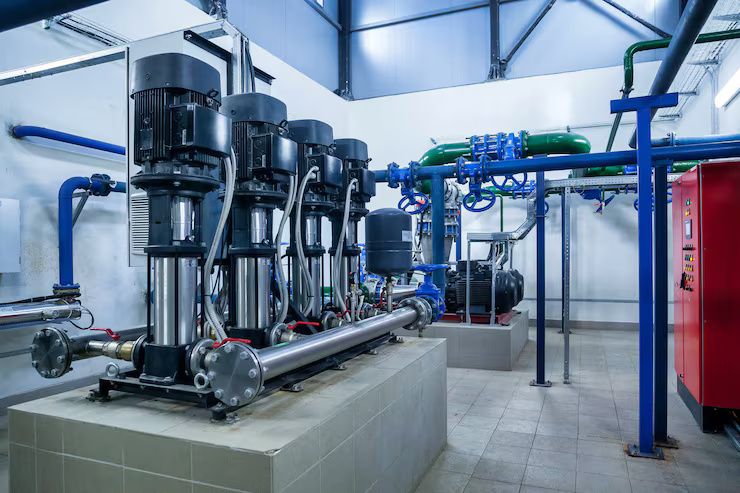
Why Industrial Pump Systems Matter Today
Industrial pump systems play a major role in supporting global infrastructure and industrial productivity. They help maintain stable operations across critical sectors including water supply, energy generation, pharmaceuticals, mining, and chemical processing.
As industries focus on automation and energy efficiency, pump systems have become more advanced and intelligent. Many facilities now use smart monitoring systems that improve reliability and reduce downtime.
Key reasons why industrial pump systems are important today include:
Energy Efficiency
Pumps consume a large percentage of industrial electricity worldwide. Energy-efficient systems help reduce power consumption and improve operational sustainability.
Water Management
Water treatment and wastewater facilities rely heavily on industrial pumps for filtration, distribution, and recycling operations.
Industrial Automation
Modern factories use automated pump systems connected to digital control platforms for real-time monitoring and predictive maintenance.
Safety and Environmental Protection
Proper pump operation helps manage hazardous fluids safely while reducing leak risks and environmental impact.
Infrastructure Development
Rapid urbanization and industrial growth continue to increase demand for fluid handling systems across multiple industries.
Common Types of Industrial Pump Systems
| Pump Type | Common Application | Main Feature |
|---|
| Centrifugal Pump | Water treatment and HVAC | High flow efficiency |
| Diaphragm Pump | Chemical processing | Leak-resistant design |
| Gear Pump | Oil and lubrication systems | Handles viscous fluids |
| Submersible Pump | Drainage and wastewater | Operates underwater |
| Peristaltic Pump | Pharmaceutical industry | Precise fluid transfer |
Recent Updates and Industry Trends
Industrial pump systems have experienced several important developments during 2025 and late 2024. Industries are increasingly adopting digital technologies and environmentally focused engineering practices.
Smart Monitoring Technologies
Many manufacturers introduced IoT-enabled pump systems in 2025. These systems use sensors to track vibration, temperature, and pressure in real time. Predictive maintenance tools help industries reduce unexpected failures.
Variable Frequency Drives (VFDs)
Variable frequency drives continue gaining popularity because they improve motor efficiency and optimize pump speed according to operational demand. This helps lower industrial energy consumption.
Sustainability Focus
Environmental regulations have encouraged industries to adopt low-emission and energy-efficient pumping technologies. Facilities are also investing in water recycling systems that depend on advanced pumps.
Growth in Renewable Energy Projects
Industrial pumps are increasingly used in solar thermal plants, hydrogen processing facilities, and geothermal energy projects.
Digital Twin Technology
Some large industrial companies began using digital twin systems in 2025 to simulate pump performance virtually. This improves maintenance planning and operational analysis.
Government Regulations and Industrial Policies
Industrial pump systems are affected by regulations related to energy efficiency, environmental protection, workplace safety, and industrial emissions.
Different countries apply various standards and compliance requirements for industrial pumping equipment.
Energy Efficiency Standards
Many governments encourage industries to adopt high-efficiency motors and pumping systems through industrial energy policies.
Examples include:
-
Minimum Energy Performance Standards (MEPS)
-
ISO 14414 pump system energy assessments
-
Energy efficiency labeling programs
Environmental Regulations
Environmental agencies regulate fluid discharge, wastewater handling, and hazardous chemical management. Pump systems must comply with safety and leak prevention requirements.
Occupational Safety Requirements
Industrial facilities must follow workplace safety standards related to pressure systems, hazardous fluids, and mechanical equipment operation.
Water Conservation Policies
Water-intensive industries increasingly face regulations encouraging water recycling and efficient pumping technologies.
Industrial Automation Guidelines
Some manufacturing sectors follow cybersecurity and automation standards for smart industrial equipment connected to digital networks.
Tools and Resources for Industrial Pump Systems
Several digital tools and resources help engineers, facility managers, and technicians monitor and optimize industrial pump systems.
Monitoring Platforms
Common monitoring tools include:
-
SCADA systems
-
Remote IoT dashboards
-
Predictive maintenance software
-
Vibration analysis platforms
Engineering Calculators
Pump-related calculators help determine:
-
Flow rate
-
Pump head
-
Pressure requirements
-
Energy consumption
-
Pipe sizing
Educational Resources
Helpful learning platforms include:
-
Hydraulic Institute
-
Engineering Toolbox
-
Industrial automation forums
-
Manufacturer technical documentation
Simulation Software
Industrial facilities often use simulation software to analyze pump performance and system design.
Popular software categories include:
-
CFD analysis tools
-
Fluid simulation platforms
-
Process engineering software
Maintenance Checklists
Digital maintenance templates help track inspections, lubrication schedules, and operational performance.
Emerging Technologies in Industrial Pump Systems
Technological innovation is changing how industrial pumps operate in modern facilities.
Artificial Intelligence Integration
AI-based analytics systems can identify operational anomalies before equipment failure occurs. This improves reliability and reduces maintenance interruptions.
Advanced Materials
Modern pumps increasingly use corrosion-resistant alloys, composite materials, and ceramic coatings to improve durability.
Wireless Sensor Networks
Wireless monitoring devices simplify equipment tracking across large industrial facilities.
Cloud-Based Analytics
Cloud platforms allow engineers to monitor pump performance remotely from different locations.
Low-Noise Designs
Manufacturers are focusing on quieter pump systems for urban infrastructure and indoor industrial environments.
Challenges Facing Industrial Pump Systems
Despite technological progress, industrial pump systems still face several operational challenges.
High Energy Consumption
Large pump systems can significantly increase industrial electricity usage.
Maintenance Complexity
Industrial pumps require regular inspections and preventive maintenance to avoid operational failures.
Corrosion and Wear
Harsh industrial environments may damage components over time.
Supply Chain Disruptions
Global manufacturing and shipping challenges can affect pump component availability.
Skilled Workforce Shortages
Some industries face difficulty finding experienced technicians and fluid system specialists.
FAQs About Industrial Pump Systems
What is the primary purpose of an industrial pump system?
Industrial pump systems move liquids, chemicals, or gases through industrial processes safely and efficiently.
Which industries commonly use industrial pumps?
Industries including manufacturing, oil and gas, water treatment, mining, agriculture, pharmaceuticals, and food processing use industrial pumps regularly.
What is the difference between centrifugal and positive displacement pumps?
Centrifugal pumps use rotational energy to move fluids, while positive displacement pumps move fixed amounts of fluid mechanically.
Why is predictive maintenance important for pump systems?
Predictive maintenance helps detect equipment problems early, reducing downtime and improving operational reliability.
How do smart pump systems improve efficiency?
Smart systems use sensors and automation to optimize flow rates, monitor conditions, and reduce unnecessary energy usage.
Conclusion
Industrial pump systems remain essential for modern infrastructure, industrial production, environmental management, and energy operations. As industries continue adopting automation and sustainability strategies, pump technologies are evolving rapidly.
Recent developments such as IoT monitoring, AI-driven analytics, energy-efficient motors, and digital simulation tools are transforming industrial fluid management. Regulations related to environmental protection and energy conservation are also influencing system design and operational standards.
Understanding industrial pump systems helps industries improve efficiency, reduce operational risks, and support long-term infrastructure development. With ongoing technological innovation, industrial pump systems will continue playing a central role in global industrial operations and resource management.