EV Motor Manufacturing Insights: Learn Modern Electric Drive Technology Trends
EV motor manufacturing refers to the design, engineering, and production of electric motors used in electric vehicles (EVs). These motors convert electrical energy from a battery into mechanical motion that powers the vehicle. Unlike traditional internal combustion engines, EV motors rely on electromagnetic systems that improve energy efficiency and reduce emissions.
The rapid rise of electric mobility has increased global interest in EV motor technology. Governments, automotive manufacturers, and energy companies are investing heavily in electric transportation infrastructure and research. As a result, EV motor production has become an essential part of the automotive manufacturing industry.
Modern EV motors are designed to provide high torque, smooth acceleration, and improved energy efficiency. Manufacturers focus on lightweight materials, advanced cooling systems, and precision engineering to improve motor performance while reducing environmental impact.
Why EV Motor Manufacturing Matters
The shift toward electric transportation is changing the automotive industry worldwide. EV motor manufacturing plays an important role in supporting cleaner transportation systems and reducing dependence on fossil fuels.
Key Reasons for Industry Growth
- Rising demand for electric vehicles in global markets
- Government incentives supporting sustainable transportation
- Increased investment in battery and charging technology
- Growing awareness of carbon emission reduction
- Advancements in automotive software and smart mobility
Electric motors also help solve several transportation challenges. Compared to conventional engines, they require fewer moving parts, generate lower noise levels, and improve energy efficiency. This makes EV technology attractive for passenger vehicles, buses, delivery fleets, and industrial transportation.
The industry also affects sectors such as renewable energy, semiconductor manufacturing, mining, and industrial automation. Materials like copper, rare earth magnets, and lithium are increasingly important in motor production and energy storage systems.
Main Types of EV Motors
Different electric vehicles use different motor technologies depending on efficiency goals, vehicle size, and driving requirements.
| EV Motor Type | Main Features | Common Applications |
|---|---|---|
| Permanent Magnet Synchronous Motor (PMSM) | High efficiency and compact design | Passenger EVs |
| Induction Motor | Durable and lower magnet dependence | Performance EVs |
| Brushless DC Motor (BLDC) | Smooth operation and reduced maintenance | Two-wheelers and compact EVs |
| Switched Reluctance Motor | Simple structure and heat resistance | Industrial EV applications |
Manufacturers choose motor types based on energy efficiency, torque output, battery compatibility, and thermal performance.
Manufacturing Process of EV Motors
Raw Material Selection
EV motors require materials such as copper windings, silicon steel laminations, aluminum casings, and magnetic components. Material quality directly affects performance and durability.
Motor Design and Engineering
Engineers use simulation software and digital modeling tools to optimize motor efficiency, rotational speed, and cooling systems. Precision engineering is important for maintaining reliability under varying driving conditions.
Stator and Rotor Assembly
The stator creates the electromagnetic field, while the rotor rotates to generate movement. Automated production lines improve assembly accuracy and production consistency.
Cooling and Thermal Management
Modern EV motors generate heat during operation. Manufacturers integrate liquid cooling systems and advanced thermal materials to maintain efficiency and extend component lifespan.
Testing and Quality Control
Manufacturers conduct performance testing, vibration analysis, and durability checks before motors are integrated into electric vehicles.
Recent Industry Updates and Trends
The EV motor manufacturing industry has experienced significant developments during 2025 and early 2026. Several automotive companies announced investments in advanced motor production facilities and next-generation powertrain systems.
Important Recent Developments
- In 2025, many automotive manufacturers increased investment in rare-earth-free motor technology to reduce dependence on critical minerals.
- Several countries expanded EV infrastructure programs during 2025, supporting domestic battery and motor production.
- AI-driven manufacturing systems are becoming more common in EV assembly plants for predictive maintenance and quality control.
- Silicon carbide semiconductor technology has improved motor efficiency and energy management in modern EV platforms.
- Lightweight axial flux motors gained attention in performance EV research due to their compact structure and higher power density.
Manufacturers are also exploring recycling technologies to recover valuable metals from used EV motors and batteries. This supports long-term sustainability goals and resource efficiency.
Government Policies and Regulations
EV motor manufacturing is strongly influenced by environmental policies, industrial regulations, and transportation standards.
Emission Regulations
Many countries have introduced stricter vehicle emission standards that encourage electric vehicle adoption. These policies indirectly support EV motor production growth.
Manufacturing Incentive Programs
Governments in regions such as Europe, Asia, and North America continue supporting electric mobility development through industrial investment programs and research funding.
Battery and Recycling Policies
Environmental regulations increasingly focus on battery recycling, rare earth material sourcing, and responsible manufacturing practices.
Safety and Certification Standards
Manufacturers must follow safety standards for electrical systems, thermal management, and vehicle integration. Compliance testing is required before EV motors can be used in commercial vehicles.
Renewable Energy Integration
Some countries are encouraging renewable energy use in automotive production facilities to reduce industrial carbon emissions.
Technology Driving EV Motor Innovation
Advanced engineering technologies are improving motor efficiency, manufacturing speed, and vehicle performance.
Artificial Intelligence in Manufacturing
AI systems help monitor production lines, detect defects, and optimize equipment performance. Predictive analytics also reduce maintenance downtime.
Digital Twin Technology
Digital twin systems allow engineers to simulate motor behavior before physical production begins. This improves product development efficiency.
Advanced Semiconductor Systems
Modern power electronics improve energy conversion and battery efficiency in electric vehicles.
Smart Automation
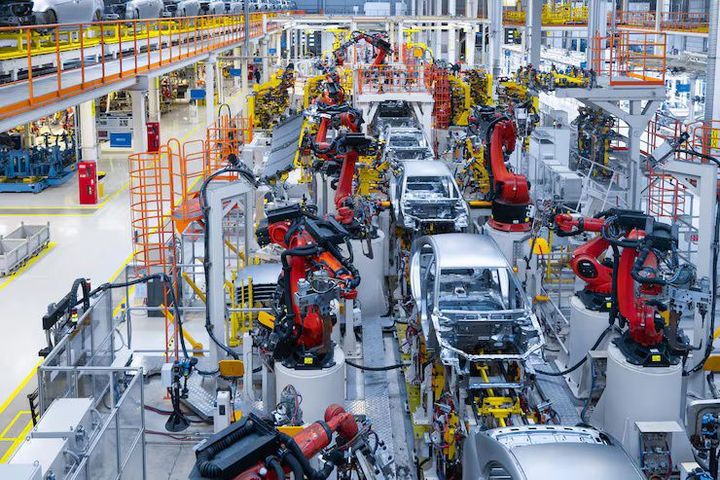
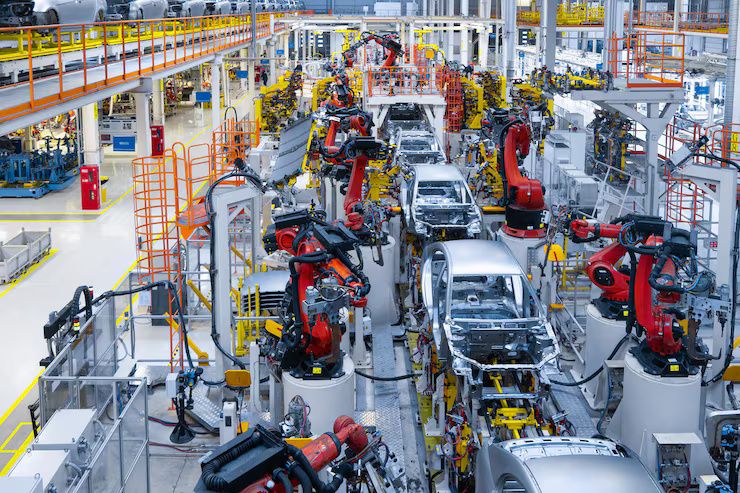
Robotics and automated assembly systems improve precision manufacturing and reduce production errors.
Sustainable Material Research
Researchers are developing alternatives to rare earth magnets and improving recyclable motor components.
Helpful Tools and Resources
Several tools and platforms support engineers, researchers, and manufacturers involved in EV motor production.
Engineering and Simulation Tools
- MATLAB Simulink for motor simulation
- ANSYS Motor-CAD for thermal analysis
- SolidWorks for mechanical design
- AutoCAD Electrical for system planning
Industry Information Resources
- International Energy Agency (IEA)
- Society of Automotive Engineers (SAE)
- Electric Vehicle Association publications
- Automotive manufacturing research portals
Manufacturing Technologies
- CNC machining systems
- Automated winding equipment
- Thermal imaging systems
- Industrial IoT monitoring platforms
Educational Resources
- EV engineering certification programs
- Online automotive technology courses
- Renewable energy training platforms
- Research journals on electric mobility
Challenges in EV Motor Manufacturing
Despite rapid growth, the industry faces several operational and technical challenges.
Supply Chain Constraints
Critical materials such as lithium, cobalt, and rare earth magnets remain vulnerable to supply disruptions and geopolitical factors.
High Production Complexity
Precision engineering and advanced electronics increase manufacturing complexity and quality control requirements.
Thermal Management Issues
Efficient heat dissipation remains a key engineering challenge for high-performance EV motors.
Infrastructure Readiness
Some regions still face limited charging infrastructure and grid modernization challenges.
Workforce Development
The industry requires skilled professionals in electrical engineering, robotics, software systems, and battery technology.
Future Outlook for EV Motor Technology
The future of EV motor manufacturing is closely linked to sustainability, automation, and energy innovation.
Manufacturers are expected to focus on compact motor designs, recyclable materials, and integrated powertrain systems. Wireless charging compatibility and ultra-efficient motor architectures may become more common in future electric vehicles.
Research into solid-state batteries and advanced semiconductor materials could further improve vehicle range and charging efficiency. Smart connected vehicles may also increase demand for software-integrated motor systems.
Emerging economies are increasingly investing in domestic EV manufacturing ecosystems, creating broader global competition and innovation.
Frequently Asked Questions
What is the main purpose of an EV motor?
An EV motor converts electrical energy from the vehicle battery into mechanical energy that powers the wheels.
Which motor type is commonly used in electric vehicles?
Permanent Magnet Synchronous Motors (PMSM) are widely used because of their efficiency and compact design.
Why are rare earth materials important in EV motors?
Rare earth magnets help improve motor efficiency and power density, although manufacturers are exploring alternative technologies.
How does EV motor manufacturing support sustainability?
Electric motors reduce vehicle emissions, improve energy efficiency, and support cleaner transportation systems.
What technologies are improving EV motor production?
Artificial intelligence, digital twin simulation, robotics, and advanced semiconductor systems are improving manufacturing performance.
Conclusion
EV motor manufacturing has become a major part of the global transition toward sustainable transportation. Advances in engineering, automation, and battery technology continue transforming how electric vehicles are designed and produced.
The industry affects automotive innovation, environmental policy, industrial manufacturing, and renewable energy development. As governments and manufacturers continue investing in electric mobility, EV motor technology is expected to evolve rapidly over the coming years.
Understanding the basics of EV motor manufacturing helps explain how modern transportation systems are changing and why electric mobility remains an important focus for the future of global transportation.