Industrial Refrigerator Guide: Basics, Types, and Efficiency Insights Explained Clearly
Industrial refrigerators are large-scale cooling systems designed to store perishable goods in controlled temperature environments. These systems are commonly used in industries such as food processing, pharmaceuticals, logistics, and hospitality. Unlike household refrigerators, industrial models are built for high capacity, durability, and continuous operation.
They exist to ensure that products like fresh produce, dairy, meat, vaccines, and chemicals remain safe and stable throughout storage and transportation. The increasing demand for global supply chains and cold storage infrastructure has made industrial refrigeration a critical part of modern industry.
These systems operate using advanced cooling technologies, including compressors, evaporators, and refrigerants, to maintain consistent temperatures. Their design varies depending on the application, from walk-in freezers to blast chillers and cold storage warehouses.

Importance
Industrial refrigeration plays a vital role in maintaining product quality, safety, and compliance with health standards. It directly impacts industries that rely on temperature-sensitive goods.
Why it matters today
- Growing global food demand requires efficient storage systems
- Pharmaceutical industries depend on precise temperature control
- Supply chain expansion increases reliance on cold storage logistics
- Environmental concerns drive the need for energy-efficient refrigeration
Who it affects
- Food manufacturers and distributors
- Healthcare and pharmaceutical providers
- Warehousing and logistics companies
- Retail chains and supermarkets
Problems it solves
- Prevents spoilage and product loss
- Maintains safety standards for consumables
- Supports long-distance transportation
- Ensures compliance with health regulations
Industrial refrigeration also contributes to reducing waste, which is a major global challenge. Efficient systems help preserve resources and improve operational sustainability.
Recent Updates
The industrial refrigeration sector has seen several developments in the past year (2025–2026), driven by technological innovation and environmental awareness.
Key trends
- Adoption of eco-friendly refrigerants such as CO₂ and ammonia
- Integration of IoT (Internet of Things) for real-time monitoring
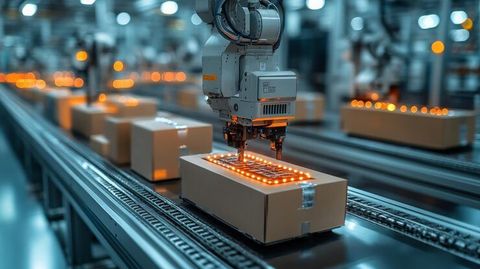
- Increased use of automation in cold storage facilities
- Focus on energy-efficient compressor systems
Notable developments
- In early 2025, many industries shifted toward low Global Warming Potential (GWP) refrigerants due to environmental regulations
- Smart refrigeration systems now allow remote temperature control and predictive maintenance
- AI-based analytics are being used to optimize cooling performance
Laws or Policies
Industrial refrigeration is governed by various regulations to ensure safety, environmental protection, and operational standards. These rules vary by country but share common goals.
Key regulatory areas
- Refrigerant usage and emissions control
- Energy efficiency standards
- Workplace safety requirements
- Food and pharmaceutical storage guidelines
Examples of policies
- Environmental regulations restrict high-GWP refrigerants
- Energy efficiency standards encourage reduced power consumption
- Food safety laws require strict temperature control for storage
- Occupational safety guidelines ensure safe handling of refrigeration systems
In India
- Bureau of Energy Efficiency (BEE) promotes energy-efficient systems
- Food Safety and Standards Authority of India (FSSAI) regulates storage conditions
- Environmental guidelines encourage sustainable refrigerants
These policies ensure that industrial refrigeration systems operate responsibly while minimizing environmental impact.
Tools and Resources
Several tools and resources help industries manage and optimize industrial refrigeration systems effectively.
Monitoring and control tools
- Digital temperature monitoring systems
- IoT-enabled sensors for real-time data
- Remote control dashboards
Energy management tools
- Energy consumption calculators
- Performance analytics software
- Load optimization systems
Maintenance and planning tools
- Predictive maintenance software
- Equipment lifecycle tracking systems
- Compliance checklists
Helpful platforms and resources
- Industry research reports and whitepapers
- Government energy efficiency portals
- Technical manuals and training guides
These tools support better decision-making, improve efficiency, and ensure compliance with regulations.
Types of Industrial Refrigerators
Understanding the different types helps in selecting the right system for specific applications.
Common types
| Type | Description | Application Area |
|---|---|---|
| Walk-in Refrigerators | Large rooms for bulk storage | Food storage, warehouses |
| Blast Chillers | Rapid cooling systems | Food processing |
| Cold Storage Warehouses | Large-scale storage facilities | Logistics and distribution |
| Refrigerated Containers | Mobile cooling units | Transportation |
| Process Cooling Systems | Specialized cooling for industrial processes | Manufacturing industries |
Each type is designed for specific operational needs and temperature requirements.
FAQs
What is an industrial refrigerator used for?
Industrial refrigerators are used to store and preserve temperature-sensitive goods such as food, medicines, and chemicals in large quantities.
How is it different from a domestic refrigerator?
Industrial refrigerators are larger, more powerful, and designed for continuous operation, while domestic refrigerators are smaller and used for household purposes.
What are eco-friendly refrigerants?
Eco-friendly refrigerants are substances with low environmental impact, such as CO₂ and ammonia, which reduce greenhouse gas emissions.
Why is temperature monitoring important?
Temperature monitoring ensures that stored products remain safe and comply with industry standards, preventing spoilage and health risks.
What factors affect efficiency?
Efficiency depends on insulation quality, compressor performance, refrigerant type, and maintenance practices.
Conclusion
Industrial refrigeration is a fundamental component of modern industries, supporting food safety, healthcare, and global supply chains. Its importance continues to grow as industries expand and environmental concerns increase.
Recent advancements in technology, including smart monitoring and eco-friendly refrigerants, are shaping the future of this sector. At the same time, regulations ensure safe and sustainable operation.
By understanding the basics, types, and tools associated with industrial refrigeration, organizations and individuals can better appreciate its role in everyday life. This knowledge helps in making informed decisions, improving efficiency, and supporting sustainable practices across industries.