Automatic Print Inspection Systems Guide for Quality Control Accuracy Insights
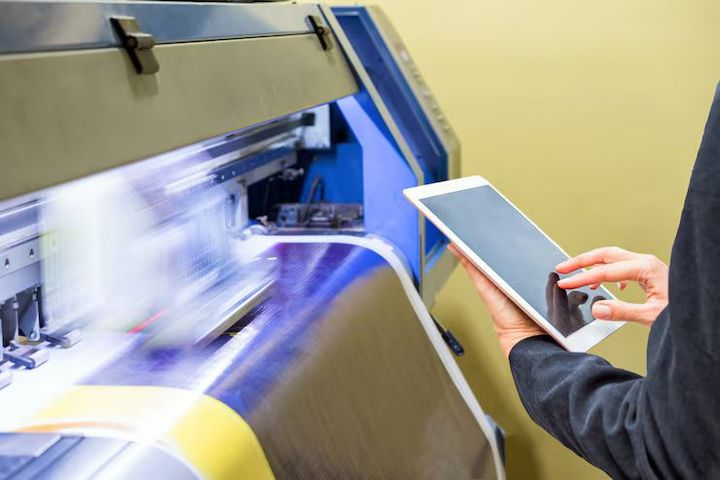
Automatic print inspection systems are advanced technologies used in printing industries to monitor and evaluate print quality in real time. These systems rely on high-resolution cameras, sensors, and intelligent software to detect defects such as misalignment, color variation, smudges, or missing elements during production.
Traditionally, print quality was checked manually, often resulting in inconsistencies and human error. With high-speed printing in industries like packaging, publishing, and labeling, automated inspection systems have become essential. They ensure that every printed product meets predefined quality standards without slowing down production.
Automatic inspection systems are commonly used in:
- Packaging and labeling industries
- Newspaper and magazine printing
- Pharmaceutical packaging
- Flexible and rigid packaging production
- Textile and digital printing
These systems work by comparing printed output against reference images or predefined parameters, ensuring consistency across large production volumes.
Importance – Why This Technology Matters Today
Automatic print inspection systems play a crucial role in modern manufacturing and printing processes. As industries move toward automation and precision, maintaining consistent print quality is more important than ever.
Key reasons these systems matter include:
- Improved Quality Control: Detects minor defects invisible to the human eye
- Reduced Waste: Early detection prevents large batches of defective prints
- Increased Efficiency: Continuous monitoring allows faster production
- Compliance and Safety: Ensures accurate labeling in pharmaceuticals and food products
- Cost Optimization: Minimizes errors and rework, improving resource management
These systems impact manufacturers, quality control teams, packaging designers, and end consumers who rely on accurate product information.
Recent Updates – Trends and Developments (2024–2025)
Technological Advancements
Recent trends in automatic print inspection systems reflect digital transformation and Industry 4.0:
- AI and Machine Learning Integration (2024): Improves defect detection and predicts potential issues
- Cloud-Based Monitoring (2025): Enables remote data analysis from multiple locations
- High-Speed Vision Systems: Inspects prints at very high speeds without losing resolution
- Sustainability Focus: Reduces waste and supports eco-friendly production
- Integration with Smart Manufacturing: Connects with ERP and MES systems for better workflow management
These developments highlight the shift toward automation, data-driven decision-making, and sustainable industrial processes.
Laws or Policies – Regulatory and Compliance Aspects
Automatic print inspection systems are influenced by regulations, especially where accuracy and safety are critical.
Key considerations in India and globally include:
- Food Safety and Standards Authority of India (FSSAI): Ensures accurate labeling of food products
- Pharmaceutical Regulations: Require precise medicine labeling to avoid health risks
- Bureau of Indian Standards (BIS): Sets quality standards for packaging and labeling
- Global Standards (ISO 9001, ISO 12647): Focus on quality management and print process control
These regulations make automated inspection systems essential for compliance and consistent quality.
Tools and Resources – Useful Technologies and Platforms
A range of tools and technologies supports automatic print inspection systems, improving accuracy and usability.
Common Tools and Technologies
- Vision inspection software
- High-resolution industrial cameras
- Color measurement systems
- Defect detection algorithms
- Data analytics dashboards
Popular Software and Platforms
- Print quality analysis tools
- Machine vision libraries
- Industrial automation platforms
Templates and Resources
- Quality control checklists
- Inspection reporting formats
- Calibration guides for imaging systems
Key Features to Look For
| Feature | Description |
|---|---|
| Real-time monitoring | Detects defects instantly during production |
| High-speed processing | Works efficiently with fast printing systems |
| AI-based detection | Improves accuracy using intelligent algorithms |
| Integration capability | Connects with other manufacturing systems |
| User-friendly interface | Simplifies operation and analysis |
Basic Workflow of an Inspection System
| Step | Function |
|---|---|
| Image capture | Cameras capture printed output |
| Image comparison | Compares output with reference image |
| Defect detection | Identifies errors or inconsistencies |
| Alert generation | Notifies operators of issues |
| Data logging | Stores inspection results for analysis |
FAQs – Common Questions About Automatic Print Inspection Systems
What is an automatic print inspection system?
It is a technology that uses cameras and software to monitor and evaluate print quality automatically during production.
How does it improve quality control?
It detects defects in real time, allowing immediate correction and ensuring consistent output quality.
Which industries use these systems?
They are used in packaging, publishing, pharmaceuticals, textiles, and labeling industries.
Are these systems suitable for small-scale operations?
Yes, modern systems are scalable and can be adapted for both small and large production environments.
What types of defects can be detected?
Common defects include color variations, misalignment, missing text, smudges, and printing errors.
Conclusion
Automatic print inspection systems have become essential in modern printing and manufacturing. They provide reliable, accurate, and efficient quality control, ensuring that printed materials meet industry standards and consumer expectations.
With advancements in AI, cloud computing, and high-speed imaging, these systems are evolving rapidly. They improve operational efficiency, reduce waste, and optimize resources.
As industries continue embracing automation and digital transformation, automatic print inspection systems will play a critical role in maintaining quality, compliance, and efficiency across various sectors.