Industrial Elevators: Complete Guide to Types, Safety, and Applications in Facilities
Industrial elevators are specialized vertical transportation systems designed to move heavy materials, equipment, and sometimes personnel within industrial environments. Unlike residential or commercial passenger elevators, these systems are engineered to handle significantly higher loads and operate in demanding environments such as factories, warehouses, manufacturing plants, and distribution centers.
The concept of vertical lifting in industry emerged during the early phases of mechanized manufacturing. As facilities expanded vertically, reliable systems were needed to transport goods efficiently between floors. Industrial elevators became essential for material handling, especially where forklifts cannot operate.
Today, industrial elevators are widely used across multiple sectors. They often integrate with automated systems, conveyors, and digital controls to streamline operations.
Common Industries Using Industrial Elevators
- Manufacturing facilities
- Warehouses and logistics centers
- Automotive assembly plants
- Food processing factories
- Pharmaceutical manufacturing plants
Importance of Industrial Elevators
Industrial elevators play a key role in modern operations as supply chains become more complex and facilities grow taller. They enable efficient vertical movement of goods, improving productivity and workflow.
One of their main advantages is reducing the need for manual handling or multiple lifting systems. This leads to faster and more organized material flow.
Key Benefits
- Improved workflow efficiency
- Safer transportation of heavy goods
- Reduced manual labor requirements
- Better utilization of vertical space
Industries handling bulk materials or heavy equipment benefit the most. Logistics hubs and e-commerce warehouses rely heavily on these systems for multi-level storage and movement.
Workplace Safety Advantages
Industrial elevators improve safety by providing controlled lifting mechanisms. Features such as load sensors, emergency brakes, and safety gates reduce the risk of accidents.
Modern systems also integrate with digital platforms for monitoring performance and detecting faults. This aligns with the growth of automation and smart factory systems.
Types of Industrial Elevators
Industrial elevators are designed based on load capacity, lifting mechanism, and application. Each type serves a specific purpose in industrial environments.
Common Types and Applications
| Elevator Type | Main Function | Typical Industries |
|---|---|---|
| Freight Elevator | Transport heavy goods between floors | Warehousing, logistics |
| Hydraulic Elevator | Uses hydraulic pistons for lifting | Manufacturing plants |
| Traction Elevator | Uses cables and counterweights | Multi-floor factories |
| Vertical Reciprocating Conveyor | Automated vertical material movement | Distribution centers |
| Rack and Pinion Elevator | Gear-based lifting system | Construction, heavy industry |
Freight elevators are widely used due to their ability to handle large loads. Vertical reciprocating conveyors are increasingly common in automated warehouses.
Recent Updates and Industry Trends
Industrial elevator technology has advanced significantly due to automation and digitalization. Between 2024 and early 2025, several important trends have emerged.
Smart Monitoring Systems
Modern elevators use connected sensors to monitor vibration, load, and motor performance. These systems help detect issues early and reduce downtime.
Integration with Warehouse Automation
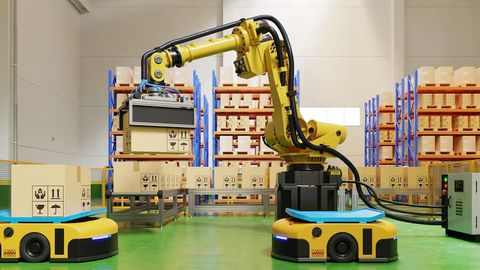
Elevators are now integrated with automated storage and retrieval systems. They work alongside conveyors and robotic systems through centralized control platforms.
Energy-Efficient Technologies
New motor designs and regenerative braking systems reduce energy consumption. This helps industries lower operational costs and meet sustainability goals.
Improved Safety Monitoring
Advanced safety features such as overload protection and digital fault reporting are becoming standard. These improvements enhance compliance with safety regulations.
Safety Features in Industrial Elevators
Safety is a critical aspect of industrial elevator design due to heavy loads and busy environments. Multiple safety mechanisms are built into modern systems.
Common Safety Mechanisms
- Emergency braking systems
- Load sensors to prevent overloading
- Door interlock systems
- Safety barriers and gates
- Backup power systems
- Alarm and alert indicators
Safety Technology Overview
| Safety Feature | Purpose |
|---|---|
| Overload Sensor | Prevents operation beyond safe load limits |
| Emergency Brake | Stops the elevator during malfunction |
| Safety Gate | Protects workers near loading zones |
| Alarm System | Alerts operators during faults |
| Control Lock | Prevents unauthorized operation |
Regular maintenance and inspections are essential to ensure these features function correctly.
Laws and Policies
Industrial elevators must comply with safety standards and engineering regulations. These rules ensure safe operation and protect workers.
Key Regulatory Requirements
- Load capacity certification
- Periodic safety inspections
- Electrical safety compliance
- Emergency operation systems
- Operator safety guidelines
In India, regulations are influenced by:
- Factories Act safety guidelines
- Occupational safety standards
- Engineering codes for lifting systems
Compliance helps reduce risks and ensures reliable performance. Facilities are often required to maintain inspection records and follow preventive maintenance schedules.
Tools and Resources for Industrial Elevators
Various tools help engineers design, monitor, and maintain industrial elevator systems. These tools improve efficiency and reliability.
Engineering Design Tools
- CAD software for system planning
- Mechanical simulation tools
- Structural calculation tools
Monitoring and Diagnostic Platforms
- Predictive maintenance systems
- Load monitoring dashboards
- Performance analytics tools
Safety and Compliance Resources
- Workplace safety guidelines
- Equipment inspection checklists
- Maintenance log templates
These resources support better planning, safer operations, and long-term system reliability.
Frequently Asked Questions
What is an industrial elevator?
An industrial elevator is a heavy-duty system used to transport goods, materials, or equipment vertically within industrial facilities.
How is it different from a passenger elevator?
Passenger elevators are designed for people and have lower load capacities. Industrial elevators are built for heavy materials and have stronger structural components.
What industries use industrial elevators?
They are commonly used in:
- Warehousing and logistics
- Manufacturing
- Construction
- Distribution centers
How often should industrial elevators be inspected?
Inspection frequency depends on regulations and usage. Most facilities conduct regular safety checks and preventive maintenance.
What determines elevator load capacity?
Load capacity depends on:
- Structural design
- Lifting mechanism
- Motor power
- Safety requirements
Conclusion
Industrial elevators are essential for efficient vertical transportation in modern industrial environments. They improve productivity, enhance safety, and support automated workflows.
With advancements in smart monitoring, energy efficiency, and automation, these systems continue to evolve. Their integration with modern technologies highlights their importance in Industry 4.0.
Understanding their types, safety features, regulations, and tools helps organizations maintain reliable and efficient operations. As industries grow and adapt, industrial elevators will remain a key component of advanced infrastructure.