Battery manufacturing systems are industrial production frameworks used to produce rechargeable and non-rechargeable batteries. These systems combine specialized machinery, automated assembly lines, material processing equipment, and quality inspection tools to convert raw materials into functional energy storage devices.
The need for battery manufacturing systems arose from the growing demand for portable power sources. Early batteries were produced using relatively simple assembly processes, but modern energy storage technologies require precise manufacturing conditions and highly controlled environments. Lithium-based cells, nickel-based batteries, and other electrochemical systems require accurate layering of materials, uniform coating of electrodes, and precise assembly of internal components.
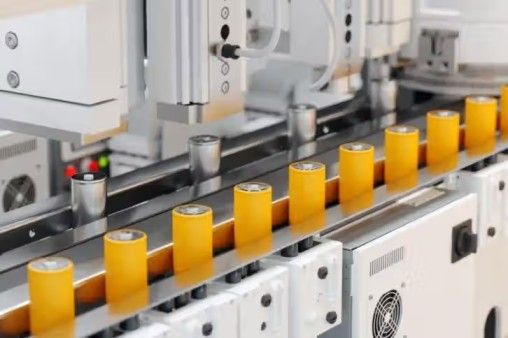
Modern battery production facilities rely on integrated manufacturing lines where each stage—material preparation, electrode formation, cell assembly, electrolyte filling, and final testing—is coordinated through automated processes. These systems exist to ensure consistency, safety, and performance in the batteries that power electronics, electric vehicles, renewable energy storage systems, and industrial equipment.
Importance: Why Battery Manufacturing Matters Today
Battery manufacturing systems are increasingly important due to the global transition toward electrification and renewable energy technologies. Batteries play a critical role in storing energy and enabling portable or mobile power solutions.
Key reasons this topic matters today include:
-
Energy transition support: Batteries are central to renewable energy storage and electric mobility.
-
Technological advancement: Portable electronics, electric vehicles, and smart devices depend on reliable battery systems.
-
Industrial growth: Battery manufacturing has become a major sector in advanced manufacturing industries.
-
Energy efficiency: High-quality batteries improve energy storage and reduce power losses.
-
Infrastructure development: Energy storage systems help stabilize electrical grids and support distributed energy systems.
Battery manufacturing affects engineers, industrial planners, researchers, environmental regulators, supply chain specialists, and technology developers. It addresses challenges related to energy storage reliability, portable power demands, and the integration of renewable energy sources.
Recent Updates: Industry Developments and Trends (2024–2025)
Battery manufacturing has evolved rapidly in the past year as industries expand energy storage capacity and improve production efficiency.
| Year | Development or Trend | Industry Impact |
|---|---|---|
| 2024 | Expansion of gigafactory-scale production facilities | Increased global battery output capacity |
| 2024 | Improved electrode coating technologies | Higher energy density and better material efficiency |
| 2025 | Advanced automation in battery assembly lines | Greater consistency and reduced process variability |
| 2025 | Growth of solid-state battery research | Potential improvements in safety and storage capacity |
Recent industry announcements in early 2025 highlighted large-scale investments in battery manufacturing infrastructure in several regions, including North America, Europe, and Asia. Research programs also continue exploring alternative materials designed to enhance durability and performance.
Laws, Policies, and Government Programs
Battery manufacturing systems operate within strict regulatory frameworks because batteries involve chemical materials, industrial energy processes, and environmental considerations.
Key policy areas influencing battery manufacturing include:
-
Environmental protection regulations: Address emissions, waste handling, and recycling requirements.
-
Industrial safety standards: Govern handling of chemical materials and workplace safety practices.
-
Battery recycling directives: Encourage recovery of valuable materials and reduction of waste.
-
Energy transition programs: Many governments support domestic battery production as part of renewable energy strategies.
In countries such as the United States, members of the European Union, and India, national initiatives support energy storage manufacturing through research programs, industrial development policies, and sustainability targets.
Equipment and Production Methods in Battery Manufacturing
Battery production relies on a sequence of specialized machines designed for precision and repeatability.
Major categories of battery manufacturing equipment include:
-
Material mixing equipment: Prepares electrode materials by combining active compounds with conductive additives and binders.
-
Electrode coating machines: Apply uniform layers of electrode material onto metal foils.
-
Calendering machines: Compress coated electrodes to achieve required thickness and density.
-
Slitting machines: Cut electrode sheets into precise widths for cell assembly.
-
Cell assembly machines: Assemble electrodes, separators, and casings into battery cells.
-
Electrolyte filling systems: Introduce electrolyte solutions under controlled conditions.
-
Formation and testing systems: Perform initial charging cycles and quality verification.
| Production Stage | Purpose | Typical Equipment |
|---|---|---|
| Material preparation | Mix electrode materials | Industrial mixers |
| Electrode fabrication | Coat and compress electrodes | Coating & calendering machines |
| Cell assembly | Assemble battery components | Automated assembly equipment |
| Electrolyte filling | Introduce electrolyte solution | Vacuum filling systems |
| Formation & testing | Verify performance and safety | Battery testing equipment |
These production stages ensure that batteries achieve consistent energy capacity, structural stability, and safety performance.
Tools and Resources for Understanding Battery Manufacturing
Learning about battery manufacturing systems is supported by a range of technical resources and educational materials.
Helpful knowledge resources include:
-
Engineering textbooks on electrochemical energy storage
-
Research publications on battery materials and manufacturing processes
-
Technical guidelines from energy agencies and engineering institutions
-
Industrial training manuals related to manufacturing automation
Reference tools commonly used in the field:
-
Battery capacity calculation charts
-
Energy density comparison tables
-
Manufacturing process flow diagrams
-
Quality inspection checklists
These tools help engineers and researchers understand production methods, evaluate battery performance, and improve manufacturing efficiency.
Frequently Asked Questions
What is the primary purpose of battery manufacturing systems?
Their purpose is to produce reliable energy storage devices through controlled industrial processes.
Which industries depend heavily on battery production?
Electric mobility, consumer electronics, renewable energy storage, and telecommunications infrastructure.
Why is precision important in battery manufacturing?
Small inconsistencies in electrode coating or assembly can affect battery performance, safety, and lifespan.
What materials are commonly used in modern batteries?
Lithium compounds, graphite, nickel, manganese, and cobalt are frequently used in rechargeable battery chemistries.
How are batteries tested during manufacturing?
Cells undergo formation cycles, electrical performance checks, and safety inspections before distribution.
Conclusion
Battery manufacturing systems represent a critical segment of modern industrial technology. By combining advanced equipment, precise production processes, and strict quality control, these systems enable the large-scale production of energy storage solutions used across many sectors.
As global energy systems evolve toward electrification and renewable integration, battery manufacturing will continue to expand and innovate. Understanding how these systems operate—from raw material preparation to final testing—provides valuable insight into the infrastructure supporting modern energy technology.