Blending Traditional and Contemporary Styles in Modern Households Interiors
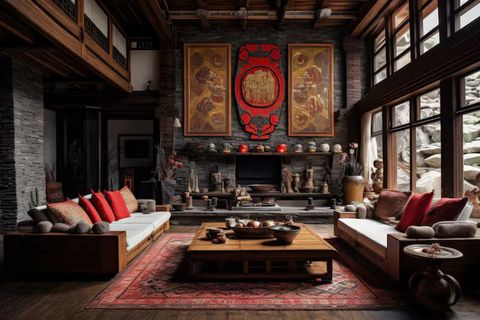
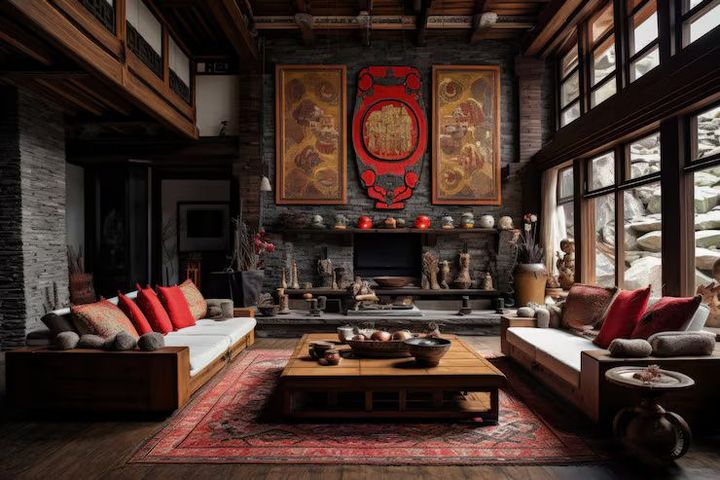
Blending traditional and contemporary styles in modern households interiors creates spaces that feel both familiar and fresh. When done thoughtfully, this mix can highlight the best of each era while keeping rooms comfortable, cohesive, and visually engaging.
Traditional design celebrates history, detailed craftsmanship, natural materials, and decorative architectural elements. Contemporary design focuses on clean lines, open spaces, simplicity, practical layouts, and modern functionality. When these styles are thoughtfully combined, they create interiors that respect heritage while supporting today's way of living.
This approach is commonly known as transitional interior design because it bridges the gap between classic and modern aesthetics. Rather than allowing one style to dominate, successful blended interiors achieve harmony through careful planning, balanced proportions, consistent color palettes, and thoughtful material selection.
Context: Understanding Blended Interior Design
Blending traditional and contemporary styles exists because homes and lifestyles have evolved. Many families want to preserve meaningful furniture, antiques, heirlooms, or architectural details while also enjoying modern layouts, improved comfort, and practical living spaces.
Older homes often feature decorative moldings, wooden flooring, fireplaces, or handcrafted cabinetry that homeowners wish to retain. At the same time, contemporary lifestyles encourage open floor plans, smart storage, energy-efficient lighting, and multifunctional furniture.
A blended interior allows both worlds to coexist naturally.
Some households prefer traditional architecture with contemporary furnishings, while others choose modern architecture enhanced by classic furniture and decorative accessories. Either approach can create an inviting atmosphere when the overall design follows a clear visual direction.
Starting with a neutral foundation is one of the most effective ways to unite both styles. Soft white, warm beige, gentle gray, or greige walls provide a timeless backdrop that allows traditional wood furniture, modern artwork, and contemporary lighting to work together without visual conflict.
| Traditional Interior Features | Contemporary Interior Features | Blended Interior Result |
|---|---|---|
| Decorative woodwork | Clean architectural lines | Balanced visual appeal |
| Classic furniture | Minimal furnishings | Transitional furniture combinations |
| Rich textures | Smooth finishes | Layered materials |
| Heritage accessories | Modern lighting | Timeless elegance |
| Warm colors | Neutral palettes | Comfortable modern living |
Importance of Blending Traditional and Contemporary Styles
Blended interiors have become increasingly popular because they provide flexibility, longevity, and personal expression. Instead of redesigning an entire home whenever trends change, homeowners can gradually update individual elements while maintaining overall harmony.
This design philosophy benefits many types of households, including:
- Families living in heritage homes
- Owners of newly constructed homes
- Apartment residents
- Interior designers
- Architects
- Home renovation planners
- Property developers
- Students studying interior architecture
One major advantage is preserving sentimental value. Antique furniture, inherited cabinets, handcrafted tables, vintage mirrors, and family heirlooms continue to serve meaningful roles without making a room appear outdated.
Modern additions improve daily comfort by introducing:
- Better lighting layouts
- Functional seating
- Smart storage solutions
- Open circulation spaces
- Ergonomic furniture
- Flexible room arrangements
Blended interiors also solve several common design challenges.
| Common Challenge | Blended Design Solution |
|---|---|
| Outdated rooms | Modern furnishings with classic architecture |
| Minimal personality | Heritage décor adds warmth |
| Cluttered appearance | Neutral colors improve balance |
| Style inconsistency | Repeating colors and materials creates unity |
| Limited flexibility | Timeless foundation supports future updates |
High-value interior planning keywords commonly associated with this topic include interior design, home renovation, home improvement, modern home design, transitional interiors, space planning, architectural design, living room ideas, kitchen remodeling, smart home planning, luxury home interiors, sustainable design, and residential architecture.
Recent Updates in Interior Design Trends
Interior design trends throughout 2025 and early 2026 continue to emphasize personalization rather than strict design rules. Homeowners increasingly combine multiple styles instead of following a single decorating theme.
Several noticeable developments include:
Sustainable Materials
Natural wood, recycled materials, stone surfaces, and long-lasting furnishings continue gaining attention because they support environmentally responsible home planning.
Flexible Living Spaces
Homes now include multifunctional areas that support remote work, learning, entertaining, and relaxation. Furniture is selected for versatility without compromising appearance.
Warm Neutral Colors
Bright white interiors are gradually giving way to warmer neutral shades, including soft beige, clay, muted olive, warm gray, and earthy tones that complement both traditional and contemporary furnishings.
Smart Home Integration
Technology is increasingly incorporated without dominating the visual design. Hidden lighting controls, automated climate systems, and integrated storage solutions maintain clean interiors while improving convenience.
Natural Textures
Designers increasingly layer materials such as:
- Natural wood
- Linen fabrics
- Wool textiles
- Stone surfaces
- Glass
- Brass finishes
- Matte metals
These combinations create visual depth while maintaining simplicity.
Laws and Policies Affecting Interior Design
Interior design is influenced by building regulations, safety standards, environmental guidelines, and accessibility requirements. Although specific regulations differ by country, several common frameworks affect residential interior planning.
Important considerations include:
Building Safety Codes
Residential renovations generally follow local building regulations covering structural changes, electrical systems, ventilation, emergency exits, and fire safety requirements.
Energy Efficiency Guidelines
Many countries encourage energy-efficient lighting, insulation, ventilation, and environmentally responsible construction materials to improve household sustainability.
Accessibility Standards
Modern residential planning increasingly considers accessibility by providing wider pathways, appropriate lighting, safer flooring, and practical layouts suitable for people of different ages and mobility levels.
Heritage Property Regulations
Homes located within protected heritage zones may require approval before modifying historic architectural elements. These guidelines help preserve cultural and architectural significance.
Environmental Practices
Many governments encourage responsible waste management, sustainable materials, water conservation, and environmentally conscious renovation practices.
Understanding applicable regulations before beginning a renovation helps ensure projects remain safe, practical, and compliant.
Tools and Resources for Interior Planning
Planning a blended interior becomes easier with various digital and traditional resources that support visualization, organization, and decision-making.
Useful resources include:
- Room layout planning software
- Floor plan templates
- Color palette generators
- Mood board creators
- Furniture measurement calculators
- Lighting planning guides
- Material comparison charts
- Interior design learning platforms
- Space planning worksheets
- Home renovation checklists
These resources assist with:
- Measuring room dimensions
- Testing furniture arrangements
- Selecting compatible colors
- Organizing renovation priorities
- Comparing materials
- Creating balanced room layouts
- Visualizing finished interiors
Using planning tools before making design decisions helps improve consistency throughout the home.
Practical Ideas for Different Living Spaces
Living Room Design
The living room often becomes the strongest example of blended interior design.
Successful combinations include:
- Traditional sofas with contemporary upholstery
- Modern coffee tables beside antique cabinets
- Classic fireplaces paired with minimalist artwork
- Decorative moldings combined with modern lighting
- Neutral rugs balancing detailed furniture
Kitchen and Dining Areas
Kitchens benefit from combining classic cabinetry with modern finishes.
Popular ideas include:
- Traditional cabinet styles with streamlined hardware
- Stone countertops alongside wooden dining tables
- Contemporary pendant lighting
- Neutral flooring
- Mixed seating styles
Bedrooms
Bedrooms should remain calm and comfortable while reflecting personal character.
Balanced combinations include:
- Traditional bed frames
- Simple modern bedding
- Contemporary bedside tables
- Layered lighting
- Soft neutral colors
- Heritage artwork
Home Office
Many households now incorporate dedicated workspaces.
Blended home offices often feature:
- Classic wooden desks
- Ergonomic chairs
- Contemporary storage
- Warm lighting
- Decorative shelving
- Minimal clutter
Maintaining similar materials, colors, and finishes across every room creates a consistent design thread throughout the entire home.
Frequently Asked Questions
What is a blended interior design style?
A blended interior combines traditional and contemporary design elements to create balanced, comfortable, and timeless living spaces that reflect both history and modern lifestyles.
Why are neutral colors recommended?
Neutral colors create visual harmony and allow traditional furniture, modern artwork, decorative accessories, and architectural details to work together without overwhelming the space.
Can traditional furniture fit inside a modern home?
Yes. Traditional furniture often becomes a focal point when paired with contemporary lighting, simple accessories, and neutral surroundings that maintain overall balance.
What materials work well in blended interiors?
Wood, natural stone, glass, brass, linen, leather, wool, matte metals, and textured fabrics combine effectively to create depth while maintaining a cohesive appearance.
How can a home maintain consistency when mixing styles?
Consistency can be achieved by repeating similar colors, finishes, materials, proportions, and lighting styles throughout different rooms while allowing individual spaces to express unique character.
Conclusion
Blending traditional and contemporary styles in modern home interiors creates spaces that are elegant, functional, and adaptable for changing lifestyles. Instead of choosing between heritage and innovation, homeowners can combine both through thoughtful planning, balanced furniture arrangements, consistent color palettes, layered materials, and practical layouts.