Blood Pressure Monitoring Guide: How to Track, Understand, and Manage Your Readings
Blood pressure monitoring is the process of measuring the force of blood pushing against the walls of arteries as the heart pumps. It is one of the most widely used indicators of cardiovascular health and plays a central role in preventive healthcare.
Blood pressure monitoring is the process of measuring the force of blood against artery walls. It typically produces two readings: systolic pressure and diastolic pressure. These values help assess cardiovascular health and identify potential risks early.
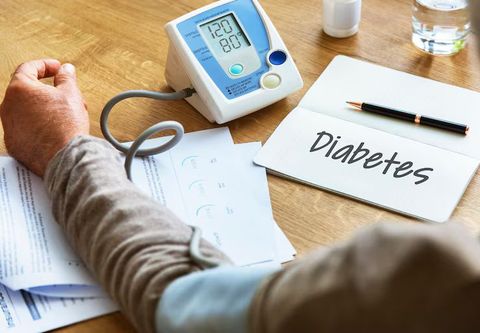
The measurement is usually written as a ratio, such as 120/80 mmHg. This format represents systolic pressure over diastolic pressure.
Key Components of Blood Pressure
Blood pressure readings consist of two main values:
- Systolic Pressure: Pressure when the heart beats
- Diastolic Pressure: Pressure when the heart rests between beats
| Measurement Type | Meaning | Example |
|---|---|---|
| Systolic Pressure | Pressure during heart contraction | 120 |
| Diastolic Pressure | Pressure between heartbeats | 80 |
Abnormal readings may indicate risks such as hypertension, heart disease, or stroke. Early detection allows individuals to take preventive measures.
Who Should Monitor Blood Pressure
Blood pressure monitoring is recommended for several groups. Regular tracking helps identify patterns and manage long-term health risks.
- Adults over age 40
- Individuals with hypertension risk factors
- People with chronic conditions like diabetes
- Individuals with a family history of heart disease
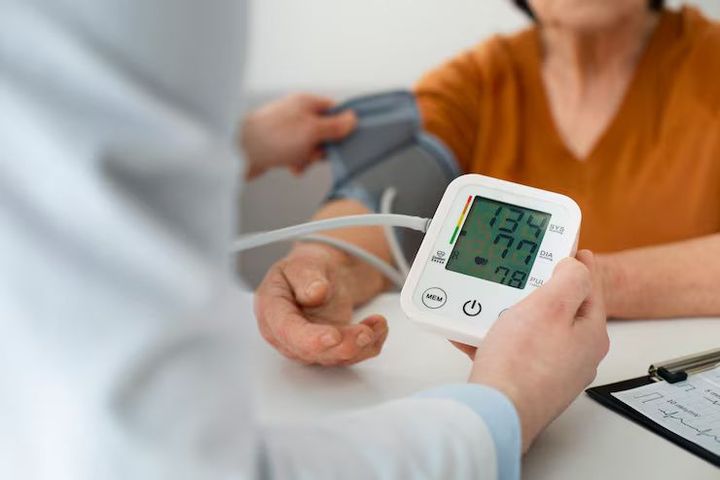
Modern tools such as digital monitors and wearable devices make it easier to track readings consistently.
Why Blood Pressure Monitoring Matters Today
Blood pressure monitoring has become increasingly important due to the global rise in cardiovascular diseases. Hypertension often develops without noticeable symptoms, making regular monitoring essential.
Early detection helps individuals take action before complications arise. Monitoring also supports better management of existing conditions.
Health Benefits of Regular Monitoring
Tracking blood pressure regularly provides several benefits:
- Early identification of hypertension
- Monitoring effectiveness of lifestyle changes
- Supporting medication management under supervision
- Detecting sudden fluctuations
Consistent monitoring also helps individuals understand how daily habits affect their health.
Factors That Influence Blood Pressure
Several lifestyle and environmental factors can impact blood pressure levels:
- Diet and sodium intake
- Stress levels
- Physical activity
- Sleep patterns
- Hydration
Understanding these factors allows individuals to make informed lifestyle adjustments.
Blood Pressure Classification
Medical organizations use standard categories to interpret blood pressure readings.
| Category | Systolic (mmHg) | Diastolic (mmHg) |
|---|---|---|
| Normal | Less than 120 | Less than 80 |
| Elevated | 120–129 | Less than 80 |
| Hypertension Stage 1 | 130–139 | 80–89 |
| Hypertension Stage 2 | 140 or higher | 90 or higher |
These categories help individuals understand whether their readings fall within a healthy range.
Recent Updates in Blood Pressure Monitoring
Recent developments in healthcare technology have improved how blood pressure is monitored. Remote patient monitoring has become more common, allowing healthcare providers to track data in real time.
Wearable devices are also advancing, with some offering estimates of blood pressure trends using sensors. These tools are making monitoring more accessible in daily life.
Key Trends in 2024–2025
Several important trends have emerged:
- Expansion of remote monitoring programs
- Growth of wearable health devices
- Use of artificial intelligence for data analysis
- Increased focus on home-based monitoring
Healthcare providers now emphasize consistent tracking and sharing data with professionals.
Recommended Monitoring Practices
Health organizations suggest the following best practices:
- Measure blood pressure at the same time daily
- Maintain a record of readings
- Share long-term trends with healthcare providers
Public awareness campaigns also highlight the importance of healthy lifestyles in managing blood pressure.
Laws and Regulations
Blood pressure monitoring devices are regulated to ensure accuracy and safety. These regulations vary by country but follow similar standards.
Key Regulatory Authorities
- United States: FDA (Food and Drug Administration)
- European Union: Medical Device Regulation (MDR)
- India: Central Drugs Standard Control Organization (CDSCO)
These organizations ensure devices meet required testing and quality standards.
Public Health Policies
Governments promote preventive healthcare through various initiatives:
- National awareness campaigns
- Community health screenings
- Digital health record integration
These programs aim to reduce the prevalence of hypertension through early detection.
Tools and Digital Resources
Modern technology provides multiple tools for tracking blood pressure. These tools help individuals maintain records and analyze trends over time.
Common Monitoring Tools
- Digital blood pressure monitors
- Mobile health applications
- Wearable health devices
- Electronic health record platforms
These tools allow users to visualize their data and maintain consistent logs.
Overview of Digital Tools
| Tool Type | Purpose | Example Use |
|---|---|---|
| Mobile Health Apps | Track readings over time | Daily logs |
| Wearable Devices | Monitor activity and heart rate | Lifestyle insights |
| Health Data Platforms | Store medical records | Long-term tracking |
| BP Calculators | Interpret readings | Risk awareness |
Many tools include features such as graphs, reminders, and health summaries.
Example Weekly Log
Maintaining a structured log helps track progress over time.
| Date | Time | Systolic | Diastolic | Notes |
|---|---|---|---|---|
| Monday | Morning | 118 | 76 | After exercise |
| Wednesday | Evening | 122 | 80 | Normal routine |
| Friday | Morning | 119 | 78 | Good sleep |
Consistent logging helps identify patterns and supports medical evaluation.
Frequently Asked Questions
What is a healthy blood pressure reading?
A typical healthy reading is around 120/80 mmHg or lower. However, acceptable ranges may vary based on age and medical history.
How often should blood pressure be monitored?
Monitoring frequency depends on individual health needs. Some people check occasionally, while others monitor daily under medical guidance.
Can lifestyle habits affect blood pressure?
Yes, habits such as diet, exercise, sleep, and stress levels significantly influence blood pressure.
Why does blood pressure change during the day?
Blood pressure fluctuates due to activity levels, stress, posture, and natural body rhythms.
What is white coat hypertension?
White coat hypertension refers to higher readings in clinical settings due to anxiety. Home monitoring can help identify this condition.
Conclusion
Blood pressure monitoring plays a critical role in preventive healthcare. It helps individuals understand cardiovascular health and detect potential risks early.
Advancements in digital health technology have made monitoring more accessible and effective. With proper tracking and awareness, individuals can make informed decisions to support long-term wellbeing.