Boho Clothing Tips: Key Elements of the Bohemian Fashion Aesthetic
Boho clothing is a fashion style inspired by artistic, cultural, and free-spirited influences that have evolved over many decades.
The term "boho" comes from "bohemian," a word historically associated with creative communities, writers, musicians, and individuals who embraced unconventional lifestyles. Over time, boho clothing developed into a recognizable fashion category known for relaxed silhouettes, natural materials, decorative patterns, and handcrafted details.
The roots of boho fashion can be traced to artistic movements in Europe during the nineteenth century. Later, elements from folk traditions, global textiles, and counterculture movements influenced the style further. By the late twentieth century, boho clothing had become a distinct fashion trend recognized across different countries and cultures.
Today, boho clothing remains popular because it combines comfort, creativity, and individuality. The style appears in everyday wear, festival fashion, vacation wardrobes, and seasonal collections from many apparel companies.
Characteristics of Boho Clothing
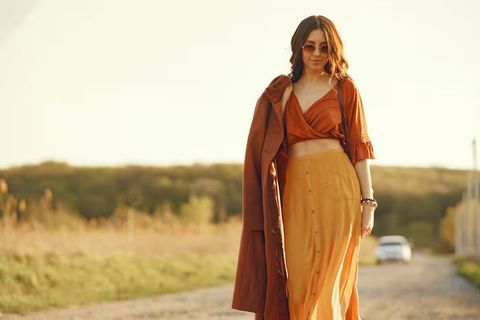
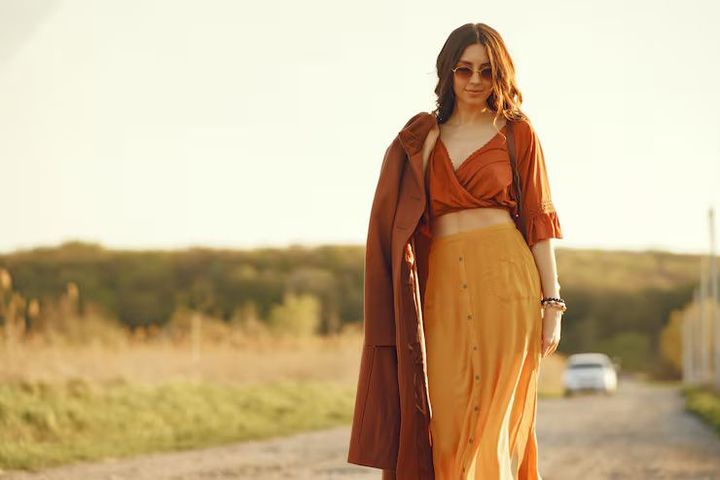
Boho clothing is often recognized through specific design elements. Common characteristics include:
- Loose-fitting silhouettes
- Flowing dresses and skirts
- Embroidered details
- Floral and geometric patterns
- Natural-inspired color palettes
- Layered styling
- Fringe and tassel accents
- Crochet and lace features
These elements create a relaxed appearance that distinguishes boho fashion from more structured clothing styles.
Common Boho Clothing Items
Several garments are frequently associated with boho fashion:
| Clothing Item | Common Features | Typical Use |
|---|---|---|
| Maxi Dresses | Long, flowing design | Casual wear, travel |
| Tunics | Relaxed fit | Everyday outfits |
| Wide-Leg Pants | Comfortable movement | Casual styling |
| Kimonos | Lightweight layering | Seasonal wear |
| Peasant Blouses | Embroidery and loose sleeves | Daily fashion |
| Crochet Tops | Handmade-inspired details | Warm-weather outfits |
These items often appear together in layered combinations that reflect the overall boho aesthetic.
Importance
Encouraging Personal Expression
One reason boho clothing remains relevant is its connection to personal style. Unlike highly structured fashion trends, boho fashion often encourages creative combinations of colors, textures, and accessories.
Many individuals appreciate the flexibility to create unique outfits that reflect personal preferences rather than strict fashion rules.
Comfort and Practicality
Comfort plays an important role in the popularity of boho clothing. Loose-fitting garments can provide ease of movement during daily activities.
This practical aspect appeals to people seeking clothing that balances appearance with comfort.
Cultural and Artistic Influence
Boho fashion incorporates inspiration from various artistic traditions, textile techniques, and global design influences. Embroidery, weaving patterns, and handcrafted details often reflect cultural heritage and traditional craftsmanship.
As a result, boho clothing serves as an example of how fashion can be influenced by diverse artistic sources.
Seasonal Versatility
Many boho garments can be adapted for different weather conditions through layering. Lightweight dresses may be worn in warm climates, while jackets, shawls, and knitwear can be added during cooler seasons.
This versatility contributes to the continued popularity of the style.
Appeal Across Age Groups
Boho fashion is not limited to a single demographic group. People of various ages incorporate boho-inspired elements into their wardrobes.
The broad appeal stems from the adaptability of the style and the variety of available garment options.
Importance
Influence on Modern Fashion
Boho clothing has influenced mainstream fashion for many years. Designers frequently incorporate bohemian-inspired elements into seasonal collections, including embroidery, natural fabrics, and flowing silhouettes.
These influences demonstrate the lasting impact of boho aesthetics on contemporary fashion.
Connection to Sustainable Fashion Discussions
Boho fashion often overlaps with discussions about sustainability and conscious consumption. Many consumers interested in boho styles also explore natural fibers, durable garments, and handcrafted production methods.
While sustainability practices vary among manufacturers, the connection remains a notable aspect of modern boho fashion.
Supporting Creative Styling
The layered nature of boho clothing allows individuals to combine garments in numerous ways. Accessories, scarves, jewelry, hats, and footwear can significantly change the appearance of an outfit.
This adaptability encourages experimentation and creativity in personal fashion choices.
Travel and Lifestyle Associations
Boho clothing is frequently associated with travel, outdoor events, artistic gatherings, and relaxed lifestyle activities. Lightweight materials and comfortable silhouettes make many garments suitable for a variety of casual settings.
These associations have contributed to the style's continued visibility in fashion media and social platforms.
Recent Updates
Growth of Sustainable Materials
Between 2024 and 2026, many apparel companies increased attention toward environmentally conscious materials. Organic cotton, recycled fibers, and lower-impact textile production methods became more common within fashion discussions.
Boho-inspired collections frequently highlight natural textures and material transparency.
Expansion of Inclusive Sizing
The fashion industry has increasingly focused on providing a wider range of sizes and fits. This trend has also influenced boho clothing collections, making styles more accessible to different body types.
Inclusive design continues to be an important industry development.
Digital Fashion Discovery
Social media platforms, online fashion communities, and visual search tools have made it easier for consumers to discover boho clothing styles from around the world.
Digital platforms continue to shape fashion awareness and trend development.
Handmade and Artisan-Inspired Details
Interest in handcrafted aesthetics has remained strong. Embroidery, crochet work, woven textures, and artisan-inspired patterns continue to appear in modern boho fashion.
These elements help distinguish boho clothing from more minimalist styles.
Seasonal Adaptation
Recent fashion collections increasingly adapt boho designs for different climates and seasons. Lightweight summer garments coexist with layered knitwear, outerwear, and textured fabrics suitable for cooler weather.
This flexibility supports year-round use of boho-inspired fashion.
Laws or Policies
Textile Labeling Requirements
Most countries require apparel manufacturers to provide accurate information regarding fiber content, care instructions, and product origin.
These regulations help consumers understand garment composition and maintenance requirements.
Consumer Protection Rules
Fashion companies are generally expected to present product descriptions and advertising information accurately. Consumer protection laws help regulate marketing claims and product disclosures.
Requirements vary across different jurisdictions.
Environmental Regulations
As sustainability becomes a greater focus within the fashion industry, environmental regulations may affect textile production, waste management, and manufacturing practices.
Some regions require additional reporting related to environmental performance.
Intellectual Property Protections
Fashion designs, trademarks, and brand identifiers may be protected through intellectual property laws. These regulations help distinguish authentic products from unauthorized reproductions.
Protection methods differ by country and legal framework.
Import and Trade Policies
Global fashion supply chains are influenced by customs regulations, trade agreements, and import requirements. These factors can affect the availability of apparel products across international markets.
Consumers may notice differences in product selection depending on regional distribution systems.
Tools and Resources
Fashion Size Guides
Size charts assist consumers in comparing body measurements with garment dimensions. These resources can help improve clothing selection decisions.
Fabric Education Resources
Many fashion websites provide educational information about textile properties, including cotton, linen, rayon, and blended fabrics commonly used in boho clothing.
Understanding fabric characteristics can support informed purchasing decisions.
Wardrobe Planning Applications
Digital wardrobe tools allow users to organize clothing collections, plan outfits, and explore styling combinations.
These applications may be useful for individuals interested in layered fashion styles.
Textile Care Resources
Care guides explain proper washing, drying, and storage methods for different fabric types. Following care instructions may help maintain garment appearance and longevity.
Fashion Trend Platforms
Fashion publications and trend-reporting platforms provide information about emerging styles, color palettes, and design influences related to boho clothing and broader apparel trends.
FAQs
What is boho clothing?
Boho clothing is a fashion style inspired by bohemian aesthetics, featuring relaxed silhouettes, decorative patterns, natural textures, and artistic influences from various cultures and traditions.
What are common features of boho clothing?
Common features include flowing dresses, embroidered garments, layered outfits, crochet details, floral patterns, wide-leg pants, and loose-fitting tops.
Is boho clothing suitable for everyday wear?
Yes. Many people incorporate boho clothing into daily wardrobes because of its comfortable fit, versatile styling options, and relaxed appearance.
Which fabrics are commonly used in boho clothing?
Boho clothing often includes cotton, linen, rayon, crochet textiles, and blended fabrics that emphasize comfort, texture, and movement.
Why is boho clothing still popular today?
Boho clothing continues to attract interest because it combines comfort, creative styling opportunities, cultural influences, and adaptable fashion elements suitable for different occasions.
Conclusion
Boho clothing represents a fashion style rooted in artistic expression, cultural influences, and relaxed design principles. Its characteristic features include flowing silhouettes, decorative details, layered styling, and natural-inspired materials. Recent trends highlight sustainability discussions, inclusive sizing, artisan-inspired craftsmanship, and digital fashion discovery. Understanding the history, features, and ongoing evolution of boho clothing provides valuable insight into one of fashion's most enduring style categories.

You May Also Like