Bone & Horn Jewellery Guide: History, Craftsmanship, and Styling Ideas
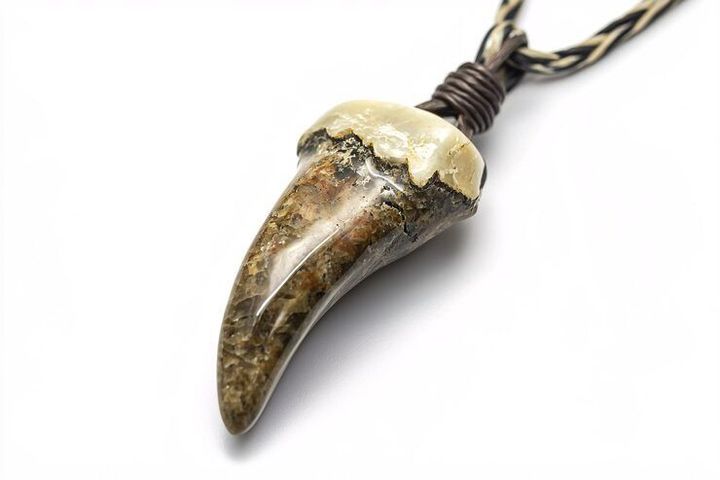
Bone and horn jewellery refers to decorative accessories made from animal bone or horn materials that have been carved, shaped, and polished into wearable art. These materials have been used for centuries in many cultures due to their natural availability, durability, and ability to be shaped into intricate designs.
Historically, bone and horn were among the earliest materials used by humans to create ornaments and tools. Long before modern metalworking techniques developed, artisans discovered that these materials could be carved into beads, pendants, bangles, and decorative elements. Archaeological discoveries show that bone jewellery existed across ancient civilizations in Asia, Africa, and Europe.
The crafting process involves cleaning, shaping, carving, and polishing the material. Artisans often engrave patterns and may combine bone or horn with wood, metal, or gemstones. The final pieces range from simple designs to intricate cultural motifs inspired by nature or heritage.
Today, bone and horn jewellery appears in fashion collections, cultural exhibitions, and artisan markets worldwide.
Why Bone & Horn Jewellery Matters Today
Bone and horn jewellery remains relevant because it combines traditional craftsmanship, cultural identity, and natural materials. With increasing interest in handcrafted and heritage-based products, it has gained renewed attention in modern fashion.
Key Groups Influenced
- Cultural artisans preserving traditional carving techniques
- Designers exploring biodegradable materials
- Researchers studying historical craftsmanship
- Consumers interested in sustainable fashion
Cultural and Sustainability Significance
Many communities pass down carving techniques through generations, preserving unique artistic traditions. These methods reflect local culture and identity, making each piece meaningful beyond aesthetics.
When sourced ethically as by-products of livestock industries, bone and horn can reduce material waste. This makes them an alternative to synthetic materials in sustainability discussions.
Design Advantages
- Lightweight yet durable material
- Suitable for large statement pieces
- Easily carved into complex shapes
- Naturally unique textures and color variations
Shades range from ivory and cream to deep brown and black, depending on the material and finishing process. These qualities make each piece distinct and visually appealing.
Recent Developments and Industry Trends
In recent years, bone and horn jewellery has seen increased attention due to cultural and sustainability movements. Organizations have focused on documenting traditional techniques and promoting artisan craftsmanship.
Key Trends in 2025
- Minimalist designs with geometric shapes
- Mixed-material jewellery combining wood, metal, and horn
- Natural color palettes highlighting organic textures
- Tribal and heritage-inspired carvings
Digital platforms have also contributed by offering museum archives and educational resources. These tools help researchers and designers understand historical patterns and techniques.
Educational programs have expanded as well, with design institutes including traditional materials in sustainability-focused courses.
Regulations and Cultural Protection Policies
Bone and horn jewellery is regulated to ensure ethical sourcing and wildlife protection. These regulations aim to prevent illegal trade and protect endangered species.
Key Regulatory Areas
- Wildlife conservation laws
- Import and export documentation requirements
- Cultural heritage preservation policies
- Environmental regulations for processing materials
Governments and organizations also support artisan communities through training and development programs. These initiatives promote sustainable practices and preserve traditional skills.
Tools and Resources for Learning
Various tools and platforms help individuals explore bone and horn jewellery. These resources are valuable for designers, researchers, and students.
Useful Resources
- Online museum archives
- CAD design software
- Cultural research platforms
- Material science databases
- Craft documentation websites
Tools Overview Table
| Tool Category | Purpose | Example Use |
|---|---|---|
| CAD Design Software | Create digital jewellery models | Planning carved patterns |
| Museum Digital Archives | Study historical artifacts | Cultural research |
| Material Databases | Analyze material properties | Design planning |
| Craft Documentation | Preserve techniques | Educational learning |
Material Characteristics Table
| Material Property | Bone | Horn |
|---|---|---|
| Texture | Dense, slightly porous | Smooth, layered |
| Color Range | Ivory to cream | Brown to black |
| Carving Difficulty | Moderate | Moderate to high |
| Traditional Uses | Beads, pendants | Bangles, combs |
Understanding these characteristics helps in studying and designing traditional jewellery.
Frequently Asked Questions
What is bone and horn jewellery made from?
Bone jewellery is typically made from animal bones such as cattle or camel bones. Horn jewellery comes from materials like buffalo or cattle horns, shaped and polished into decorative items.
Why has bone jewellery been used historically?
Bone was widely available and easy to carve using early tools. Ancient cultures used it for ornaments, tools, and ceremonial objects.
Is bone and horn jewellery sustainable?
When sourced responsibly as by-products, these materials can be reused instead of discarded. This supports material efficiency and reduces waste.
How is bone jewellery crafted?
The process includes cleaning, cutting, carving, sanding, and polishing the material. These steps create smooth and decorative finished pieces.
Which cultures used bone jewellery?
Bone jewellery has been used in South Asia, Africa, Native American cultures, and Southeast Asia.
Conclusion
Bone and horn jewellery represents a long-standing tradition that connects modern design with historical craftsmanship. These materials have been used for centuries to create meaningful decorative objects.
Growing interest in sustainability and heritage crafts has increased their relevance today. Preservation initiatives, digital archives, and education programs are helping protect these traditions.
At the same time, regulations ensure responsible sourcing and environmental protection. Understanding these aspects provides deeper insight into the cultural and artistic importance of this enduring craft.