Building Materials Guide: Information on Modern Building Solutions
Building materials are the foundation of every construction project, from residential homes to commercial buildings and public infrastructure. They determine the strength, durability, safety, and efficiency of structures while supporting modern construction methods. As technology continues to improve, modern building solutions now include materials designed for better performance, sustainability, and long-term reliability.
Understanding different building materials helps property owners, students, architects, engineers, and construction professionals make informed decisions during planning and development. This guide explains the role of modern building materials, recent industry developments, regulations, useful resources, and frequently asked questions in a simple and practical way.
Context – What Are Building Materials?
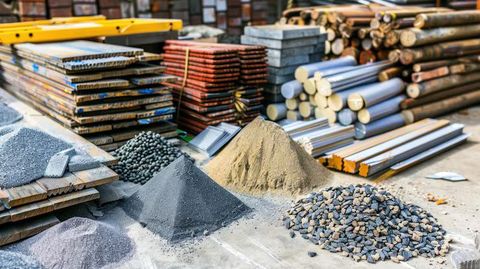
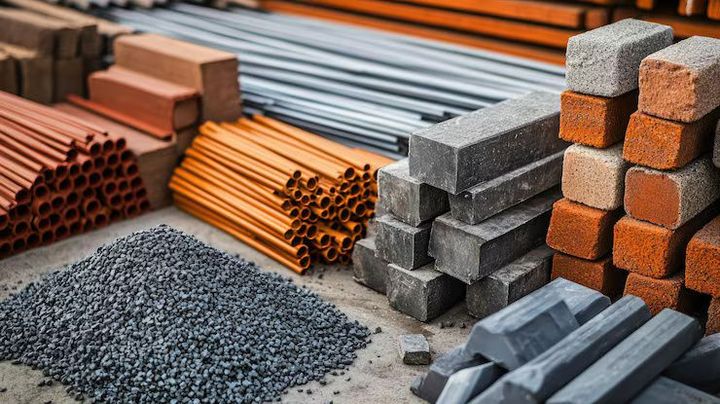
Building materials are natural or manufactured products used to construct buildings, roads, bridges, and other structures. Common examples include concrete, cement, bricks, steel, wood, glass, stone, aluminum, insulation materials, and engineered composites.
Modern building solutions combine traditional materials with advanced technologies to improve structural performance, energy efficiency, environmental sustainability, and long-term maintenance. Many projects now use innovative materials that reduce environmental impact while maintaining high quality and safety standards.
The purpose of selecting suitable building materials is to ensure that structures remain durable, safe, and appropriate for their intended use throughout their lifespan.
Types of Modern Building Materials
Modern construction commonly includes:
- Concrete and reinforced concrete
- Structural steel
- Engineered timber
- Lightweight concrete blocks
- Glass and glazing systems
- Composite panels
- Insulation materials
- Recycled and sustainable materials
Common Applications
| Building Material | Common Use | Main Benefit |
|---|---|---|
| Concrete | Foundations and structures | Strength and durability |
| Steel | Frames and reinforcement | High structural capacity |
| Brick | Walls and partitions | Long-lasting performance |
| Glass | Windows and facades | Natural lighting |
| Engineered Wood | Residential construction | Reduced environmental impact |
| Insulation Materials | Walls and roofs | Improved energy efficiency |
| Stone | Exterior and landscaping | Weather resistance |
| Composite Materials | Modern structures | Lightweight performance |
Importance – Why It Matters and Who It Affects
Building materials influence nearly every aspect of construction. Selecting appropriate materials helps improve structural integrity, environmental performance, occupant comfort, and maintenance planning.
Modern building solutions also contribute to efficient resource management by supporting improved insulation, water conservation, and reduced construction waste.
The importance of building materials extends to many groups, including:
- Homeowners planning residential construction
- Architects designing buildings
- Civil and structural engineers
- Construction companies
- Infrastructure planners
- Educational institutions
- Government authorities responsible for building standards
Quality materials also contribute to public safety by helping buildings withstand weather conditions, heavy loads, fire exposure, and normal wear over time.
Recent Updates – Trends and Developments from 2024–2026
The building materials industry has continued to evolve between 2024 and 2026 with increased attention to sustainability, digital construction, and resource efficiency.
Several important developments include:
- Greater use of recycled construction materials.
- Increased adoption of low-carbon concrete technologies.
- Growth in modular and prefabricated construction methods.
- Expanded use of Building Information Modeling (BIM) for planning.
- Improved insulation products supporting energy-efficient buildings.
- Development of smart materials capable of monitoring structural conditions.
- Increased research into environmentally responsible cement alternatives.
Digital technologies have also improved project planning by helping professionals estimate material quantities, reduce waste, and coordinate construction activities more accurately.
Governments and industry organizations continue encouraging sustainable construction practices through updated building codes and environmental guidelines.
Laws or Policies – Relevant Rules, Regulations, or Government Policies
Building materials are generally regulated through national and local construction standards that promote safety, structural reliability, environmental protection, and public health.
Although regulations vary by country, many projects follow recognized technical standards covering material quality, testing procedures, structural design, and fire safety.
Examples of commonly recognized standards include:
- National building codes
- Fire safety regulations
- Structural engineering standards
- Environmental sustainability guidelines
- Energy efficiency requirements
- Material quality certification standards
Before beginning construction, project teams should review applicable local regulations, obtain required approvals, and confirm that materials meet relevant certification requirements.
Compliance with building codes helps improve safety while supporting consistent construction quality across residential, commercial, and industrial projects.
Tools and Resources – Useful Websites, Calculators, Templates, or Platforms
Several digital resources help users understand building materials and modern construction methods.
Useful resources include:
- National building code publications
- Government construction departments
- Material specification guides
- BIM software platforms
- Structural design calculators
- Concrete mix calculation tools
- Energy efficiency assessment tools
- Construction standards documentation
- Sustainability certification resources
These resources help improve planning accuracy, material selection, documentation, and compliance with construction requirements.
FAQs
1. What are building materials?
Building materials are products used to construct buildings and infrastructure, including concrete, steel, bricks, wood, glass, stone, and modern engineered materials.
2. What are modern building solutions?
Modern building solutions combine advanced materials, digital technologies, and efficient construction techniques to improve durability, sustainability, and overall building performance.
3. Why is material selection important?
Choosing appropriate building materials helps improve structural safety, energy efficiency, durability, maintenance planning, and environmental performance.
4. Are sustainable building materials becoming more common?
Yes. Many construction projects increasingly use recycled materials, energy-efficient insulation, engineered wood products, and lower-carbon concrete alternatives as sustainability becomes a greater priority.
5. Where can I learn more about building materials?
Reliable information is available through government construction authorities, engineering organizations, educational institutions, technical standards publications, and building code documentation.
Conclusion
Building materials remain one of the most important elements of modern construction. They influence structural performance, safety, environmental impact, and long-term durability across residential, commercial, and infrastructure projects.
As construction technologies continue to develop, modern building solutions are increasingly focused on efficiency, sustainability, and improved engineering performance. Understanding available materials and applicable regulations supports informed decision-making throughout the construction process.
Keeping up with current trends, technical standards, and reliable educational resources helps individuals and organizations better understand how modern building materials contribute to safe, durable, and efficient buildings.
Careful planning, compliance with building regulations, and knowledge of modern construction practices remain essential for successful building projects now and in the future.