Cafe Dining Furniture: Design, Materials, Layout and Compliance Guide
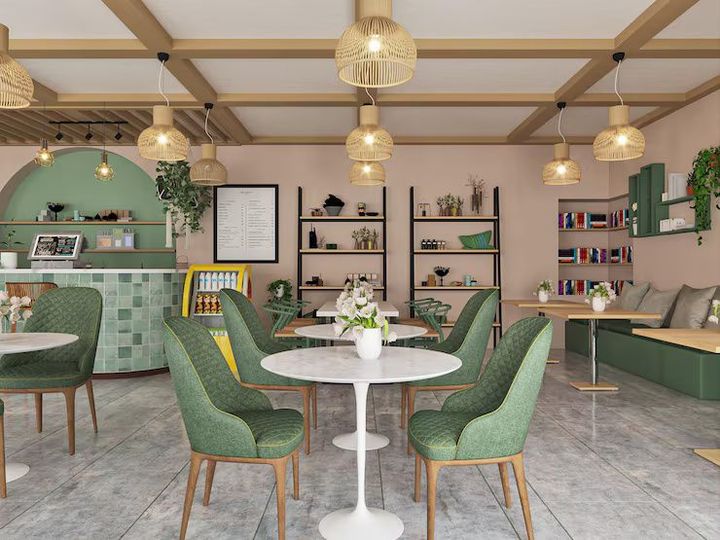
Cafe dining furniture refers to tables, chairs, bar stools, booths, and outdoor seating specifically designed for cafés, coffee shops, and casual dining spaces. Unlike residential furniture, commercial furniture design focuses on durability, safety, space optimization, and customer comfort in high-traffic environments.
Cafe dining furniture refers to the tables, chairs, and seating systems used in cafés and similar hospitality settings. Cafés have evolved into multifunctional spaces, serving as venues for dining, social interaction, and remote work. Furniture in these spaces must balance visual appeal, ergonomic support, and long-term durability.
Modern hospitality furniture uses materials such as solid wood, engineered wood, powder-coated steel, aluminum, high-pressure laminate, and molded polypropylene. These are chosen for their resilience against repeated use, frequent cleaning, and indoor or outdoor environmental exposure.
Importance of Cafe Dining Furniture Today
Cafe dining furniture impacts customer experience, brand identity, operational efficiency, and regulatory compliance. Its influence goes beyond aesthetics.
Key Benefits
- Customer Comfort and Retention: Ergonomic seating encourages longer visits and repeat customers.
- Space Optimization: Proper layout improves movement flow for staff and guests.
- Brand Identity: Furniture style reinforces interior design themes, such as industrial, minimalist, or Scandinavian.
- Durability and Maintenance: High-quality materials reduce replacement frequency.
- Health and Hygiene: Surfaces must be easy to sanitize, especially in post-pandemic environments.
The rise of remote work and outdoor dining has increased the demand for flexible, weather-resistant, and ergonomically designed furniture.
Common Materials for Cafe Furniture
| Material | Durability Level | Maintenance Need | Suitable For |
|---|---|---|---|
| Solid Wood | High | Moderate | Indoor cafés |
| Powder-Coated Steel | Very High | Low | Indoor & Outdoor |
| Aluminum | High | Low | Outdoor seating |
| Laminate Surfaces | Moderate | Low | High-traffic areas |
| Polypropylene | High | Very Low | Stackable seating |
Material choice affects longevity, cleaning efficiency, and regulatory compliance.
Recent Updates and Trends in 2025
Sustainable Materials
Eco-friendly options such as FSC-certified wood, recycled metal, and low-VOC finishes are increasingly popular. Sustainability reporting is becoming part of procurement decisions.
Modular Seating Systems
Flexible arrangements allow reconfiguration for events, group gatherings, or peak-hour adjustments, improving operational efficiency.
Technology Integration
Some tables now feature built-in cable management or concealed charging ports to support digital work environments.
Outdoor and Acoustic-Friendly Furniture
Outdoor seating is expanding in urban areas with municipal support, while acoustic-friendly designs reduce noise levels in busy cafés.
These trends reflect broader shifts in urban planning, environmental awareness, and hybrid working culture.
Laws and Policies Affecting Cafe Dining Furniture
Café furniture must comply with safety, accessibility, and municipal regulations.
Key Regulatory Areas
- Fire Safety Standards: Upholstery may require flame-retardant materials.
- Accessibility Requirements: Seating must allow wheelchair access and appropriate table heights.
- Building Occupancy Codes: Maximum capacity depends on floor area and emergency exits.
- Outdoor Licensing Rules: Municipal permits may be needed for public space seating.
- Hygiene and Sanitation Norms: Surfaces must be easy to clean and food-safe.
Compliance ensures safety, reduces legal risk, and supports a positive customer experience.
Tools and Resources for Planning
Digital tools and structured resources simplify furniture planning:
- Floor Planning Software: SketchUp, AutoCAD for layout visualization.
- Space Planning Calculators: Estimate seating capacity based on square footage.
- Ergonomic Measurement Charts: Reference standard table and chair heights.
- Fire Safety Compliance Checklists: Provided by municipal authorities.
- Sustainability Certification Directories: Verify eco-friendly materials.
- Hospitality Design Templates: Support concept development.
Ergonomic Reference Measurements
| Furniture Type | Standard Height (Approx.) |
|---|---|
| Dining Table | 28–30 inches (71–76 cm) |
| Dining Chair | 17–19 inches seat height |
| Bar Table | 40–42 inches |
| Bar Stool | 28–30 inches seat height |
Standard measurements support comfort and accessibility compliance.
Frequently Asked Questions
What is the difference between residential and commercial café furniture?
Commercial furniture is built for high-traffic use with reinforced joints and durable finishes, while residential furniture lacks the same durability standards.
How much space should be left between tables?
Generally 18–24 inches between chairs and at least 36 inches for main walkways, depending on local codes.
Is outdoor café furniture regulated?
Yes. Municipal permits, public space guidelines, and weather-resistant materials are often required.
What materials are easiest to maintain?
Powder-coated steel, laminate, and polypropylene are low maintenance and resistant to stains and moisture.
How does sustainability influence furniture choices?
Sustainability impacts material sourcing, manufacturing processes, and long-term durability. Eco-friendly options are preferred for environmental responsibility.
Conclusion
Cafe dining furniture is central to hospitality success, affecting comfort, operational flow, safety compliance, and brand identity. Modern commercial furniture emphasizes durability, ergonomics, sustainability, and flexible layouts.
In 2025, trends include modular systems, eco-conscious materials, technology integration, and acoustic-friendly designs. Using planning tools, adhering to regulations, and following ergonomic standards ensure café interiors remain functional, safe, and adaptable to evolving customer needs.
Careful consideration of materials, layout, and compliance supports long-term performance and responsible hospitality design.