Luxury Interior Decoration Guide With Essential Ideas for Enhancing Visual Appeal and Comfort
Interior design plays a significant role in shaping how a home or commercial space looks, feels, and functions.
While every design style has its own appeal, luxury interior decoration is often associated with refined aesthetics, thoughtful planning, premium materials, and a strong focus on comfort. A well-designed luxury interior creates an environment that feels welcoming while reflecting attention to detail and timeless elegance.
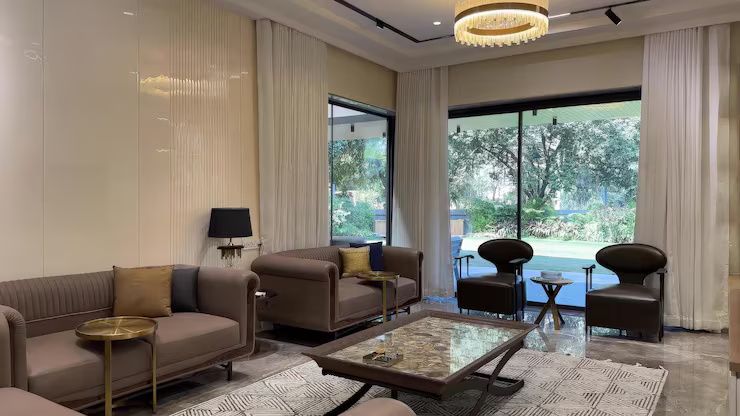
Many people assume luxury design is only about expensive furniture or decorative elements. In reality, successful luxury interiors are often built around balance, functionality, quality craftsmanship, and visual harmony. The goal is not simply to fill a space with decorative items but to create an atmosphere that combines sophistication with everyday comfort.
What really matters is how individual design elements work together. Furniture, lighting, textures, colors, and spatial planning all contribute to the overall experience of a luxury interior.
This guide explores the fundamentals of luxury interior decoration, explains key design principles, highlights essential decorative elements, and examines practical ideas for enhancing both visual appeal and comfort.
Understanding Luxury Interior Decoration
Luxury interior decoration focuses on creating spaces that feel elegant, comfortable, and visually balanced. It emphasizes quality materials, thoughtful design choices, and carefully selected decorative features that contribute to a refined environment.
Unlike trends that prioritize appearance alone, luxury interiors often combine aesthetics with functionality. Every element within the space is chosen to support both comfort and visual consistency.
This matters because a beautiful room may not feel truly luxurious if it lacks comfort, organization, or practical usability.
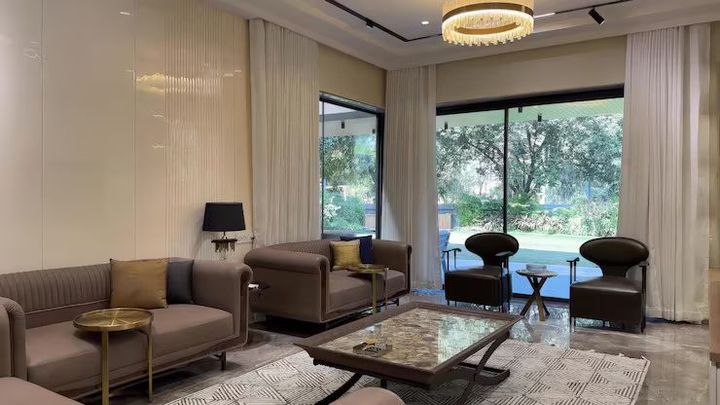
A practical example is a living room that combines premium seating, balanced lighting, and carefully selected décor to create a relaxing yet sophisticated atmosphere.
Why Luxury Interior Design Remains Popular
Luxury interiors continue to attract attention because they create environments that feel timeless and inviting.
Well-designed spaces can improve comfort, support relaxation, and enhance the overall experience of living or working within a room. Luxury design also tends to emphasize durability and craftsmanship, allowing spaces to maintain their appeal over time.
The real difference appears when decorative elements contribute to both aesthetics and functionality rather than serving only a visual purpose.
A real-world example is a luxury bedroom designed with calming colors, layered lighting, and high-quality furnishings that support both comfort and elegance.
The Foundation of a Luxury Interior
Every luxury interior begins with a strong design foundation.
Space planning helps determine how furniture, décor, and architectural elements interact within a room. Proper layout ensures the space remains open, functional, and visually balanced.
Color selection also plays an important role. Many luxury interiors use neutral palettes combined with carefully placed accent colors to create sophistication without overwhelming the space.
This matters because even premium decorative items may appear disorganized if the overall design lacks structure.
A practical example is an open-concept living area where furniture placement supports both movement and visual harmony.
Essential Elements of Luxury Interior Decoration
Several design elements contribute to the overall character of a luxury interior.
High-Quality Materials
Materials such as natural stone, wood, glass, metal accents, and premium fabrics are commonly used to create a refined appearance.
Thoughtful Furniture Selection
Luxury interiors often prioritize comfort, craftsmanship, and proportion rather than simply focusing on size or decoration.
Balanced Color Schemes
Neutral tones, soft textures, and carefully selected accent colors help establish a sophisticated atmosphere.
Attention to Detail
Decorative finishes, custom features, and coordinated design elements contribute to a polished final result.
Each of these elements helps create a cohesive and visually appealing environment.
The Role of Lighting in Luxury Spaces
Lighting is one of the most influential aspects of interior decoration.
Natural light enhances openness and highlights architectural features, while artificial lighting supports functionality and ambiance. Luxury interiors often use layered lighting strategies that combine ambient, task, and accent lighting.
Important lighting approaches include:
- Statement chandeliers
- Recessed ceiling lighting
- Decorative wall fixtures
- Accent lighting for artwork and décor
These lighting elements help create depth and visual interest throughout a space.
A practical example is a dining area where layered lighting enhances both functionality and atmosphere during different times of day.
How Textures Enhance Comfort and Style
Texture adds depth and character to interior spaces.
Soft fabrics, natural wood finishes, polished stone surfaces, and decorative textiles create visual contrast while improving comfort. Combining different textures helps prevent interiors from appearing flat or overly uniform.
This matters because luxury design often relies on subtle details rather than excessive decoration.
A real-world example is a living room that combines velvet upholstery, wood accents, and textured rugs to create a balanced and inviting environment.
The real difference appears when textures contribute to both visual appeal and everyday comfort.
Creating Visual Balance Through Décor
Decorative elements help personalize luxury interiors while reinforcing overall design themes.
Artwork, mirrors, decorative accessories, and indoor plants can introduce visual interest without overwhelming the space. Strategic placement often matters more than quantity.
Over-decoration can reduce the sense of openness and sophistication that luxury interiors typically aim to achieve.
A practical example is using a large statement artwork as a focal point instead of filling every wall with decorative items.
Balanced décor helps maintain elegance while preserving functionality.
Comparing Popular Luxury Interior Styles
| Style | Key Characteristics | Visual Effect |
|---|---|---|
| Modern Luxury | Clean Lines, Minimal Décor | Sophisticated Simplicity |
| Contemporary Luxury | Current Design Trends | Refined Flexibility |
| Classic Luxury | Traditional Details | Timeless Elegance |
| Transitional Luxury | Blend of Modern and Traditional | Balanced Comfort |
The real difference appears when a chosen style reflects both personal preferences and the intended function of the space.
Decision Guide for Designing a Luxury Interior
Developing a luxury interior depends on several important considerations.
Space size often influences design choices because larger rooms may accommodate more dramatic elements, while smaller spaces benefit from carefully selected furnishings and layouts.
Lifestyle needs should also guide design decisions. A family-oriented environment may prioritize comfort and durability, while a formal space may emphasize visual refinement.
Material selection plays an important role because finishes influence both appearance and long-term performance.
A practical example is comparing a modern urban apartment with a spacious residential home. Both can achieve luxury aesthetics, but their design priorities may differ significantly.
In many cases, the real difference appears when design decisions support both functionality and visual harmony.
Real-World Applications of Luxury Interior Design
Luxury interior decoration is used across many environments.
Residential properties often focus on comfort, relaxation, and personal expression.
Hospitality spaces emphasize guest experience through elegant design and welcoming atmospheres.
Corporate interiors may use luxury design principles to create professional and visually impressive environments.
High-end retail spaces frequently incorporate luxury elements to enhance customer engagement and overall aesthetics.
These examples demonstrate the versatility of luxury interior design across different settings.
Future Trends in Luxury Interior Decoration
Luxury interior design continues evolving alongside changes in technology, sustainability, and lifestyle preferences.
Smart home integration is becoming increasingly common, allowing technology to blend seamlessly into sophisticated interiors.
Sustainable materials are gaining popularity as designers seek environmentally conscious solutions without compromising aesthetics.
Personalized design approaches are also expanding as homeowners look for interiors that reflect individual lifestyles and preferences.
Natural materials, wellness-focused spaces, and multifunctional layouts are expected to remain influential in future luxury design trends.
What really matters is how these innovations enhance both comfort and visual appeal while preserving the timeless qualities associated with luxury interiors.
FAQ
1. What defines luxury interior decoration?
Luxury interior decoration focuses on quality materials, thoughtful design, comfort, and refined visual aesthetics.
2. Why is lighting important in luxury interiors?
Lighting enhances ambiance, highlights design features, and improves both functionality and visual appeal.
3. What materials are commonly used in luxury interiors?
Natural stone, wood, premium fabrics, glass, and decorative metal finishes are frequently used.
4. How can textures improve interior design?
Textures add visual depth, create contrast, and contribute to overall comfort within a space.
5. Are luxury interiors only suitable for large homes?
No. Luxury design principles can be applied effectively in both small and large spaces through thoughtful planning and material selection.
Conclusion
Luxury interior decoration is about much more than appearance. It combines comfort, craftsmanship, functionality, and visual harmony to create spaces that feel elegant and inviting. Through careful attention to lighting, materials, textures, furniture selection, and décor, luxury interiors achieve a balance that supports both beauty and everyday living.
As design trends continue evolving, luxury interiors are increasingly incorporating smart technologies, sustainable materials, and personalized features. Understanding the principles behind luxury interior decoration provides valuable insight into creating spaces that remain visually appealing, comfortable, and timeless for years to come.