Learn Office Space Interior Design Basics for Better Workplace Layout and Efficiency
The design of a workplace has a significant impact on how employees interact, collaborate, and perform daily tasks.
An office is more than just a location where work takes place. It is an environment that can influence productivity, comfort, communication, and overall operational efficiency. As businesses continue adapting to changing work styles, thoughtful office space interior design has become an important part of workplace planning.
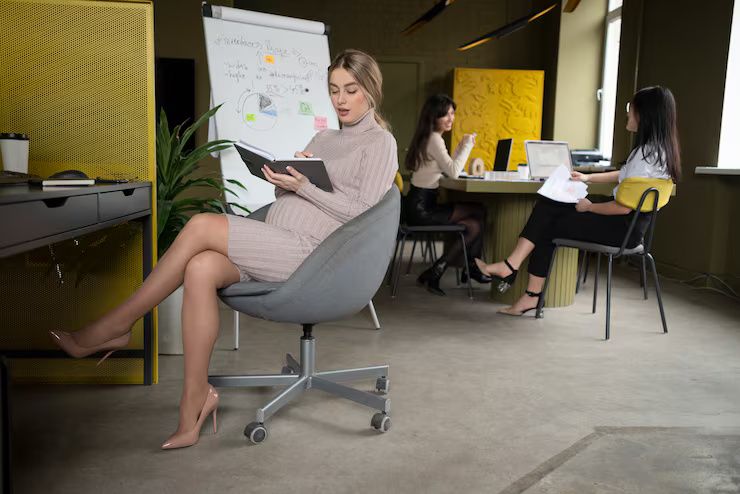
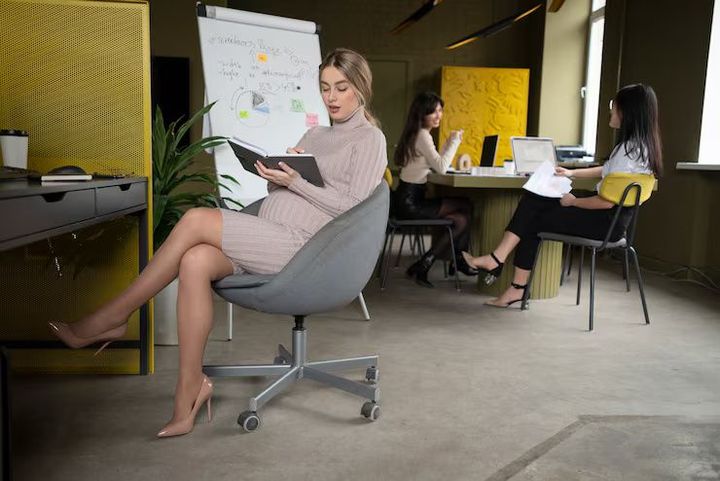
Modern offices are expected to support a variety of activities, including focused individual work, team collaboration, meetings, and flexible work arrangements. This has encouraged organizations to rethink traditional layouts and create spaces that better align with employee needs and business objectives.
What really matters is not simply arranging desks and furniture. Effective office interior design combines functionality, comfort, and space utilization to create an environment that supports both people and processes.
This guide explores the fundamentals of office space interior design, explains key layout principles, highlights essential design elements, and examines how workplace environments can contribute to greater efficiency.
Understanding Office Space Interior Design
Office space interior design focuses on organizing workplace environments to support productivity, comfort, and operational goals. It involves planning how furniture, workstations, meeting areas, lighting, and circulation spaces function together within an office.
A well-designed office considers both practical requirements and employee experience. The layout should allow people to move efficiently, access resources easily, and perform tasks without unnecessary distractions.
This matters because workspace design directly affects how employees interact with their environment throughout the day.
A practical example is an office that positions collaborative areas near team workspaces while maintaining quieter zones for focused tasks.
Why Workplace Design Matters
The physical workplace influences many aspects of daily operations.
Poorly organized spaces can create congestion, reduce efficiency, and make collaboration more difficult. In contrast, thoughtfully designed workplaces often support smoother workflows and better utilization of available space.
The real difference appears when office design helps employees perform tasks more comfortably while supporting organizational objectives.
A real-world example is a company redesigning its office layout to reduce unnecessary movement between departments and improve communication among teams.
How Office Layouts Affect Efficiency
Workplace layouts determine how employees move, communicate, and access resources throughout the workday.
An effective layout minimizes disruptions while supporting both collaboration and concentration. Space allocation should reflect how employees actually use the workplace rather than relying solely on traditional office structures.
This matters because even attractive office environments may struggle to support efficiency if the layout does not match operational needs.
A practical example is positioning frequently used equipment in accessible locations to reduce unnecessary travel time within the office.
Common Office Layout Types
Different office layouts serve different organizational needs and work styles.
Open Office Layout
Open layouts reduce physical barriers between employees and encourage communication and collaboration.
Private Office Layout
Private offices provide greater privacy and are often used for leadership roles or tasks requiring confidentiality.
Hybrid Layout
Hybrid designs combine open areas with private spaces, balancing collaboration and focused work.
Flexible Workspace Layout
Flexible environments support changing work patterns through adaptable seating and multifunctional areas.
Each layout offers unique advantages depending on organizational priorities and workforce requirements.
Essential Elements of Office Interior Design
Several design components contribute to workplace functionality and employee comfort.
Furniture Planning
Furniture should support daily tasks while promoting comfort and efficient space utilization.
Lighting Design
Proper lighting helps improve visibility and contributes to a more comfortable work environment.
Space Organization
Workstations, meeting areas, and shared spaces should be arranged logically to support workflow efficiency.
Storage Solutions
Organized storage helps maintain a clean and functional workplace.
These elements work together to create a balanced and productive office environment.
The Role of Ergonomics in Workplace Design
Ergonomics focuses on creating work environments that support employee comfort and physical well-being.
Proper desk heights, supportive seating, monitor positioning, and workstation design can contribute to a more comfortable workspace. Ergonomic considerations may also help reduce discomfort associated with extended periods of desk work.
Important ergonomic considerations include:
- Adjustable seating
- Proper monitor placement
- Comfortable desk configurations
- Sufficient workspace clearance
These factors help employees work more comfortably throughout the day.
A practical example is a workstation designed to support natural posture while allowing easy access to frequently used tools and equipment.
Creating Collaborative and Focus Areas
Modern workplaces often need to support different styles of work within the same environment.
Collaborative spaces encourage teamwork, brainstorming, and group discussions. Quiet areas support tasks requiring concentration and minimal interruptions.
This matters because employees frequently alternate between independent work and collaborative activities during a typical workday.
A real-world example is an office that includes dedicated meeting zones alongside quieter workstations to accommodate different productivity needs.
The real difference appears when workplace design supports flexibility without compromising efficiency.
Technology and Modern Office Design
Technology plays an increasingly important role in office planning.
Meeting rooms often incorporate digital collaboration tools that support communication between on-site and remote participants. Smart workplace systems may help manage lighting, room usage, and environmental conditions.
A practical example is a conference space equipped with integrated communication technology that supports hybrid meetings.
Technology integration helps offices adapt to evolving work practices while maintaining operational effectiveness.
Comparing Popular Office Layout Approaches
| Layout Type | Primary Focus | Workplace Benefit |
|---|---|---|
| Open Office | Collaboration | Increased Interaction |
| Private Office | Privacy | Focused Work Environment |
| Hybrid Layout | Flexibility | Balanced Functionality |
| Flexible Workspace | Adaptability | Efficient Space Usage |
The real difference appears when the chosen layout aligns with organizational goals and employee work patterns.
Decision Guide for Planning an Office Interior
Designing an effective office requires consideration of several important factors.
Workforce size influences space requirements and workstation planning. Business activities should also be evaluated because different tasks require different environments.
Collaboration needs may affect how much space is allocated to meeting areas and shared work zones. Growth expectations should also be considered when planning future workspace flexibility.
A practical example is comparing a creative agency with a financial consulting firm. Both require efficient offices, but their workspace priorities and layout requirements may differ significantly.
In many cases, the real difference appears when workplace design reflects how employees actually work rather than following generic office trends.
Real-World Applications Across Industries
Office interior design principles are applied across many business sectors.
Corporate offices often focus on efficiency, collaboration, and professional presentation.
Technology companies frequently prioritize flexibility and creative work environments.
Healthcare administration offices emphasize organization, accessibility, and workflow management.
Educational institutions use office design to support administrative operations and staff collaboration.
These examples demonstrate how office interior design adapts to different organizational objectives.
Future Trends in Office Space Design
Workplace design continues evolving in response to changing work habits and technological advancements.
Hybrid work models are influencing the development of more flexible office environments. Organizations are increasingly creating spaces that support both in-person and remote collaboration.
Sustainability is becoming a greater priority, with many workplaces incorporating environmentally conscious materials and energy-efficient design strategies.
Employee wellness is also shaping future office layouts through improved ergonomics, natural lighting, and wellness-focused environments.
What really matters is how workplaces continue adapting to support productivity, flexibility, and employee experience in a rapidly changing professional landscape.
FAQ
1. What is office space interior design?
Office space interior design involves planning workplace layouts, furniture, lighting, and functional areas to support productivity and efficiency.
2. Why is workplace layout important?
A well-planned layout can improve workflow, communication, space utilization, and employee comfort.
3. What are the main types of office layouts?
Common layouts include open offices, private offices, hybrid workspaces, and flexible workplace designs.
4. How does ergonomics influence office design?
Ergonomics helps create comfortable workstations that support employee well-being and productivity.
5. What role does technology play in modern offices?
Technology supports communication, collaboration, workspace management, and operational efficiency.
Conclusion
Office space interior design plays an important role in creating workplaces that support productivity, comfort, and operational efficiency. Through thoughtful planning of layouts, furniture, lighting, ergonomics, and collaborative spaces, organizations can create environments that help employees perform effectively while supporting business objectives.
As workplace expectations continue evolving, office design is becoming more flexible, technology-driven, and focused on employee experience. Understanding the fundamentals of office interior design provides valuable insight into how businesses can create efficient and adaptable work environments for the future.