Convertible Space Saving Furniture: Complete Guide to Smart Designs, Space Optimization Tips, and Modern Living Insights
Convertible space saving furniture refers to furniture designed to serve more than one function or adapt to different uses within a limited living area. This concept has developed alongside urban housing trends where living spaces are becoming smaller, particularly in apartments, studio homes, and compact urban housing units. By combining multiple functions into a single piece, these designs help people use limited space more efficiently.
The idea behind convertible furniture is not new. Historical examples include folding beds, nesting tables, and modular seating systems. Over time, improvements in materials, mechanical systems, and interior design have expanded the variety of smart furniture solutions available for modern homes.
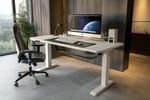
Today, convertible space saving furniture often includes items such as foldable desks, wall beds, expandable tables, and storage-integrated seating. These designs aim to make small living areas more adaptable without requiring structural changes to a home. As urban housing continues to evolve, smart furniture designs are becoming increasingly relevant for everyday living.
Importance
Space constraints are a growing concern in many cities around the world. Smaller apartments and shared living arrangements often require creative ways to organize furniture without making rooms feel overcrowded. Convertible space saving furniture addresses this challenge by allowing one piece to perform several functions.
Several groups of people benefit from space-efficient furniture design:
- Urban residents: Individuals living in compact apartments often rely on multifunctional furniture to manage limited floor space.
- Students and shared housing occupants: Small dormitories or shared accommodations frequently use convertible furniture to maximize functionality.
- Families in compact homes: Flexible furniture layouts help families adapt rooms for different activities throughout the day.
- Remote workers: Workspaces integrated into living areas require furniture that can transition between office and household use.
Smart furniture designs also contribute to improved organization. Items that integrate storage, seating, or workspace functions can reduce clutter and simplify interior layouts.
Another important aspect is adaptability. Rooms may serve multiple purposes such as living areas during the day and sleeping spaces at night. Convertible furniture enables this transformation without moving large pieces of furniture around the home.
Recent Updates
From 2024 to 2026, several design trends have influenced the development of convertible space saving furniture. Advances in engineering, materials, and interior design concepts have contributed to more flexible furniture systems.
Smart Mechanisms and Modular Design
Modern convertible furniture increasingly uses mechanical systems that allow smooth folding, sliding, or rotating movements. These mechanisms help transform furniture without requiring significant physical effort.
Examples include:
- Wall-mounted beds that fold vertically or horizontally
- Tables that extend or collapse depending on the number of users
- Modular sofas that convert into sleeping surfaces
- Cabinets that reveal hidden workspaces
These mechanisms often rely on hinges, sliding tracks, and balanced support systems designed to maintain stability during transformation.
Integration with Modern Living Spaces
Interior designers are incorporating convertible furniture into open-plan living environments. Instead of separating rooms with walls, furniture itself can define different functional zones.
Examples include:
- Sofa units that include shelving or workspace sections
- Dining tables that transition into desk surfaces
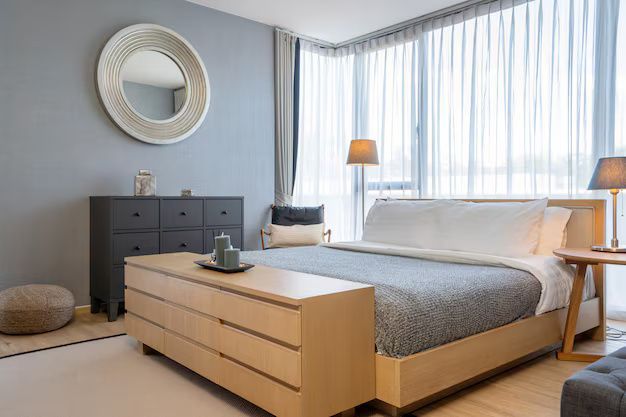
- Storage beds that combine sleeping areas with integrated drawers
This approach supports flexible room arrangements without altering structural layouts.
Sustainability and Material Efficiency
Another trend involves the use of durable and recyclable materials. Manufacturers and designers are experimenting with engineered wood, recycled metal frames, and modular components that can be replaced individually rather than discarding an entire furniture unit.
Such approaches align with broader efforts to reduce material waste in interior furnishings.
Technology Integration
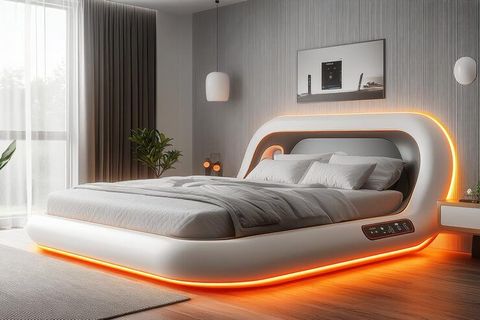
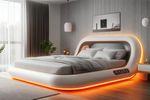
In some designs, technology is incorporated into furniture systems. Examples include built-in charging ports, concealed lighting, and adjustable mechanisms controlled by simple switches.
While not present in all designs, these features reflect the gradual blending of furniture design and household technology.
Common Types of Convertible Furniture
The following table outlines several widely recognized types of convertible space saving furniture and their typical functions.
| Furniture Type | Primary Function | Secondary Function |
|---|---|---|
| Wall Bed (Murphy Bed) | Sleeping area | Wall cabinet or shelving |
| Sofa Bed | Seating | Sleeping surface |
| Expandable Dining Table | Dining table | Compact console or smaller table |
| Foldable Desk | Workspace | Wall panel or storage unit |
| Storage Ottoman | Seating | Storage compartment |
| Convertible Coffee Table | Living room table | Raised desk or dining surface |
These examples demonstrate how a single furniture piece can serve multiple purposes within the same living area.
Laws or Policies
Convertible space saving furniture is influenced by several types of regulations related to furniture safety, material standards, and housing guidelines. These regulations vary depending on the country where furniture is manufactured or distributed.
In many regions, furniture products must comply with safety standards that address stability, load capacity, and material safety. These guidelines aim to reduce the risk of accidents such as tipping, structural failure, or unsafe materials.
In India, furniture and home products may be influenced by standards issued by the Bureau of Indian Standards. These standards provide general guidance for product safety, durability testing, and materials used in household furniture.
Another relevant framework is the National Building Code of India, which outlines general guidelines for building design and interior planning. Although the code does not specifically regulate convertible furniture, it establishes standards related to safe residential spaces and room dimensions.
In international markets, furniture may also follow product safety standards established by organizations such as International Organization for Standardization. These standards can address material testing, environmental considerations, and product durability.
Understanding these regulatory frameworks helps ensure that furniture designs meet safety and quality expectations across different regions.
Tools and Resources
Various digital tools and informational resources help individuals plan and evaluate furniture layouts for small living spaces. These resources can assist in visualizing how convertible space saving furniture fits into different room configurations.
Interior Planning Tools
Digital room planners allow users to experiment with different furniture layouts before arranging physical spaces. Examples include:
- IKEA Planner – a room layout tool that allows users to arrange furniture in simulated room environments.
- SketchUp – a 3D modeling platform often used for interior design planning.
- Planner 5D – a digital interior layout tool for visualizing furniture arrangements.
These tools help users understand how convertible furniture can transform a space without overcrowding it.
Measurement and Layout Templates
Room measurement templates can also assist with planning furniture placement. These templates typically include grid-based floor plans where each square represents a specific measurement of floor area.
Common planning steps include:
- measuring room dimensions
- identifying movement pathways
- locating windows and doors
- placing multifunctional furniture in flexible positions
Educational Resources
Interior design publications and architecture platforms provide guides explaining how smart furniture designs support compact living environments. These resources often include case studies of apartments that successfully use convertible furniture to optimize limited floor space.
Such information helps readers understand practical approaches to space planning without requiring professional design knowledge.
FAQs
What is convertible space saving furniture?
Convertible space saving furniture refers to furniture designed to perform more than one function or transform into different forms. Examples include sofa beds, foldable desks, and expandable tables that adapt to different activities within the same room.
How does space saving furniture help small apartments?
Space saving furniture helps small apartments by combining multiple functions in a single piece. This approach reduces the need for separate items and allows rooms to transition between different uses such as sleeping, working, or dining.
What are common examples of smart convertible furniture designs?
Common designs include wall beds, modular sofas, foldable desks, expandable dining tables, and storage-integrated seating. These designs allow furniture to adapt to changing household activities throughout the day.
Is convertible furniture durable for everyday use?
Many modern designs are created using durable materials and reinforced mechanisms that support repeated transformation. Durability often depends on construction quality, materials used, and how frequently the transformation mechanisms are operated.
How do people plan layouts using convertible space saving furniture?
People often begin by measuring the available room space and identifying the main activities that occur in the room. Planning tools and digital room layout platforms can help visualize how furniture changes shape or function within the same area.
Conclusion
Convertible space saving furniture reflects changing housing patterns and the growing need for adaptable living environments. By combining multiple functions into a single design, these furniture systems help people manage limited floor space more efficiently.
Modern smart furniture designs incorporate modular structures, mechanical transformation systems, and integrated storage features. These developments allow living spaces to support different activities without requiring additional rooms.
As urban living continues to evolve, convertible furniture remains an important approach to organizing compact interiors while maintaining functionality and flexibility.